Sourcing cotton flocking fibres from China
Cotton flocking fibres from China pay 2% UK duty; the wider heading ranges from 2% to 4% before specific suspensions. Cotton does not qualify for the synthetic-fibre suspension. Dust exposure must still be controlled where no workplace exposure limit applies. Cambridge China Bridge sources cotton flocking fibres.
Buying from China for a business? How our UK China sourcing agent service works · China sourcing agent for small orders and first imports
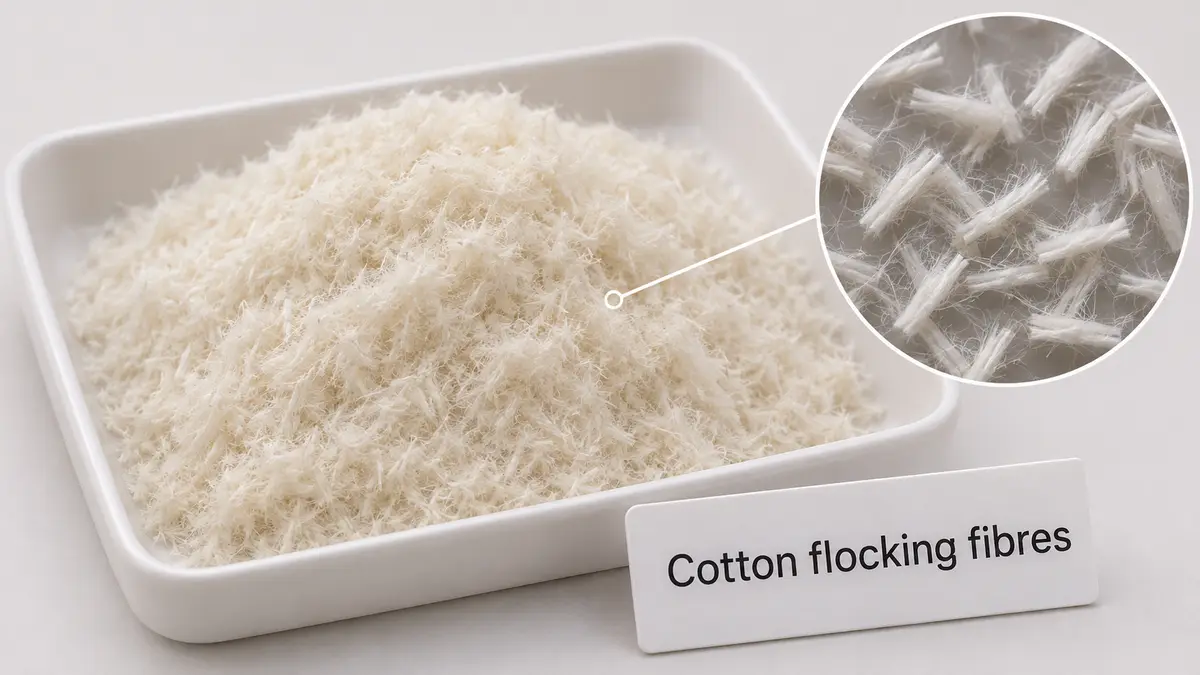
Cotton flock: 2% duty
Heading 5601 covers textile wadding and its articles, textile fibres not exceeding 5 mm in length, textile dust and mill neps. Cotton flock belongs in the other textile flock line, 5601 30 00 90. The table shows cotton buying variants under this same commodity code.
Read from the UK Trade Tariff on 5 October 2026, cotton flock from China carried 2% duty. The supplied tariff record lists no anti-dumping or countervailing duty and no attached import controls for this line. Its autonomous suspension at 0.00 % applies only to the specified synthetic copolymer fibres, not cotton.
Confirm the material, fibre length and supplied form using finding your commodity code. For the wider heading context, see nylon flocking fibres. Keep loose cotton flock separate from cotton wadding when preparing the classification brief.
| Goods | Commodity code | Duty | Anti-dumping or countervailing duty on China |
|---|---|---|---|
| Undyed cotton flocking fibres | 5601 30 00 90 | 2% | None |
Specify cotton content, length and application
State whether the flock is ground or cut, undyed, bleached or dyed. Agree cotton composition, fibre-length distribution, acceptable fines, moisture condition, shade and foreign-matter limits with the factory. For electrostatic application, specify the treatment and prove performance on your own equipment rather than accepting a general suitability claim.
Approve a retained sample and a flocked panel made with your substrate, adhesive and curing process. Compare coverage, feel, loose-fibre shedding and colour transfer. Ask the factory to identify dyes and surface treatments. Government textile guidance requires fibre-content labelling; agree how composition will be declared for the intended sale.
Worked duty example
Illustrative example, not a quote: Illustrative order: 2 tonnes of undyed cotton flock; FOB and freight values are illustrative. under 5601 30 00 90, invoiced at £2,200 free on board, with £648 of freight and insurance to the UK. The customs value is £2,848. Duty at 2% is £56.96. Import VAT at 20% is charged on the customs value plus duty, £2,904.96, so it is £580.99. Import taxes total £637.95; a VAT-registered importer can usually reclaim the VAT, so the lasting cost is the £56.96 of duty. The import duty and VAT guide explains each step.
Inspection checklist
Fibre: compare samples from different bags with the approved sample; check length distribution, fines, cotton composition and seed, husk or other contamination.
Application: make a trial panel using the agreed adhesive and process; check coverage, clumping, shedding and dry and wet colour transfer.
Packing: check net weight, sealed inner bags, batch identification and evidence of dampness or contamination; keep receiving samples traceable to each lot.
Dust: review handling before opening bags. Official guidance says dust exposure should still be adequately controlled where no workplace exposure limit applies. It also identifies a higher explosion risk from ground cotton flock than precision-cut flock.
Working out your own order? Send us the product on WhatsApp and we reply the same working day: WhatsApp us
What goes wrong
A shade sample can look right while the production lot contains excess fines, longer fibres or mixed material. Damp flock clumps, inconsistent treatment disrupts application, and loose fibres shed from a panel that initially looks acceptable. Compare production samples and trial panels before releasing the shipment.
Do not accept ground flock as a replacement for cut flock without another application trial and a review of dust handling. Agree rejection criteria and retain samples from accepted lots. Use the quality inspection guide to organise the checks.
Cambridge China Bridge sources these products for UK businesses, checking the factory and the documents before shipment. See factory verification. For repeat volumes, see container programmes.
Frequently asked questions
What is the UK import duty on cotton flock from China?
Cotton flock under 5601 30 00 90 carries 2% duty in the supplied tariff record. The listed synthetic-fibre suspension does not cover cotton.
Can cotton flock use the suspended duty rate?
No. The suspension under this code is restricted to specified synthetic copolymer fibres. Cotton flock remains at 2%.
What should I specify when buying cotton flock?
Agree composition, ground or cut form, length distribution, fines, shade, moisture condition and treatments. Approve a trial on your actual substrate and adhesive.
Is ground cotton flock interchangeable with cut flock?
Do not assume so. Compare application and shedding in a trial. Official guidance also identifies a higher explosion risk from ground cotton flock.