Sourcing cotton cosmetic pads from China
Dry cotton cosmetic pads classified as cotton wadding articles carry 2% UK duty from China, whether absorbent or otherwise. Consumer cotton wool must meet general product safety rules in Great Britain. Specify absorbency, lint shedding and wet strength before ordering. Cambridge China Bridge sources cotton cosmetic pads.
Buying from China for a business? How our UK China sourcing agent service works · Private Label Cosmetics and Skincare from China
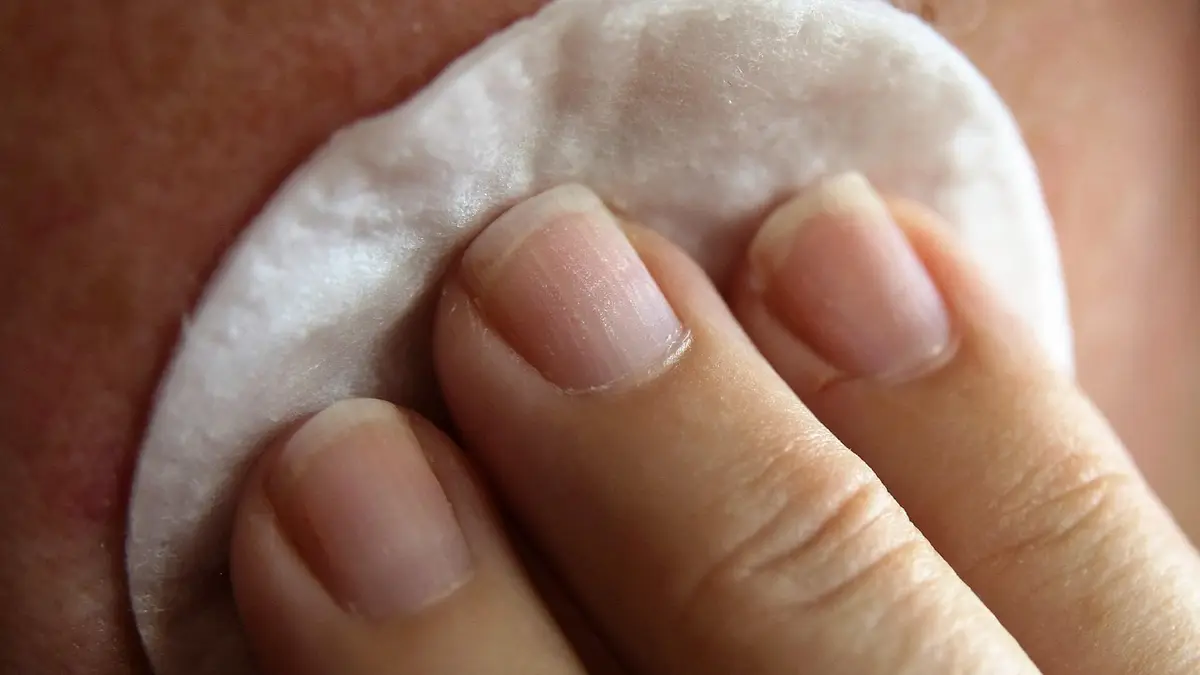
Cotton cosmetic pads: 2% duty
Heading 5601 covers textile wadding and articles thereof, alongside flock, textile dust and mill neps. This guide concerns dry cotton cosmetic pads made from wadding. Absorbent cotton falls under 5601 21 10 00; other cotton wadding articles fall under 5601 21 90 00. The table shows different absorbent pad formats sharing the same code.
Read from the UK Trade Tariff on 9 November 2026, both cotton lines carried 2% duty for goods from China. The supplied tariff record lists no anti-dumping or countervailing duty, suspension or attached import control for either cotton line. The flock suspensions elsewhere in this heading do not cover these cotton pads.
Confirm the material, construction and intended use before choosing the commodity code. Do not assume a reusable woven pad or an impregnated product belongs in the same line. See the wadding, cotton wool and flock guide for the wider heading.
| Goods | Commodity code | Duty | Anti-dumping or countervailing duty on China |
|---|---|---|---|
| Dry absorbent cotton cosmetic rounds | 5601 21 10 00 | 2% | None |
Specify absorbency, lint and wet strength
State that the order is for dry cotton wadding pads. Agree fibre composition, shape, dimensions, pad weight, surface texture, edge bonding and pads per pack. Keep an approved sample showing the acceptable softness and finish. Ask the factory to identify any binder, fragrance or other treatment.
Agree a repeatable absorbency comparison using the same liquid and method. Check how much lint the pad leaves on a smooth dark surface and whether it splits when wet with the intended cleanser. Specify clean, dry packing and protection against moisture during shipment.
Consumer cotton wool must be safe under the General Product Safety Regulations 2005 in Great Britain. Official guidance requires traceability through the producer's name and address and a product reference or applicable batch identification on the product or packaging, where reasonable. Agree the artwork and batch identification before production.
Worked duty example
Illustrative example, not a quote: Illustrative order: 2,200 retail packs of dry absorbent cotton cosmetic rounds under 5601 21 10 00, invoiced at £3,000 free on board, with £648 of freight and insurance to the UK. The customs value is £3,648. Duty at 2% is £72.96. Import VAT at 20% is charged on the customs value plus duty, £3,720.96, so it is £744.19. Import taxes total £817.15; a VAT-registered importer can usually reclaim the VAT, so the lasting cost is the £72.96 of duty. The import duty and VAT guide explains each step.
Inspection checklist
Construction: compare shape, dimensions, weight, embossing and edge bonding with the approved sample; look for thin patches and layers that separate.
Performance: compare absorbency, lint shedding and wet strength using the agreed method and intended cleanser.
Cleanliness: inspect for seeds, dark specks, loose fibres, unusual odour, dampness and contamination inside sealed packs.
Packing: count pads in sampled packs, check seals and carton condition, and match product references, batch identification and producer details to the agreed artwork.
Working out your own order? Send us the product on WhatsApp and we reply the same working day: WhatsApp us
What goes wrong
Pads can look like the sample but contain less cotton, shed fibres or fall apart when wet. Over-compressed packs can hide uneven thickness, while weak seals allow moisture and dirt into the product. Compare samples from different cartons rather than relying on a factory-selected pack.
If cotton wool is to be sold for wound care, confirm its regulatory status and applicable requirements with MHRA before adding wound-care claims to a cosmetic pad order. Keep the intended use clear. Record defects against the agreed specification and retain samples from affected batches. Use the quality inspection guide to brief the inspector.
Cambridge China Bridge sources these products for UK businesses, checking the factory and the documents before shipment. See factory verification. For repeat volumes, see container programmes.
Frequently asked questions
What is the UK import duty on cotton cosmetic pads from China?
The supplied tariff record gives 2% for absorbent cotton under 5601 21 10 00 and other cotton under 5601 21 90 00, with no listed trade remedy on either line.
Which code covers dry absorbent cotton rounds?
5601 21 10 00 is the relevant cotton wadding line for dry absorbent cotton rounds made from wadding. Confirm construction and intended use before declaring.
How do I check whether cotton pads shed lint?
Use the agreed rubbing method on a smooth dark surface, then repeat with the intended cleanser. Compare loose fibres and wet integrity with the approved sample.
Can I sell cosmetic cotton pads for wound care?
If cotton wool is to be sold for wound care, confirm its regulatory status and applicable requirements with MHRA. Confirm the intended use before changing the claims or packaging.