Sourcing copper-coated fabric from China
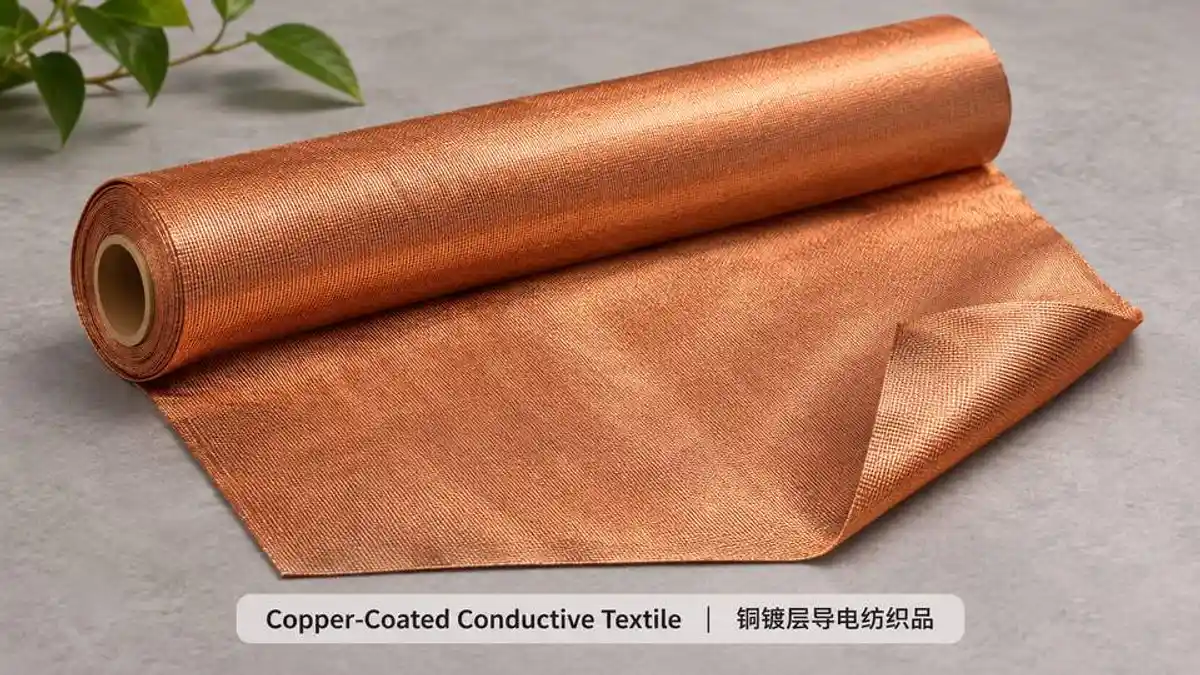
Copper-coated conductive textile fabric from China pays 4% UK duty when classified under 5907 00 00 90, with no listed trade remedy. UK REACH generally covers chemical substances in articles. Confirm the coating construction and test conductivity after flexing. Cambridge China Bridge sources copper-coated conductive textile fabric.
Buying from China for a business? How our UK China sourcing agent service works · China sourcing agent for small orders and first imports
Duty on copper-coated conductive fabric
Read from the UK Trade Tariff on 1 October 2026, heading 5907 covers textile fabrics otherwise impregnated, coated or covered, and painted scenery canvas. Copper-coated conductive textile fabric entered under the other coated fabrics line, 5907 00 00 90, carries 4% duty for goods from China. The supplied tariff data lists no anti-dumping or countervailing duty, suspension or attached import control for that line.
The separate embedded-sphere fabric line has a tariff suspension. It is not a general concession for conductive fabric. The table shows buying variants using the same other coated fabrics code, subject to checking their actual construction. For the wider heading context, see the silver-coated conductive fabric guide.
Give your customs broker the base fibre, fabric construction, coating composition, any backing or adhesive, and a sample. Plastics-coated and rubberised fabrics have separate headings, so confirm the commodity code before ordering rather than relying on the supplier's description of conductive fabric.
| Goods | Commodity code | Duty | Anti-dumping or countervailing duty on China |
|---|---|---|---|
| Copper-coated woven conductive fabric in rolls | 5907 00 00 90 | 4% | None |
Specify the copper layer and electrical performance
Specify the base fibre, weave or knit, usable width, mass, stretch direction and whether the copper coating covers either face or both. Identify any nickel underlayer, protective finish, adhesive or backing. Agree coating adhesion, surface resistance and resistance after flexing, abrasion and the intended cleaning process.
For shielding applications, specify the frequency range, test method, sample mounting and acceptance criteria. Ask for results on the exact construction being purchased. A low surface resistance reading alone does not establish shielding performance in your finished assembly.
In Great Britain, UK REACH generally applies to chemical substances in articles. Ask for a composition and chemical compliance statement covering the coating and finishes. For textile products within the labelling rules, the label must show fibre content. Agree the applicable labelling before production and arrange testing and certification support where needed.
Worked duty example
Illustrative example, not a quote: Illustrative small-business order of copper-coated woven conductive fabric rolls under 5907 00 00 90, invoiced at £14,000 free on board, with £1,200 of freight and insurance to the UK. The customs value is £15,200. Duty at 4% is £608. Import VAT at 20% is charged on the customs value plus duty, £15,808, so it is £3,161.60. Import taxes total £3,769.60; a VAT-registered importer can usually reclaim the VAT, so the lasting cost is the £608 of duty. The import duty and VAT guide explains each step.
Inspection checklist
Resistance: measure samples across the usable width and along the rolls using the agreed electrode arrangement, contact pressure and conditioning; compare results before and after flexing.
Coating: check for bare patches, loose copper, flaking, creases and uneven coverage; repeat the agreed adhesion and abrasion checks on bulk samples.
Construction: verify base fibre, width, mass, stretch and backing against the approved sample; check that shielding reports identify the supplied construction.
Packing and identification: check roll lengths, batch references and agreed fibre information; inspect moisture protection and retain a labelled sample from each batch.
Working out your own order? Send us the product on WhatsApp and we reply the same working day: WhatsApp us
What goes wrong
A sample can conduct well while bulk rolls contain poorly coated areas. Copper oxidation, coating loss during rubbing and cracking during repeated bending can change resistance. Stretching can disrupt the conductive path, while an added protective finish can interfere with electrical contact.
Agree acceptance tests before production and compare bulk samples with the approved fabric after the intended handling and cleaning. Check seams, overlaps and contact points in the finished assembly. Keep rolls protected from moisture and abrasion, and investigate discoloured or electrically inconsistent areas before cutting.
Cambridge China Bridge sources these products for UK businesses, checking the factory and the documents before shipment. See factory verification. For own-brand ranges, see sourcing for brands.
Frequently asked questions
What is the UK import duty on copper-coated conductive fabric from China?
The supplied tariff data shows 4% under 5907 00 00 90, with no listed anti-dumping or countervailing duty, suspension or attached import control. Confirm that the actual fabric belongs in this line.
Does low resistance prove the fabric provides electromagnetic shielding?
Surface resistance alone is insufficient. Ask for shielding results covering the intended frequency range, fabric construction and mounting, then test the finished assembly.
What should I specify for copper-coated conductive fabric?
Specify base fibre, construction, width, mass, coating layers, backing and stretch. Agree resistance, adhesion and performance after flexing, abrasion and intended cleaning.
How do I check copper-coated fabric when it arrives?
Inspect for oxidation, bare patches and flaking. Measure resistance across and along the rolls, repeat agreed flexing checks, and compare construction and batch details with the approved sample.