Sourcing ceramic feedthroughs from China
Ceramic feedthrough insulators from China carry 0% UK duty under 8546 20 00 00. Confirm classification for the actual supplied item, especially when conductors or metal fittings are included. Specify ceramic material, fit and electrical test conditions. Cambridge China Bridge sources ceramic feedthrough insulators.
Buying from China for a business? How our UK China sourcing agent service works · China sourcing agent for small orders and first imports
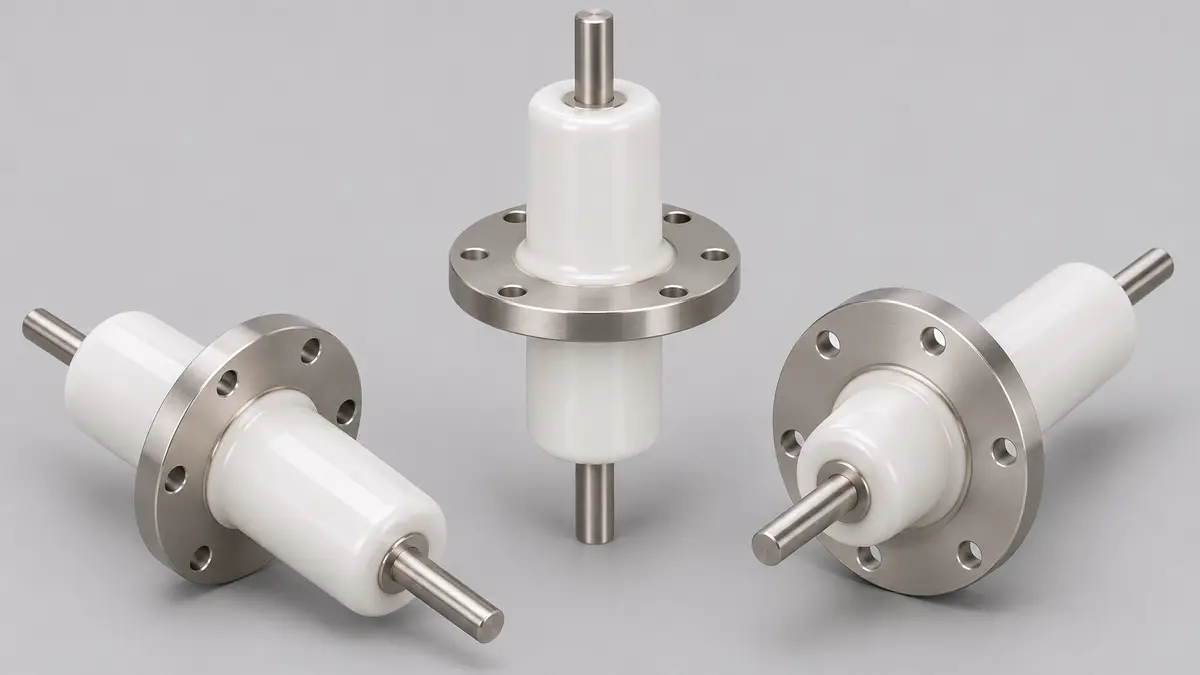
Ceramic feedthrough insulators: 0% duty
Heading 8546 covers electrical insulators of any material. Bare ceramic feedthrough insulators belong within its ceramic line, 8546 20 00 00. The table shows different shapes sharing that line, rather than separate tariff subdivisions. For related ceramic insulation within the wider heading, see our ceramic bead insulators guide.
Read from the UK Trade Tariff on 1 October 2026, the ceramic line carried 0% duty for goods from China. The supplied tariff record lists no anti-dumping or countervailing duty, suspensions or attached import controls for this line.
Confirm the commodity code using the drawing, material and condition as imported. Insulating fittings for electrical machines, such as bushings with moulded-in metal parts, are classified separately under heading 8547. Have the broker assess assembled feedthroughs with conductors, seals or mounting hardware rather than assuming the bare ceramic code applies.
| Goods | Commodity code | Duty | Anti-dumping or countervailing duty on China |
|---|---|---|---|
| Cylindrical ceramic feedthrough insulators, without conductors | 8546 20 00 00 | 0% | None |
Specify the ceramic and sealing interface
State whether the order is for a bare ceramic insulator or a sealed feedthrough assembly. Specify the ceramic composition, bore geometry, wall thickness, mounting shoulder, surface finish and dimensional tolerances. Supply a drawing showing how the conductor passes through the ceramic and how the ceramic seats in the enclosure.
Agree working voltage, temperature range, insulation resistance and dielectric test conditions for the intended assembly. For vacuum or pressure service, specify the sealing method and leak acceptance criterion. If the ceramic will be metallised or brazed, identify the treated surfaces and keep the insulating surfaces clear.
Official guidance says separately marketed components can constitute fully manufactured products in their own right. Do not assume component status settles the compliance route. Ask for an assessment of the supplied item and its intended use through testing and certification.
Worked duty example
Illustrative example, not a quote: Illustrative order of 600 bare ceramic feedthrough insulators under 8546 20 00 00, invoiced at £12,000 free on board, with £600 of freight and insurance to the UK. The customs value is £12,600. Duty at 0% is £0. Import VAT at 20% is charged on the customs value plus duty, £12,600, so it is £2,520. With no duty, the only import tax is the VAT, which a VAT-registered importer can usually reclaim. The import duty and VAT guide explains each step.
Inspection checklist
Dimensions: gauge bores, shoulders and sealing faces against the approved drawing, and trial-fit samples with the intended conductor and enclosure.
Ceramic condition: inspect for cracks, chipped bore edges, distortion and surface contamination. Check that packing prevents contact between fragile edges.
Electrical performance: match insulation resistance and dielectric test records to the shipped design and agreed conditions. Check whether testing covers the bare ceramic or the completed assembly.
Sealing interface: check metallisation coverage and sealing-face finish where specified. For sealed assemblies, review leak-test results and inspect joints for cracks after the agreed thermal cycling.
Working out your own order? Send us the product on WhatsApp and we reply the same working day: WhatsApp us
What goes wrong
A ceramic part can match the overall dimensions yet fail to fit because its bore is distorted or its shoulder sits unevenly. Chips at the bore entrance can concentrate stress during assembly. Contamination or metallisation extending onto the insulating surface can undermine electrical performance.
A sound ceramic body does not establish that the completed feedthrough is leak-tight. Seal geometry, joint preparation and differential thermal expansion can cause leaks or cracking. Approve the actual assembly process and require test records that identify the shipped design, rather than accepting results for a different ceramic shape.
Cambridge China Bridge sources these products for UK businesses, checking the factory and the documents before shipment. See factory verification. For components and parts, see sourcing for manufacturers.
Frequently asked questions
What is the UK import duty on ceramic feedthrough insulators from China?
The supplied tariff record gives 0% duty under 8546 20 00 00, with no anti-dumping or countervailing duty. Confirm classification if the item includes conductors or metal fittings.
Does a ceramic feedthrough assembly use the same commodity code?
Do not assume so. Give the broker the complete drawing and material list. Bare ceramic insulation and an assembly containing conductors, seals or metal fittings need separate classification checks.
What should I put on the ceramic feedthrough drawing?
Specify ceramic composition, bore and shoulder geometry, tolerances, sealing faces and surface finish. Identify any metallised areas and agree electrical and leak-test conditions where relevant.
Is a bare ceramic insulator enough to prove a feedthrough is vacuum-tight?
No. The seal and assembly process also matter. Ask for leak-test results for the completed assembly, with the test conditions and acceptance criterion agreed before manufacture.