Sourcing ceramic bead insulators from China
Ceramic bead electrical insulators from China carry 0% UK duty, with no anti-dumping or countervailing duty listed. The finished equipment must comply with applicable legislation before sale in Great Britain. Specify ceramic grade, bore dimensions and operating conditions. Cambridge China Bridge sources ceramic bead insulators.
Buying from China for a business? How our UK China sourcing agent service works · China sourcing agent for small orders and first imports
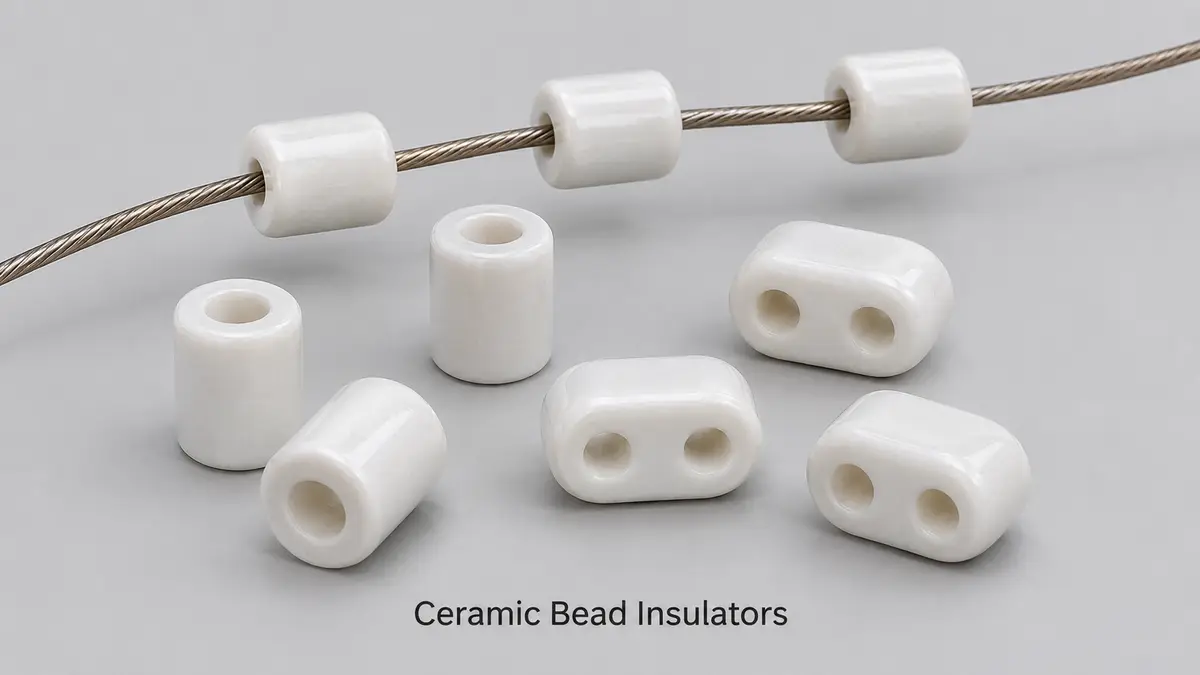
Ceramic bead insulators: 0% duty
Heading 8546 covers electrical insulators of any material. Ceramic beads used as electrical insulators fall within the ceramic line, 8546 20 00 00, subject to confirmation of their function and design. The table shows bead applications sharing this commodity line. See the electrical insulators guide for the wider heading.
Read from the UK Trade Tariff on 1 October 2026, the ceramic line carried 0% duty for goods from China. The supplied tariff facts list no anti-dumping or countervailing duty, suspension or attached import control for this line. Import VAT is normally 20%; see UK import duty and VAT.
Confirm the commodity code using the drawing, ceramic material and intended electrical function. Include the commodity code on the import declaration. Ask your customs broker to review beads supplied within an assembled component rather than as loose insulators.
| Goods | Commodity code | Duty | Anti-dumping or countervailing duty on China |
|---|---|---|---|
| Ceramic bead electrical insulators for straight wire runs | 8546 20 00 00 | 0% | None |
Specify the ceramic, bore and wire path
State the ceramic grade, such as steatite or alumina, and ask the factory to identify its material formulation. Define bore diameter, outside dimensions, length, tolerances, end profile and surface finish. Supply the wire diameter and an assembly drawing showing how adjacent beads meet and move around bends.
Describe operating temperature, heating and cooling cycles, voltage, contamination and mechanical movement. Agree electrical insulation and thermal-cycle tests for the actual bead and assembly. The finished equipment must comply with applicable legislation when placed on the Great Britain market. Agree the compliance route with the equipment manufacturer and use testing and certification support where needed.
Worked duty example
Illustrative example, not a quote: Illustrative order of 10,000 ceramic bead insulators; values are illustrative under 8546 20 00 00, invoiced at £1,500 free on board, with £600 of freight and insurance to the UK. The customs value is £2,100. Duty at 0% is £0. Import VAT at 20% is charged on the customs value plus duty, £2,100, so it is £420. With no duty, the only import tax is the VAT, which a VAT-registered importer can usually reclaim. The import duty and VAT guide explains each step.
Inspection checklist
Bore and fit: gauge sampled bores and thread the specified wire through them. Check that bends and adjoining beads leave the intended coverage without binding.
Edges and surfaces: inspect bore entrances, end faces and contact surfaces for chips, cracks, rough edges and ceramic dust that could damage the wire.
Material and performance: match the batch material record to the agreed grade. Check insulation and thermal-cycle results against the approved drawing and test conditions.
Arrival and traceability: inspect packs for crushed beads and loose fragments. Keep different sizes and grades separated, with batch identification matching the inspection records.
Working out your own order? Send us the product on WhatsApp and we reply the same working day: WhatsApp us
What goes wrong
A bead can match the outside dimensions yet have an undersized, rough or off-centre bore. It may jam during threading or abrade the wire during movement. Poorly matched end profiles can expose wire at bends. Trial the supplied beads on the intended wire path before approving the bulk order.
A visually similar ceramic grade may behave differently during heating and cooling. Cracks, chips and mixed sizes can also appear after transport. Keep an approved sample, agree material-change approval with the factory and compare arrival samples with the pre-shipment inspection records.
Cambridge China Bridge sources these products for UK businesses, checking the factory and the documents before shipment. See factory verification. For components and parts, see sourcing for manufacturers.
Frequently asked questions
What is the UK import duty on ceramic bead insulators from China?
The ceramic electrical-insulator line, 8546 20 00 00, carried 0% duty on the supplied tariff read date. No anti-dumping or countervailing duty was listed.
Do ceramic bead insulators need CE or UKCA marking?
Agree the marking assessment for the exact supply with the equipment manufacturer.
What dimensions should I send a Chinese factory?
Send bore diameter, outside dimensions, length, tolerances, end profile, wire diameter and the assembly drawing. Include the ceramic grade and operating conditions.
How do I check ceramic beads before shipment?
Gauge bores, trial the actual wire path, inspect for cracks and sharp edges, and review agreed insulation and thermal-cycle results. Match material and batch records to the approved sample.