Sourcing Camera Bags from China
UK duty on the selected camera bag lines from China ranges from 2% to 8%: textile and leather outer surfaces carry 2%, plastic sheeting 8%. Classify the finished design and outer surface, then check padded fit and loaded strap anchors. Cambridge China Bridge sources camera bags.
Buying from China for a business? How our UK China sourcing agent service works · China sourcing agent for small orders and first imports
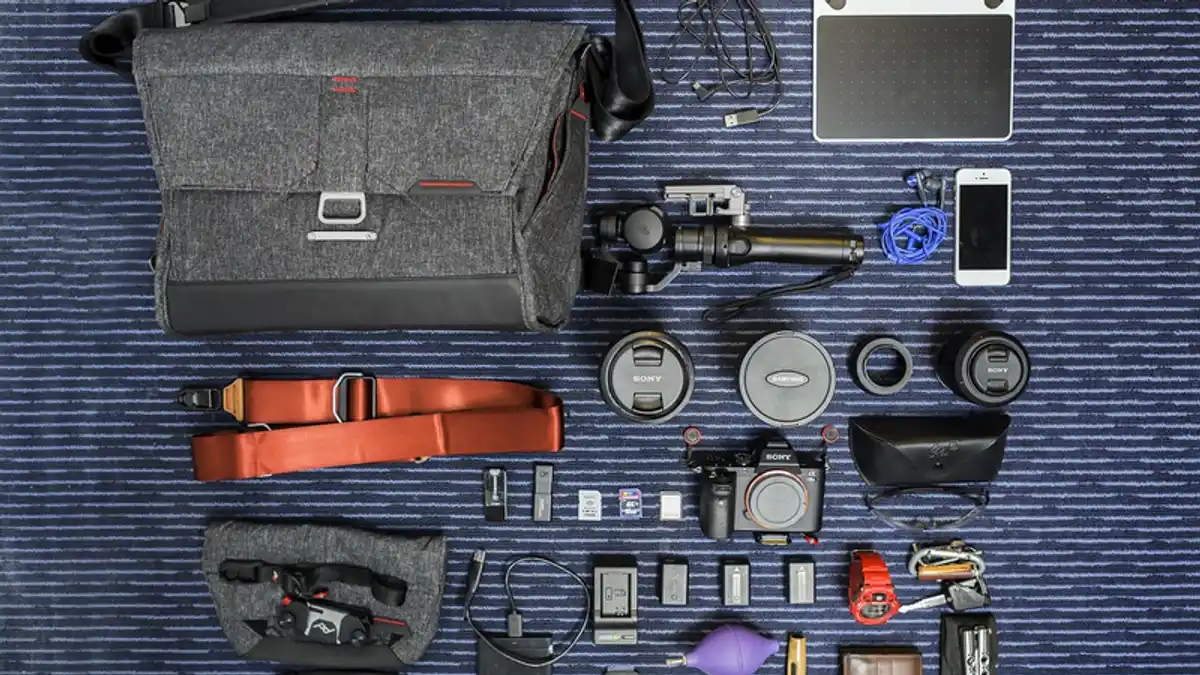
Camera bag duty depends on design and outer surface
Read from the UK Trade Tariff on 28 October 2026, heading 4202 includes camera cases and rucksacks. The selected soft camera bag lines carry 2% duty for textile, leather or composition leather outer surfaces and 8% for plastic sheeting on goods from China. They show no anti-dumping or countervailing duty and no suspensions. Import VAT is 20%. The table gives candidate lines, subject to confirmation from the finished product.
The selected textile and leather lines carry CITES import and export controls; leather lines also carry cat and dog fur and seal product import controls. CITES-listed skins need the applicable permits. Cat and dog fur products cannot be imported. Seal products face a ban with limited exemptions; the traditional indigenous hunt exemption requires a seal catch attestation. For animal-derived trim sourced through China, have your customs broker confirm species, origin, permits and any exemption before ordering.
Send the outer material specification, coating details, photographs and assembled sample to your broker to confirm the commodity code. Distinguish a rucksack from a shoulder bag rather than classifying by its camera use alone. For the wider heading and rigid transport cases, see protective equipment and flight cases.
| Goods | Commodity code | Duty | Anti-dumping or countervailing duty on China |
|---|---|---|---|
| Textile outer surface camera shoulder bags, other than hand-made | 4202 92 98 90 | 2% | None |
| Textile outer surface camera rucksacks, other than hand-made | 4202 92 91 90 | 2% | None |
| Plastic sheeting outer surface camera shoulder bags | 4202 92 19 00 | 8% | None |
| Plastic sheeting outer surface camera rucksacks | 4202 92 11 00 | 8% | None |
| Leather or composition leather camera shoulder bags, other than hand-made | 4202 91 80 90 | 2% | None |
| Leather or composition leather camera rucksacks, other than hand-made | 4202 91 10 90 | 2% | None |
Specify padded fit, access and carrying load
List the camera bodies, attached lenses and spare lenses the bag must hold. Specify usable internal dimensions with padding fitted, divider positions, base padding, lining finish and clearance around lens mounts. Approve the sample with your intended equipment or matching dummy shapes, including access through the actual zip opening.
Specify outer fabric and coating, padding material, divider fastening, strap width, anchor reinforcement, buckles and rain cover storage. Agree the carrying load and test method in writing. Test rain protection on the assembled bag with absorbent material inside; fabric that sheds water does not establish protection at seams and zips.
Consumer camera bags sold in Great Britain must be safe under the General Product Safety Regulations 2005. Where reasonable, the product or packaging must identify the producer by name and address and carry a product or batch reference. Retain the approved sample and load-test records; agree material-specific checks through testing and certification.
Worked duty example
Illustrative example, not a quote: Illustrative order, not a quote: 300 textile camera rucksacks under 4202 92 91 90, invoiced at £3,450 free on board, with £420 of freight and insurance to the UK. The customs value is £3,870. Duty at 2% is £77.40. Import VAT at 20% is charged on the customs value plus duty, £3,947.40, so it is £789.48. Import taxes total £866.88; a VAT-registered importer can usually reclaim the VAT, so the lasting cost is the £77.40 of duty. The import duty and VAT guide explains each step.
Inspection checklist
Fit and padding: check internal space with the intended camera and lenses, divider grip, base cushioning and exposed hard fittings that could contact equipment.
Carrying system: load the assembled bag as agreed, carry it by each intended handle and strap, and inspect anchor stitching, buckles and adjuster slip.
Closures and weather protection: operate loaded zips, check snagging and slider creep, and repeat the agreed rain test with the cover fitted where supplied.
Arrival condition: check for damp cartons, mould, crushed padding, coating transfer and missing dividers or covers. Compare materials and identification labels with the approved sample and order through quality inspection.
Working out your own order? Send us the product on WhatsApp and we reply the same working day: WhatsApp us
What goes wrong
A bag can match the approved exterior while using softer dividers or thinner base padding. Dividers then detach under load, lenses collide and the base bottoms out. Check the assembled internal layout and loaded bag rather than approving a fabric swatch.
Other failure points are strap anchors sewn only into the lining, buckles that slip, zip openings too narrow for an attached lens and rain covers that leave seams exposed. Define acceptance against the retained sample and record failures before accepting bulk goods.
Cambridge China Bridge sources these products for UK businesses, checking the factory and the documents before shipment. See factory verification. For own-brand ranges, see sourcing for brands.
Frequently asked questions
What is the UK import duty on camera bags from China?
The selected lines carry 2% for textile, leather or composition leather outer surfaces and 8% for plastic sheeting. No anti-dumping or countervailing duty or suspension is shown. Import VAT is 20%.
Which commodity code applies to a fabric camera backpack?
4202 92 91 90 is a candidate for a textile camera rucksack other than hand-made. A textile shoulder bag may fit 4202 92 98 90. Ask your broker to confirm the finished design and outer surface.
Does a camera bag need a CITES permit?
The tariff attaches CITES controls to the selected textile and leather lines. Ordinary fabric bags usually need no permit; animal-derived trim needs species checks. Ask your broker to confirm the declaration and applicable permits.
How should I test camera bag padding before ordering?
Fit the intended equipment or matching dummy shapes, secure the dividers and load the bag as agreed. Check movement, contact between compartments, base cushioning and strap anchors against written acceptance criteria.