Sourcing brass hose barb fittings from China
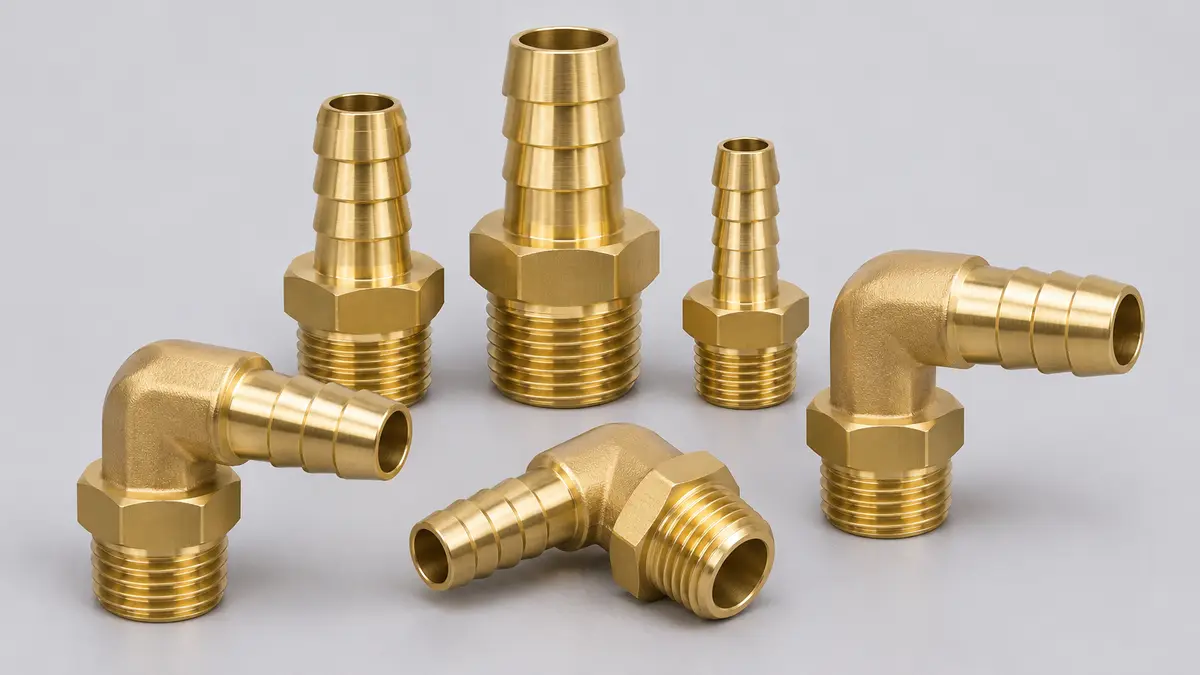
Brass hose barb fittings from China carry 0% UK import duty, with no trade remedy listed in the supplied tariff snapshot. For water installations in England and Wales, confirm applicable quality, standard and suitability requirements with the relevant water supplier or authority. Specify the hose, clamp and working conditions together. Cambridge China Bridge sources brass hose barb fittings.
Buying from China for a business? How our UK China sourcing agent service works · China sourcing agent for small orders and first imports
UK duty on brass hose barb fittings
Heading 7412 covers copper tube or pipe fittings. Brass hose barb connectors, threaded adaptors, elbows and tees fall within the copper-alloy line when classified as pipe fittings. The table shows product forms sharing that line, rather than separate tariff subdivisions. See the wider copper and brass pipe fittings guide.
Read from the UK Trade Tariff on 30 September 2026, the supplied snapshot lists 0% duty for Chinese-origin copper-alloy fittings under 7412 20 00 00. It records no anti-dumping or countervailing duty, suspension or attached import control for this line. Import VAT is normally 20%; see UK import duty and VAT.
Confirm the material and function against the commodity code guide. A fitting incorporating a valve needs a separate classification check: taps and valves belong to heading 8481, as explained in the wider published guide.
| Goods | Commodity code | Duty | Anti-dumping or countervailing duty on China |
|---|---|---|---|
| Brass straight hose barb connectors | 7412 20 00 00 | 0% | None |
Specify the barb, hose and service conditions
Specify the brass alloy, bore, barb crest and root diameters, insertion length, thread form and sealing method. Identify the actual hose material, internal diameter and wall thickness, plus the clamp type and position. State the fluid, working pressure and temperature, and agree an assembly test using the intended hose and clamp.
For water installations in England and Wales, confirm applicable requirements under the Water Fittings Regulations with the relevant water supplier or authority, including quality, standard and suitability for the circumstances of use. Agree the evidence needed for the exact fitting and intended application. Specify a lead limit and dezincification resistance where the water chemistry requires it.
HSE describes pressure-system piping as including fittings and hoses. Its pressure equipment guidance covers equipment and assemblies with maximum allowable pressure above 0.5 bar. For pressure-system use, have the intended assembly assessed against the applicable scope and classification before agreeing compliance evidence.
Worked duty example
Illustrative example, not a quote: Illustrative wholesale stock order of assorted brass hose barb fittings under 7412 20 00 00, invoiced at £52,000 free on board, with £2,600 of freight and insurance to the UK. The customs value is £54,600. Duty at 0% is £0. Import VAT at 20% is charged on the customs value plus duty, £54,600, so it is £10,920. With no duty, the only import tax is the VAT, which a VAT-registered importer can usually reclaim. The import duty and VAT guide explains each step.
Inspection checklist
Material: match batch material reports to the ordered brass alloy; test lead content and dezincification resistance where specified.
Dimensions: measure barb crests, roots, insertion length and bore against the drawing; gauge threads and inspect sealing faces.
Assembly: fit samples to the intended hose and clamp; check insertion, leakage and hose retention against the agreed test procedure.
Finish and packing: check for sharp barb edges, burrs, swarf and damaged threads; separate sizes and retain batch identification. Arrange quality inspection around these checks.
Working out your own order? Send us the product on WhatsApp and we reply the same working day: WhatsApp us
What goes wrong
A hose can slide onto a barb yet fail to stay attached under load. An undersized barb gives poor grip, while an oversized or sharp barb can damage the hose during insertion. A clamp sitting outside the intended clamping area can leave an apparently tight assembly leaking.
Similar-looking threads can have different forms or sealing arrangements. Mixed threads, thin walls and substituted brass alloy can escape a visual check. Approve a drawing and assembled sample, then compare production batches with them rather than accepting catalogue photographs.
Cambridge China Bridge sources these products for UK businesses, checking the factory and the documents before shipment. See factory verification. For repeat volumes, see container programmes.
Frequently asked questions
What is the UK import duty on brass hose barb fittings from China?
The supplied tariff snapshot lists 0% under 7412 20 00 00, with no anti-dumping or countervailing duty, suspension or attached import control.
How do I choose the right brass hose barb size?
Match the barb drawing to the actual hose internal diameter, material and wall thickness. Test the fitting with the intended clamp; nominal hose size alone does not establish a secure joint.
Can brass hose barb fittings be used for drinking water?
Agree application-specific evidence, alloy and lead checks before ordering.
Should I pressure-test the fitting or the complete hose assembly?
Agree testing for the fitting and the assembled hose connection. A sound brass body does not establish hose retention or sealing with your chosen hose and clamp.