Sourcing botanical specimens from China
Botanical herbarium specimens qualifying under heading 9705 carry 0% UK duty from China across the relevant lines. Confirm with APHA which CITES documents are needed for the listed plant material, and importers must check whether phytosanitary certification is required. Cambridge China Bridge sources botanical herbarium specimens.
Buying from China for a business? How our UK China sourcing agent service works · China sourcing agent for small orders and first imports
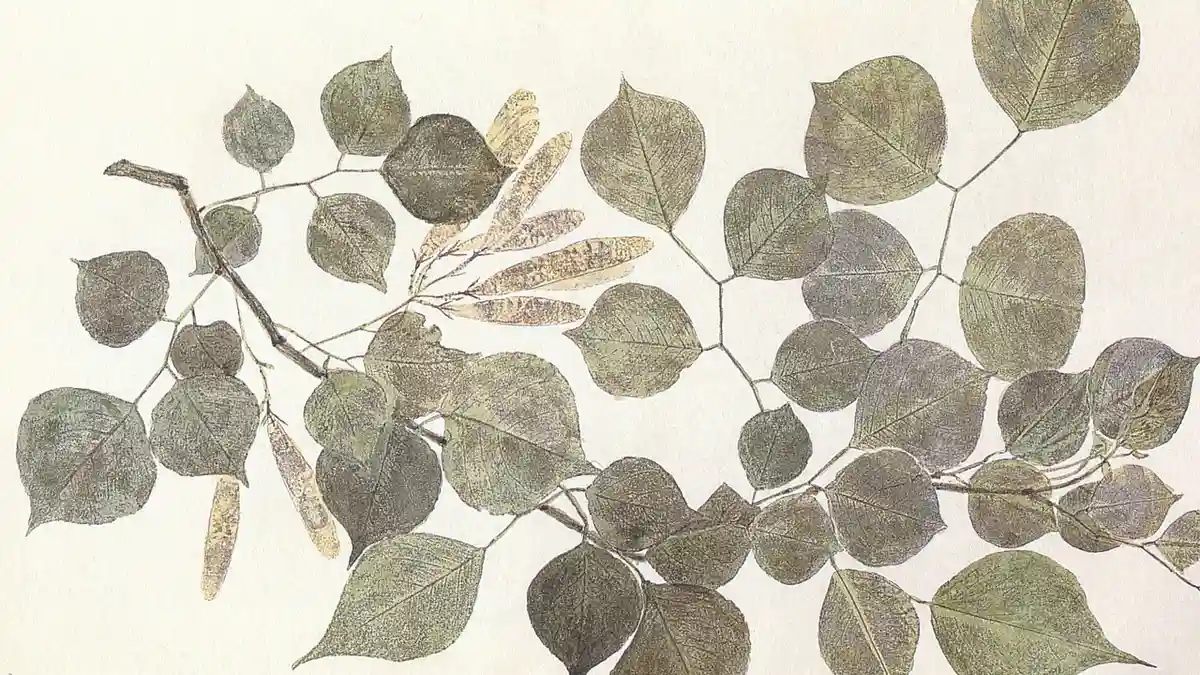
Duty and controls for herbarium specimens
Read from the UK Trade Tariff on 29 September 2026, heading 9705 covers collections and collectors’ pieces of botanical interest alongside other collections. The botanical routes shown here carry 0% duty from China, with no anti-dumping or countervailing duty and no listed tariff suspension. Confirm the specimen’s identity, age and collection context through finding your commodity code.
Confirm with APHA which CITES documents are needed for the listed plant material. The definition of a specimen includes dead plants and their parts, so drying alone does not remove this question. Check restrictions for the species and country of origin before ordering. Annex A specimens can only be imported in exceptional circumstances. Importers must also check whether the plant material requires phytosanitary certification for entry into Great Britain.
The supplied tariff lines also attach seal-product and waste import controls. Ask your customs broker to confirm their requirements for the declared goods. If material is waste subject to notification controls, shipment to England can begin only after the relevant authorities consent. The tariff also lists export controls; confirm these separately before any onward export. For the wider heading, see insect specimen collections.
| Goods | Commodity code | Duty | Anti-dumping or countervailing duty on China |
|---|---|---|---|
| Botanical collectors’ specimens, not more than 200 years old | 9705 29 00 99 | 0% | None |
| Objects of botanical interest, more than 200 years old | 9705 29 00 18 | 0% | None |
| Extinct or endangered botanical specimens, not more than 200 years old | 9705 22 00 80 | 0% | None |
| Extinct or endangered botanical specimens, more than 200 years old | 9705 22 00 14 | 0% | None |
Specify the specimen and its collection record
Agree the scientific name, plant parts included, collection locality, collector, collection date and specimen identifier. Request photographs of the actual sheets, including labels and diagnostic flowers, fruits or leaves. Ask the supplier to identify wild-collected and cultivated material separately and describe any preservative or pest treatment.
Specify sheet dimensions, mounting paper, adhesive or retaining strips, fragment envelopes and label placement. Agree whether specimens are supplied loose or mounted, and whether roots and loose seeds are included. Before buying protected species for resale, ask APHA to confirm the proposed import and commercial use.
Worked duty example
Illustrative example, not a quote: Illustrative order: 200 mounted botanical herbarium sheets under 9705 29 00 99, invoiced at £6,000 free on board, with £1,000 of freight and insurance to the UK. The customs value is £7,000. Duty at 0% is £0. Import VAT at 20% is charged on the customs value plus duty, £7,000, so it is £1,400. With no duty, the only import tax is the VAT, which a VAT-registered importer can usually reclaim. The import duty and VAT guide explains each step.
Inspection checklist
Identity: compare each specimen and label with the agreed species list and photographs; flag substitutions and missing diagnostic parts.
Records: match specimen identifiers to collection records, the packing list and any CITES documents supplied.
Condition: check for mould, dampness, insect damage, loose fragments and mounting that obscures identifying features.
Packing: check flat rigid protection, restrained sheets and separate fragment envelopes; photograph damage before unpacking further.
Working out your own order? Send us the product on WhatsApp and we reply the same working day: WhatsApp us
What goes wrong
A sheet can look presentable but be unsuitable for identification because flowers are missing, leaves are folded over or adhesive covers important features. Labels may be copied between specimens or omit the collection locality. Compare the actual shipment with the approved specimen list, rather than accepting a representative catalogue image.
Damp packing encourages mould, while unsupported stacks crush brittle stems and scatter fragments between sheets. Separate suspect material from usable stock and record the affected identifiers. Resolve species and import-document questions before dispatch; use a written quality inspection brief to agree what the inspector should check.
Cambridge China Bridge sources these products for UK businesses, checking the factory and the documents before shipment. See factory verification. For own-brand ranges, see sourcing for brands.
Frequently asked questions
What is the UK import duty on herbarium specimens from China?
The relevant botanical collectors’ lines in heading 9705 carry 0% duty from China in the supplied tariff reading, with no anti-dumping or countervailing duty.
Do dried plant specimens need CITES documents?
Dead plants and plant parts are specimens too. Confirm the species and proposed transaction with APHA before ordering.
Do herbarium specimens need a phytosanitary certificate?
Importers must check whether their plant material requires phytosanitary certification for entry into Great Britain. Ask APHA about the species, plant parts and preparation method.
What should I ask the Chinese supplier to put on each label?
Agree the scientific name, collection locality, collector, collection date and specimen identifier. Match these details to the supplied collection records and actual specimen.