Sourcing pavement joint sealants from China
Bituminous pavement joint sealants from China carry 0% UK duty under heading 2715. The tariff attaches waste controls, so confirm waste status before shipment. Arrange competent chemical classification and labelling for sale in Great Britain. Cambridge China Bridge sources bituminous pavement joint sealants.
Buying from China for a business? How our UK China sourcing agent service works · China sourcing agent for small orders and first imports
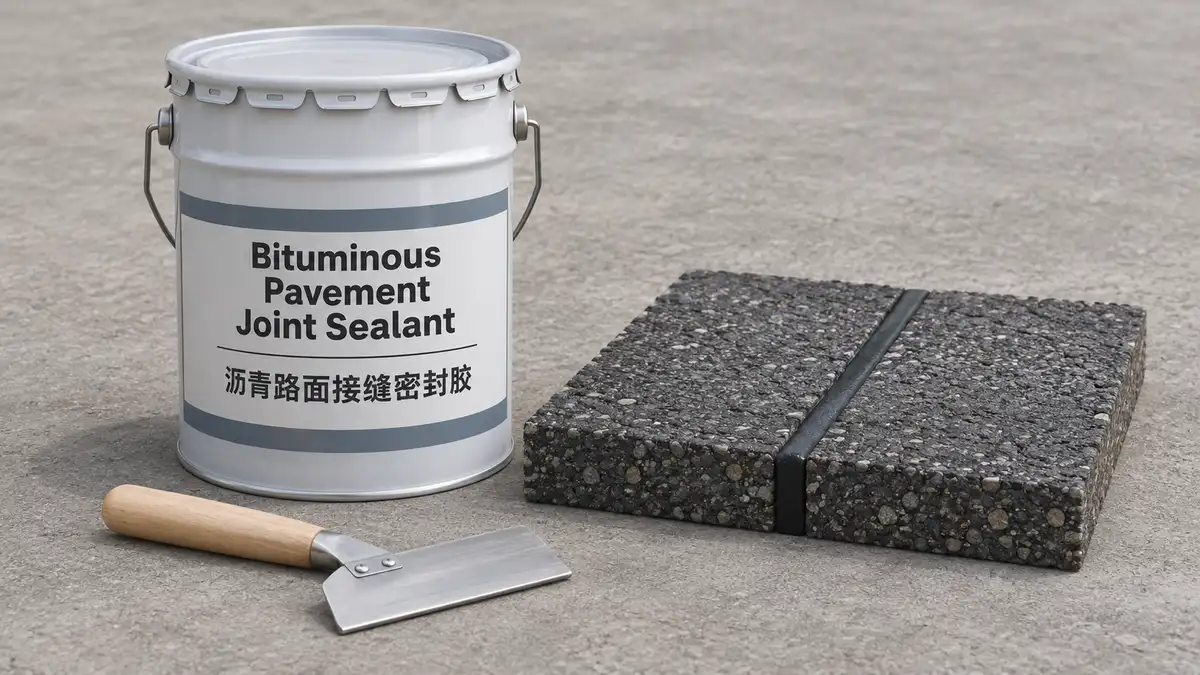
Duty and waste controls
Read from the UK Trade Tariff on 29 September 2026, heading 2715 covers mixtures based on natural asphalt, natural bitumen, petroleum bitumen, mineral tar or mineral tar pitch, including bituminous mastics and cut-backs. Bituminous pavement joint sealants can fall within this heading according to their formulation. The supplied extract contains a single commodity line; the table lists product forms sharing that code.
The supplied extract records 0% duty for goods from China, with no anti-dumping or countervailing duty and no suspension recorded. It attaches import and export waste controls. Waste shipment controls apply only to material classed as waste. For waste from China that may be subject to notification controls, confirm any consent requirements with the relevant waste authority before shipment. Ask your customs broker and the relevant waste authority to confirm the actual consignment's status and procedure.
Confirm the commodity code using the binder, additives, solvent content and intended use. See the bituminous mixtures guide for the wider heading and the import duty and VAT guide for tax calculations.
| Goods | Commodity code | Duty | Anti-dumping or countervailing duty on China |
|---|---|---|---|
| Hot-applied bituminous pavement joint sealant | 2715 00 00 00 | 0% | None |
Specify joint movement and application conditions
State whether the sealant is hot-applied or cold-applied, its binder and modifier composition, and whether the pavement is concrete or asphalt. Specify joint width and depth, expected movement, primer and backing material, and exposure to water, traffic or fuel. Agree test methods and acceptance criteria for adhesion, flexibility and resistance to flow.
For hot-applied material, obtain heating, pouring and reheating instructions. For cold-applied material, agree mixing, application and curing conditions, and obtain solvent and flash-point information where relevant. Trial the sealant in a representative joint with the intended primer and backing material.
For sale in Great Britain, arrange classification and labelling by someone with scientific competence. Check the formulation's UK REACH position with your chemical adviser and obtain a matching safety data sheet. Ask for performance declarations and conformity evidence for the intended pavement use, and have an adviser check the applicable construction-product standard. Legitimately CE-marked construction products can continue to be supplied in Great Britain. Use testing and certification support to plan the checks.
Worked duty example
Illustrative example, not a quote: Illustrative order: 20 tonnes of cold-applied bituminous pavement joint sealant in sealed drums under 2715 00 00 00, invoiced at £24,000 free on board, with £1,800 of freight and insurance to the UK. The customs value is £25,800. Duty at 0% is £0. Import VAT at 20% is charged on the customs value plus duty, £25,800, so it is £5,160. With no duty, the only import tax is the VAT, which a VAT-registered importer can usually reclaim. The import duty and VAT guide explains each step.
Inspection checklist
Identity: match batch references, formulation documents and safety data sheets to the approved sealant; retain a sample from the delivered batch.
Condition: inspect blocks for deformation or contamination, and cold-applied material for separation, sediment and difficulty mixing.
Joint trial: apply using the agreed primer, backing and instructions; check adhesion to the joint faces, curing, flexibility and visible cracking.
Packing: check drum lids, seams, leaks and batch labels, or wrapping around solid material. Photograph discrepancies using the quality inspection guide.
Working out your own order? Send us the product on WhatsApp and we reply the same working day: WhatsApp us
What goes wrong
A sealant may look acceptable in its container but detach from dusty or damp joint faces. An unsuitable primer or backing material can also undermine the trial. Test the complete joint arrangement on the intended pavement material rather than judging a free-standing sample.
Excess filler or a changed modifier can reduce flexibility; overheated material can lose its intended application behaviour. Soft material may flow under traffic, while leaking cold-applied drums can lose solvent and thicken. Reclaimed feedstock needs a waste-status check before shipment, even when the supplier describes the consignment as a commercial sealant.
Cambridge China Bridge sources these products for UK businesses, checking the factory and the documents before shipment. See factory verification. For repeat volumes, see container programmes.
Frequently asked questions
What is the UK import duty on bituminous pavement joint sealants from China?
The supplied extract records 0% duty under 2715 00 00 00, with no anti-dumping or countervailing duty and no suspension. Confirm that the actual formulation belongs under this code.
Does the waste control apply to new pavement joint sealant?
Waste shipment controls apply only if the material is waste. The tariff attaches a waste control, so ask your broker to confirm the consignment's status, particularly where reclaimed material is involved.
Can CE-marked pavement joint sealants be sold in Great Britain?
Have an adviser check the sealant's intended use, applicable standard and supporting conformity evidence.
How should I test a pavement joint sealant sample?
Trial it on the intended pavement with the agreed joint dimensions, primer and backing. Follow the application instructions and check adhesion, curing, flexibility, cracking and resistance to flow.