Sourcing apparel and uniforms from China
Apparel is easy to buy badly because the sample is right and the bulk is not: sizing drifts across a run, fabric behaves differently after washing, and colour varies between cartons. The controls are a graded size set, a wash test and a physical colour standard, all agreed before production starts. Cambridge China Bridge sources this, from a first trial order to full containers.
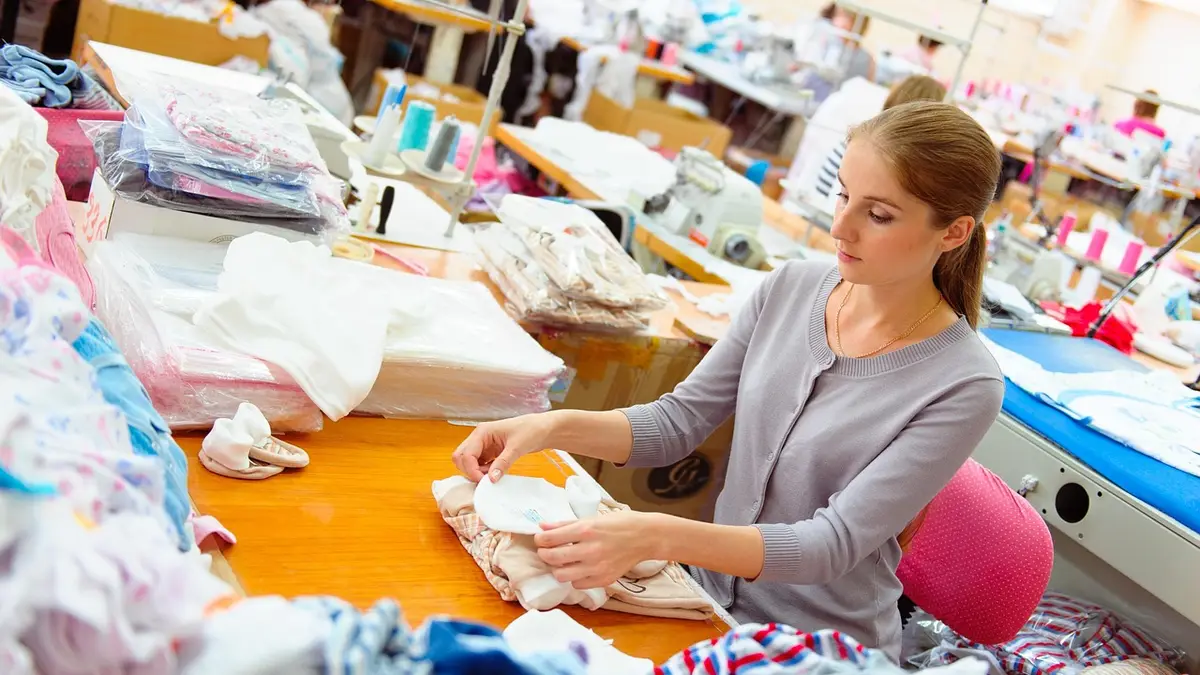
What actually decides whether an apparel order works
Apparel is easy to buy badly. The samples look right, the price is attractive, and the problems arrive in bulk: sizing that drifts across a run, a fabric that behaves differently after washing, colour that varies between cartons, and a return rate that eats the margin you thought you had.
Almost all of that traces back to the same root. Garments are made from materials that vary, by hand operations that vary, and unless the specification pins down the things that matter, the variation is decided for you.
Fabric is the specification
Name the fabric by composition and weight, not by description. Cotton is not a specification; a stated composition, a gram weight and a construction is. Add the yarn count, the finish, and any performance requirement such as shrinkage after a stated wash cycle.
Ask where the fabric comes from and whether it is mill stock or being woven for you, because that changes both lead time and the risk of a dye lot difference between batches.
Specify colour against a physical standard and state the acceptable variation, then require that the approved lab dip is matched. Colour is the single most common cause of an argument that neither side can prove.
And test what matters to your customer: shrinkage, colour fastness to washing and rubbing, pilling, seam strength. These are inexpensive tests and each corresponds to a review you would otherwise receive.
Sizing, grading and the return rate
Provide a full size specification with measurements and tolerances for every size, not just the sample size. Grading errors are common and they only appear when the run is made.
Have the factory produce a size set for approval and measure it yourself. A size set that is within tolerance at the extremes is worth far more than a perfect sample in the middle of the range.
Sizing is also a returns problem, and returns are where online apparel margins go. Feed your return data back into the next specification: if a line comes back for being small, that is a grading instruction, not a customer service issue.
Labelling: what the law requires and what it does not
Fibre composition labelling is a legal requirement for textile products in the UK, and it has to be accurate. Getting it wrong is not a detail; it is the labelling requirement enforcement actually looks at.
Care labelling, by contrast, is not a statutory requirement in the UK. Most buyers include it because customers expect it and because it reduces complaints, but it is a commercial decision rather than a legal one, and it is worth knowing the difference so you spend attention where the obligation is.
Country of origin, your business identity and any size labelling should be agreed explicitly in the specification, along with label type, position and attachment, because these are frequently wrong on a first run.
Chemicals, children's items and the compliance edge
Restricted substances apply to textiles through UK REACH, notably certain azo dyes, and testing is straightforward to arrange. If you are buying anything with a coating, a print or a finish, ask what is in it.
Children's clothing carries additional risk: cords and drawstrings around the neck and hood are a known hazard with recognised standards, and small components such as buttons and beads can be a choking risk. Treat children's ranges as a separate compliance conversation rather than an extension of the adult one.
And remember the obligations that come with selling rather than with the garment: packaging producer responsibility applies to the polybags and cartons you place on the market.
Working out your own order? Send us the product on WhatsApp and we reply the same working day: WhatsApp us
Running the order
Approve a pre-production sample made with the actual production fabric, not a prototype in a substitute material. Fabric is the variable, so a sample in the wrong cloth proves very little.
Inspect before shipment against measurements, not just appearance, and include a check of labels and packing. Ask for measurement data across the size range rather than a pass or fail.
Plan around Chinese New Year, and remember apparel is seasonal at both ends: your season and their capacity peak do not always cooperate. What we source and check for apparel buyers is on the apparel page.
For repeat uniforms or clothing ranges, we can be the primary supplier, compare a second factory with your approved sample, or check production at an incumbent. Give us the fabric specification and weight, size set, physical colour standard, labels, packing, annual volume and destination. Agree in-process and pre-shipment checks against retained samples, with the buyer approving changes in fabric, colour or fit. The service scope includes small trials and full containers.
Frequently asked questions
How do I stop sizing problems on a clothing order?
Provide measurements and tolerances for every size, not just the sample size, and have the factory produce a size set for approval that you measure yourself. Grading errors usually appear only when the full run is made.
Is care labelling a legal requirement in the UK?
No. Fibre composition labelling is a legal requirement and must be accurate, but care labelling is not statutory. Most buyers include it because customers expect it and it reduces complaints, which makes it a commercial decision rather than a legal one.
What tests should I ask for on garments?
Shrinkage, colour fastness to washing and rubbing, pilling and seam strength cover most of what customers complain about. Restricted substances under UK REACH, including certain azo dyes, are also worth testing where there are dyes, prints or coatings.
Why does colour vary between cartons?
Usually different dye lots. Specify colour against a physical standard, state the acceptable variation, require the approved lab dip to be matched, and ask whether the fabric is mill stock or being woven for your order.
Is children's clothing different?
Yes, and it should be treated as a separate compliance conversation. Cords and drawstrings around the neck and hood are a recognised hazard with their own standards, and small attached components can present a choking risk.