Sourcing rice-whitening rollers from China
Abrasive rice-whitening rollers within heading 6804 carry 0% UK duty across the listed lines for goods from China, with no trade remedies recorded. Rice-contact surfaces must comply with the food-contact framework. Specify the abrasive, bond and machine fit. Cambridge China Bridge sources abrasive rice-whitening rollers.
Buying from China for a business? How our UK China sourcing agent service works · China sourcing agent for small orders and first imports
UK duty and classification
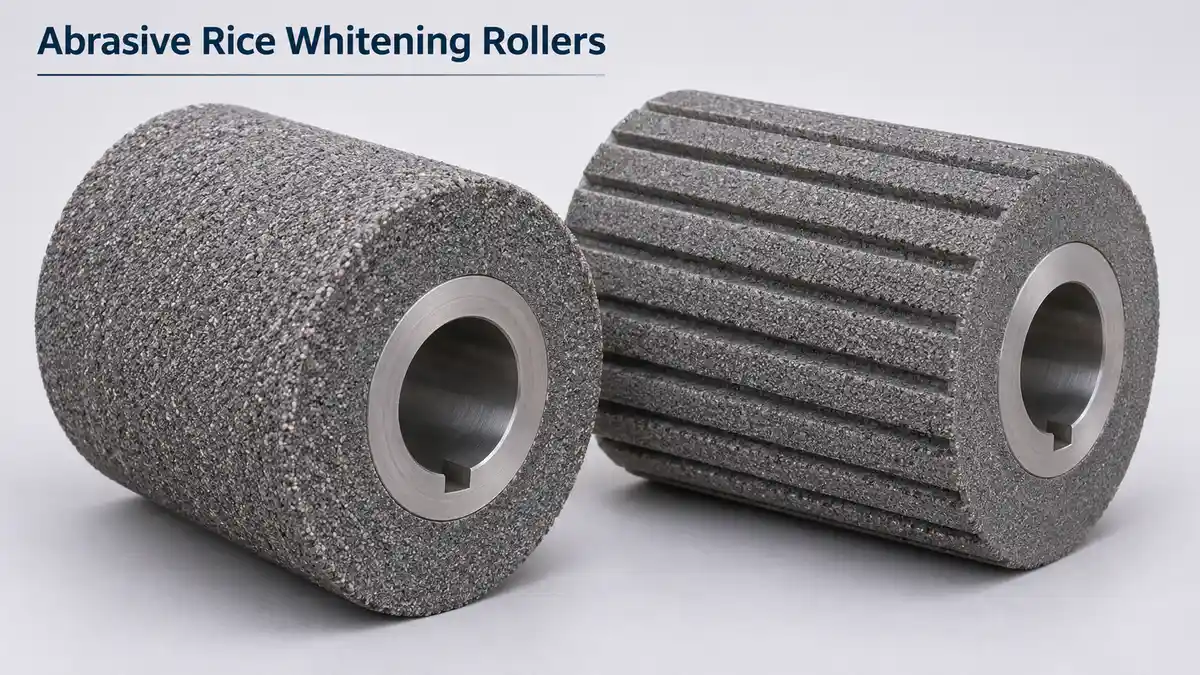
Read from the UK Trade Tariff on 1 October 2026, heading 6804 covers millstones, grindstones and similar abrasive products without frameworks. All listed lines carry 0% duty for goods from China. No anti-dumping or countervailing measures or suspensions are recorded. This guide concerns abrasive rice-whitening rollers supplied as replacement grinding elements.
The tariff attaches waste import and export controls. Waste shipment controls apply only where the material is waste. For a China-to-England shipment under notification controls, the Chinese exporter must apply to the dispatch authority for consent. Shipment can start after consent from the Environment Agency and the other authorities involved. Confirm the applicable route with your customs broker, including any proposed waste return to China.
The table gives classification candidates, rather than interchangeable codes for every roller. Give your broker the roller drawing, function, abrasive composition and binder details to confirm the commodity code. Milling grindstones have a separate line from other bonded abrasive products. See the grinding and cutting wheels guide for the wider heading.
| Goods | Commodity code | Duty | Anti-dumping or countervailing duty on China |
|---|---|---|---|
| Millstones and grindstones for milling, grinding or pulping | 6804 10 00 00 | 0% | None |
| Artificial abrasive products with ceramic or silicate binder | 6804 22 30 00 | 0% | None |
| Artificial abrasive products with other binders | 6804 22 50 00 | 0% | None |
| Other agglomerated abrasive or ceramic grinding products | 6804 22 90 00 | 0% | None |
Specify the abrasive body and rice-contact surfaces
Specify the machine make and model, roller drawing, outside diameter, working length, bore, keyway, mounting faces and groove profile. State the abrasive material, grit distribution, binder, porosity and intended operating speed. Identify whether the supply is a complete roller or separate abrasive segments, and approve a sample against the actual machine.
Rice-contact surfaces fall within the food-contact framework and must comply with its requirements. Ask for the abrasive, binder and any coating composition, with supporting evidence matched to the intended rice-processing conditions. Agree a rice trial covering whitening consistency, broken grains, throughput, abrasive shedding and wear. Use testing and certification support to define the evidence needed.
Worked duty example
Illustrative example, not a quote: Illustrative small batch of ceramic-bonded abrasive rice-whitening rollers under 6804 22 30 00, invoiced at £2,500 free on board, with £150 of freight and insurance to the UK. The customs value is £2,650. Duty at 0% is £0. Import VAT at 20% is charged on the customs value plus duty, £2,650, so it is £530. With no duty, the only import tax is the VAT, which a VAT-registered importer can usually reclaim. The import duty and VAT guide explains each step.
Inspection checklist
Fit: measure the bore, keyway, mounting faces, working length and groove profile against the approved drawing.
Integrity: inspect for cracks, chipped edges, loose abrasive, exposed bond defects and damage around the bore or segment joints.
Rotation: check runout and balance against agreed acceptance criteria, and match the operating-speed information to the intended machine.
Rice trial: compare whitening, broken grains, abrasive shedding and wear with the approved sample; retain batch identification and material records. See quality inspection explained.
Working out your own order? Send us the product on WhatsApp and we reply the same working day: WhatsApp us
What goes wrong
A roller can fit the shaft but still perform poorly because its grit, porosity or grooves differ from the approved sample. Watch for uneven whitening, increased broken grains, rapid wear and abrasive shedding. A changed binder can also leave the supplied food-contact evidence unrelated to the delivered batch.
Poor protection in transit can chip edges or damage mounting faces. Agree individual supports and protection for abrasive surfaces, then inspect before installation. Keep damaged rollers aside for assessment and investigate vibration or shedding before continuing the rice trial.
Cambridge China Bridge sources these products for UK businesses, checking the factory and the documents before shipment. See factory verification. For repeat volumes, see container programmes.
Frequently asked questions
What is the UK import duty on abrasive rice-whitening rollers from China?
The listed heading 6804 lines carry 0% duty for goods from China, with no anti-dumping or countervailing measures recorded. Confirm the precise line from the roller's function and construction.
Which commodity code applies to my rice-whitening roller?
Confirm it from the function, abrasive and binder. The table contains candidate lines; send the drawing and material specification to your customs broker before declaring the goods.
What food-contact evidence should I request?
Request the abrasive, binder and coating composition, plus evidence supporting compliance with the food-contact framework under the intended rice-processing conditions. Match it to the supplied material and batch.
How do I check a replacement roller before using it?
Check dimensions, mounting fit, cracks, runout and balance. Then use an agreed rice trial to compare whitening, broken grains, shedding and wear with the approved sample.