Do I need food registration to sell prepacked food?
Yes—if you run a business selling sealed imported food, register with your local authority at least 28 days before food operations start. Registration is free. A small trial order does not remove the need to register; certain animal-origin operations may need approval instead. Start the timetable from storage or handling, not just your first sale.
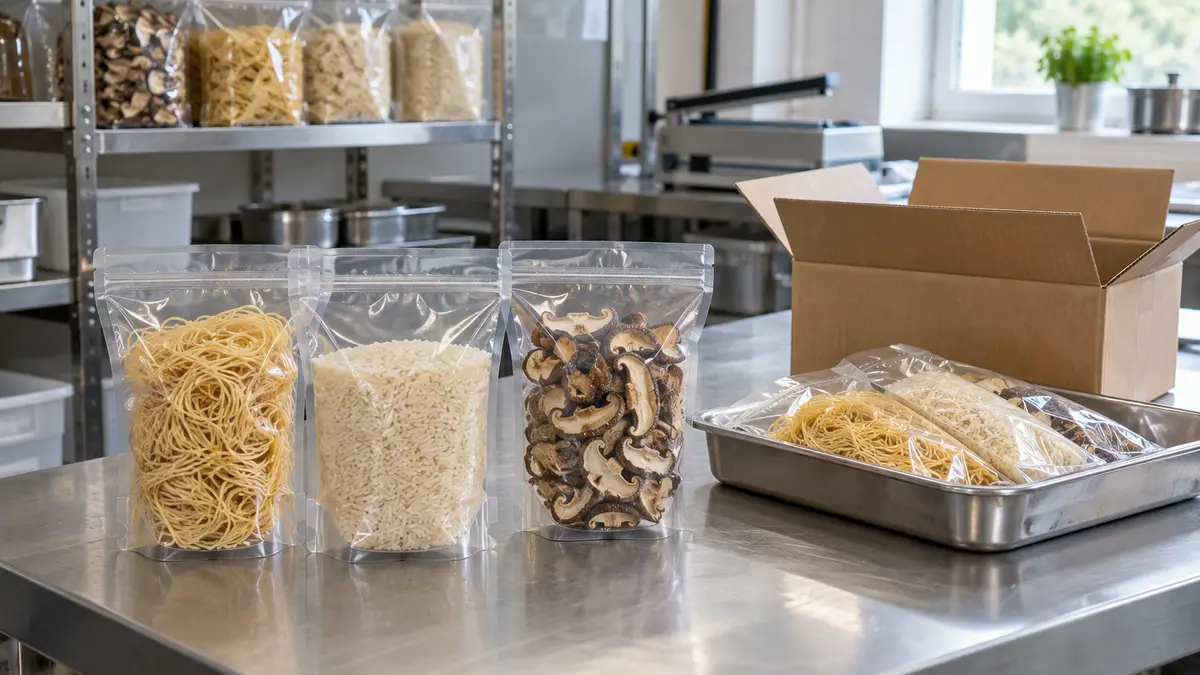
Unopened packets still count as a food business
Selling factory-sealed biscuits or snack packets is still selling food. The registration rules cover food businesses selling online as well as those storing, handling or distributing food. Registration is free; do not budget for a registration licence purchased from an intermediary.
In England, Wales and Northern Ireland, register at least 28 days before trading or food operations start. Scotland also requires registration at least 28 days before trading. When planning your first shipment, identify when you will actually begin storing or handling stock, rather than working backwards only from your website launch.
Map the operator and premises before completing the form
Registration follows the food business and its establishments. Official guidance requires registration of each site when you operate in more than one location. Food distribution, brokerage and supply businesses operating from an office are also covered even where no food is kept there.
Prepare the following premises map for the council. Use our home storage guide alongside it when your address is residential.
| Your arrangement | Information to give the council | Decision to obtain |
|---|---|---|
| You store sealed packets and dispatch orders from home | Operator, home address, products, storage area and dispatch activities | Confirm the establishment and activities to record |
| A separate warehouse holds your stock | Your operating address, warehouse address and who controls receipt, storage and dispatch | Confirm your registration responsibilities and those of the warehouse operator |
| You add a market stall or mobile sales | Trading locations, overnight base, transport and any opening or sampling of food | Ask how to record the mobile or temporary operation |
Resolve animal-origin approval separately
In England, certain establishments handling products of animal origin and supplying other establishments need approval. Scottish guidance likewise identifies businesses making, preparing or handling meat, fish, egg or dairy products for supply to other businesses as potentially needing approval instead of registration.
Send the council the actual product and process: ingredients, whether packs remain sealed, storage conditions and whether customers are consumers or other businesses. For example, describe a biscuit containing milk powder differently from a chilled dairy product; do not ask only whether you can sell 'Chinese snacks'. Ask the council to decide whether approval or an exemption applies. If approval is required, obtain it before operating.
Registration also leaves the import question unresolved. For a Great Britain destination, imported food must comply with applicable food law. Use our first high-risk food shipment guide to prepare a separate product-and-origin enquiry before ordering. For Northern Ireland, request destination-specific import and labelling advice.
Build a sealed-food check file, not just a registration receipt
Food safety management procedures must be based on HACCP principles. For this business, write down what you check when packets arrive, what makes you hold stock, and who authorises its release. The checks below are a practical starting point, not a universal laboratory test specification.
Keep the factory recipe, retail label and online listing together. Our Chinese recipe to UK food label guide helps organise that comparison. For online prepacked-food sales, mandatory allergen information must be available before purchase and at delivery; allergenic ingredients must be emphasised within the ingredients list.
Keep supplier and business-customer records that let you identify affected deliveries. Practise finding a batch using our factory-to-customer traceability guide. If supplied food is unsafe or fails legal requirements, official guidance calls for immediate withdrawal or recall and notification of the competent authority.
| Failure to look for | Check before releasing stock | Record to retain |
|---|---|---|
| Recipe and allergen information do not match | Compare the current recipe, compound ingredients, label and online listing; ask the supplier to report ingredient changes | Dated recipe, supplier confirmation and approved artwork |
| Damaged packaging or incorrect labels | Inspect incoming packets for damage and compare the label with the agreed product specification; hold discrepancies for review | Photographs, affected batch and hold/release decision |
| Dates or storage instructions cannot be understood | Check the best-before or use-by information, as applicable, and special storage conditions against the supplier's specification | Pack photographs and agreed storage instructions |
| A retail packet cannot be linked to its delivery | Check the lot number or use-by identification and link it to the supplier delivery record | Batch-to-delivery record and business-customer dispatch records |
Worked example: your stock arrives before launch
Hypothetical example: an England-based online seller plans to launch on 1 March 2027. Its first food operation will also start that day. Registering on 1 February gives 28 days.
Now change one fact: sealed snack packets will arrive at the seller's home for business storage on 15 February 2027. The food-operation date is earlier than the launch date. Counting back 28 days gives 18 January 2027. Confirm the operation's start date with the council and arrange registration around that date.
For the registration-only route, retain the submission confirmation and have the food-safety and product checks ready for the start of operations. If approval is required, the registration timetable does not replace it. Adding a stall also warrants a separate venue enquiry; see our markets and pop-ups guide.
Working out your own order? Send us the product on WhatsApp and we reply the same working day: WhatsApp us
Use Chinese supplier meetings to obtain the missing facts
SIAL Shanghai is a named food-and-beverage sourcing fair at the Shanghai New International Expo Center. If you use its exhibitors to shortlist prepacked foods, request the complete ingredient specification and photographs of the actual export packs before discussing a UK launch date.
Bring a specific question sheet: who manufactures this recipe, which ingredients are compound ingredients, how are formula changes communicated, what dates and storage instructions appear on the export pack, and how are retail batches linked to shipments? These are suggested buying questions; a fair listing does not answer them.
Cambridge China Bridge's testing and certification service is the relevant service to discuss when the recipe, packaging or proposed sale raises a testing question. Bring the council's unanswered questions and the exact product specification so the scope can be agreed.
Frequently asked questions
Does a small trial order of sealed snacks avoid registration?
No exemption follows simply from the order being small or the packets remaining sealed. If you are operating a food-sales business, register; ask the council if you are genuinely unsure whether your proposed activity constitutes a business.
Does my fulfilment warehouse's registration cover my business?
Do not assume so. Food supply businesses can need registration even without holding food at their own premises. Give the council both addresses and the division of responsibilities.
Does milk powder in a biscuit automatically mean I need approval?
Do not decide from one ingredient alone. Give the council the full recipe, storage and handling arrangements, and customer type so it can assess the exact activity.
Does registration establish that my Chinese food label is compliant?
No. Check the recipe, allergens, dates, storage information and product identification separately, together with the import requirements for the exact food.
Sources
- FSA: Registration timing and food operations
- GOV.UK: Starting a food business
- GOV.UK: Food business registration and premises
- Food Standards Scotland: Starting a food business checklist
- Food Standards Scotland: Registration and approval
- GOV.UK: Food establishment approval in England
- GOV.UK: General food law
- GOV.UK: Managing food safety
- GOV.UK: Food allergen technical guidance
- GOV.UK: Precautionary allergen labelling and supplier checks
- GOV.UK: Required food-label information
- GOV.UK: Food incidents, withdrawals and recalls
- SIAL Shanghai: Official fair and venue