Do China imports need a CITES permit?
Yes. A finished instrument, ornament or hobby item can need CITES paperwork because of its wildlife materials. Identify each species and the exact component, then confirm the applicable controls and documents with APHA before shipment. Factory evidence can be gathered by Cambridge China Bridge.
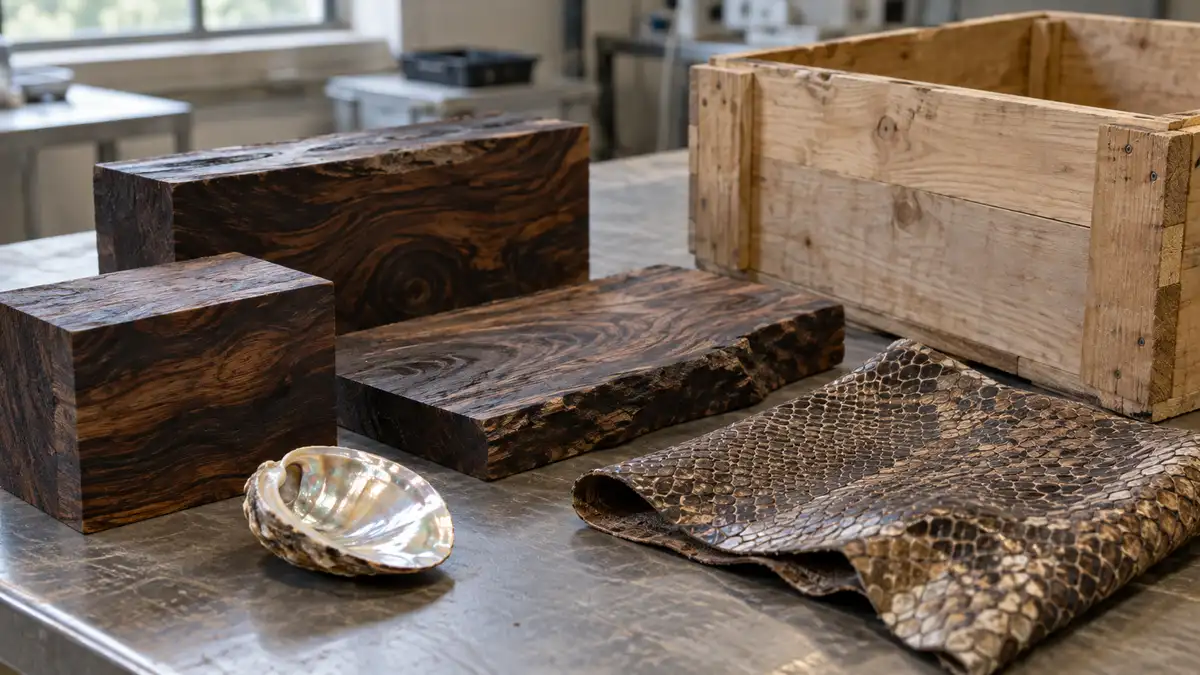
Check the material, not just the product name
CITES checks can cover animal or plant parts and derivatives incorporated into finished goods. Start with the instrument body, fingerboard, bow, inlay, shell decoration, skin covering and accessories. Ask whether each material is natural or synthetic. Descriptions such as rosewood, shell or exotic leather leave the species question unresolved.
Our import licence guide explains the wider controls check. For this material enquiry, record whether delivery is to Great Britain or Northern Ireland and whether the purchase is for resale, business use or personal use. This guide focuses on arranging a commercial shipment into Great Britain.
Build evidence for the species identification
Ask the factory for the scientific species name alongside its Chinese material name and trade name, tied to each component in the material schedule. Request close photographs, material purchase records, supplier declarations and any existing identification report. Record where the material originated, rather than treating manufacture in China as evidence of its biological origin.
If names conflict or the factory cannot identify the material, hold shipment and ask for specialist identification. Ask the specialist what sample or examination is needed; photographs may leave the question unresolved. Send APHA the evidence and explain the uncertainty. GOV.UK says to check with the relevant CITES management authority before moving items you cannot identify.
Confirm the listing and the exact product form
GOV.UK directs applicants to Species+ to check species listings. Record the scientific name, relevant annex and any annotation, then ask APHA whether the exact component and product form are covered. Describe a finished instrument, loose replacement part or raw material accurately. Do not assume that a possible exemption covers every product sharing a trade name.
Before applying, check the current Great Britain import-restrictions list and any stricter controls. APHA advises on uncertain cases. For an old ornament or instrument, retain age and provenance evidence: worked specimens still need CITES permits for import. Use our antiques guide for the separate age, tax and ivory issues.
Agree the paperwork before committing
For covered Annex A or B materials, establish the UK import-permit route with APHA. Annex C imports use an import notification obtained from APHA. Ask which export or re-export document must accompany the goods and what supporting evidence the application needs. Use the GOV.UK CITES application service where applicable; agree who applies and who obtains the originals.
A musical instrument certificate is available for non-commercial movements, so do not use that route for stock bought for sale. Ask APHA about commercial-use documentation for Annex A items. Ask APHA to confirm when the correct permit must be held in relation to shipment, payment and entering into contracts over specimens. Make material substitution trigger a fresh review.
Working out your own order? Send us the product on WhatsApp and we reply the same working day: WhatsApp us
Make the border handoff part of shipment approval
Use a designated CITES entry point and agree with the forwarder who presents the documents for Border Force endorsement. For imports requiring permits, present the UK import permit and original export or re-export permit. Compare species, descriptions, quantities and shipment details across the goods and paperwork. If the import changes, contact Border Force before arrival.
Keep the endorsed importer copy with the material evidence, correspondence and shipment records. Our customs documents guide covers the wider clearance file. Cambridge China Bridge’s own staff in China can request factory records and compare the goods with the agreed material schedule; unresolved identification or paperwork should keep shipment on hold.
Frequently asked questions
Does every rosewood guitar need a CITES permit?
Do not decide from the word rosewood. Obtain the scientific species name and describe the finished guitar and its components. Ask APHA to confirm the listing, annotation and applicable paperwork.
Can a supplier’s material declaration prove the species?
Use it as evidence, then compare it with material purchase records and any identification report. If names conflict or remain vague, hold shipment and seek specialist identification.
Can I use a musical instrument certificate for resale stock?
That certificate route is for non-commercial movements. Ask APHA to confirm the import paperwork for a commercial purchase instead.
Does an antique instrument avoid CITES paperwork?
Worked specimens still need CITES permits for import. Keep age and provenance evidence and check any separate ivory restrictions before committing to the purchase.