Safety defect: same SKU, different factories
Hold suspect and untraceable stock while you link each item to its factory, production batch and safety-critical components. Assess whether the defect could also affect the other supplier before narrowing the hold. Factory records can be gathered by the China-based staff of Cambridge China Bridge.
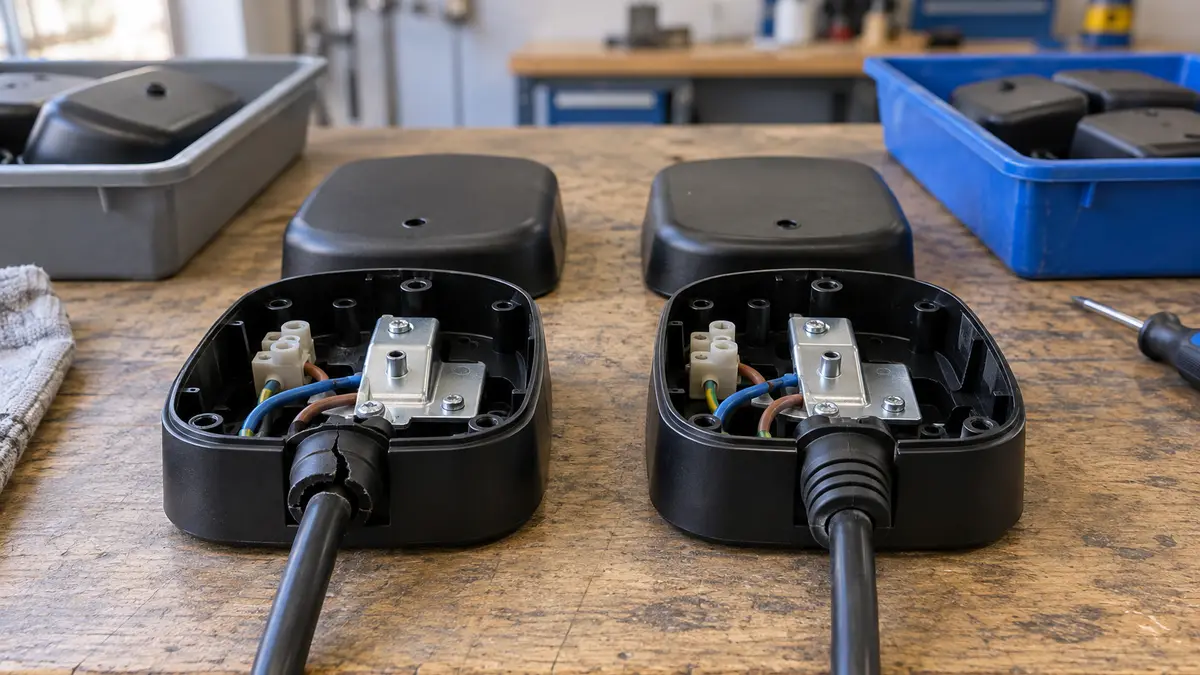
Separate the retail code from the safety investigation
This guide covers non-food consumer goods. A shared retail SKU identifies what you sell, but does not establish where an individual item was made. Start a separate investigation record for each factory and an unresolved group for goods whose origin cannot be demonstrated. Do not assign mixed returns to a factory by appearance alone.
Confirm with the relevant authority how any concern that goods are unsafe affects your supply obligations. As an initial precaution, block suspect stock and goods that cannot be separated from it. Follow our imported-product recall guide for notification and customer protection while the factory comparison proceeds.
Build a factory-to-customer evidence chain
OPSS guidance requires supplier records that allow product origins to be traced. Create a cross-reference linking the retail code to factory identity, purchase order, factory batch, production dates, carton markings, shipment, warehouse receipt and dispatch records. Preserve original documents and photographs; record gaps rather than filling them with assumptions.
Reconcile receipts against stock held, dispatched, returned and unaccounted for, separately by factory and batch. Check repacking, warehouse transfers, marketplace fulfilment and replacement orders for mixing. An invoice identifying the supplier does not establish the origin of loose goods after cartons have been combined. Use inspection records to corroborate identifiers and production details.
Test the proposed boundary of the defect
Preserve the failed item, packaging, markings, complaint history and circumstances of use. Record who handled each sample and any changes made before examination. Ask a competent safety specialist to identify the failure mechanism and select examinations or tests that address it. A general inspection pass does not answer whether a hidden safety defect exists.
Ask each factory for the actual component and material lots used, assembly records, subcontractors, rework and change history. Compare these with retained samples and the failed item. Look for shared component suppliers, drawings, tooling or instructions that could carry the same hazard across factories. Check the exact configuration covered by reports using our test-document guide. For approval references, see our guide to sharing approved samples across factories.
Decide whether to hold the other supplier's stock
Keep the other supplier's goods on hold where origin is unresolved, stock is mixed, or a shared design or component could explain the failure. A different factory name, no complaints or a passing sample alone is weak grounds for exclusion. Define what evidence would disprove the suspected mechanism in that supplier's actual production.
Consider a narrower hold only when traceability separates the goods and the safety assessment supports excluding them. Record the batches covered, supporting evidence, uncertainties, decision owner and triggers for review. Discuss the proposed scope with the relevant authority. These are practical investigation criteria, not an OPSS rule automatically clearing goods from another factory.
Working out your own order? Send us the product on WhatsApp and we reply the same working day: WhatsApp us
Document the scope and control release
Notify the relevant authority when supplied goods are unsafe and pose a risk, or breach applicable legislation. Do not wait for a complete factory investigation. Supply the identification, supply-chain records, test evidence, risk assessment and action taken or planned. Explain that the retail code covers different factories, distinguish confirmed links from unresolved stock and update the authority as evidence changes.
Before releasing held stock, document why the safety concern has been resolved for those specific goods. If rework is proposed, preserve its batch links and verify that it addresses the failure mechanism. Confirm warehouse and sales controls match the decision. If customers cannot distinguish excluded goods from affected goods, explain that limitation to the authority before narrowing customer communications.
Frequently asked questions
Does the same SKU mean all stock must be recalled?
The code alone cannot settle the scope. Assess the hazard and factory-specific traceability. Hold stock that cannot be separated from suspect goods and discuss the affected scope with the relevant authority.
Can I keep selling the other factory's goods?
Consider this only where records separate those goods and the safety assessment supports exclusion. A different supplier name or absence of complaints is insufficient evidence on its own.
What if the warehouse mixed both factories' stock?
Keep the mixed stock on hold. Reconstruct origin using item markings, carton records and warehouse movements. Treat goods whose origin remains unresolved as potentially affected.
Does a passing test clear the other supplier?
Only assess it in context: which sample, factory, batch and configuration did it cover, and did the test address the suspected failure? Record its limits before using it to support release.