Import a Chinese electric moped for UK road use
Confirm the exact vehicle’s approval route before paying. Arrange customs clearance, check whether HMRC notification applies, then obtain approval, register and tax the vehicle with DVLA, and insure it before road use. Request factory documents and shipment checks through Cambridge China Bridge.
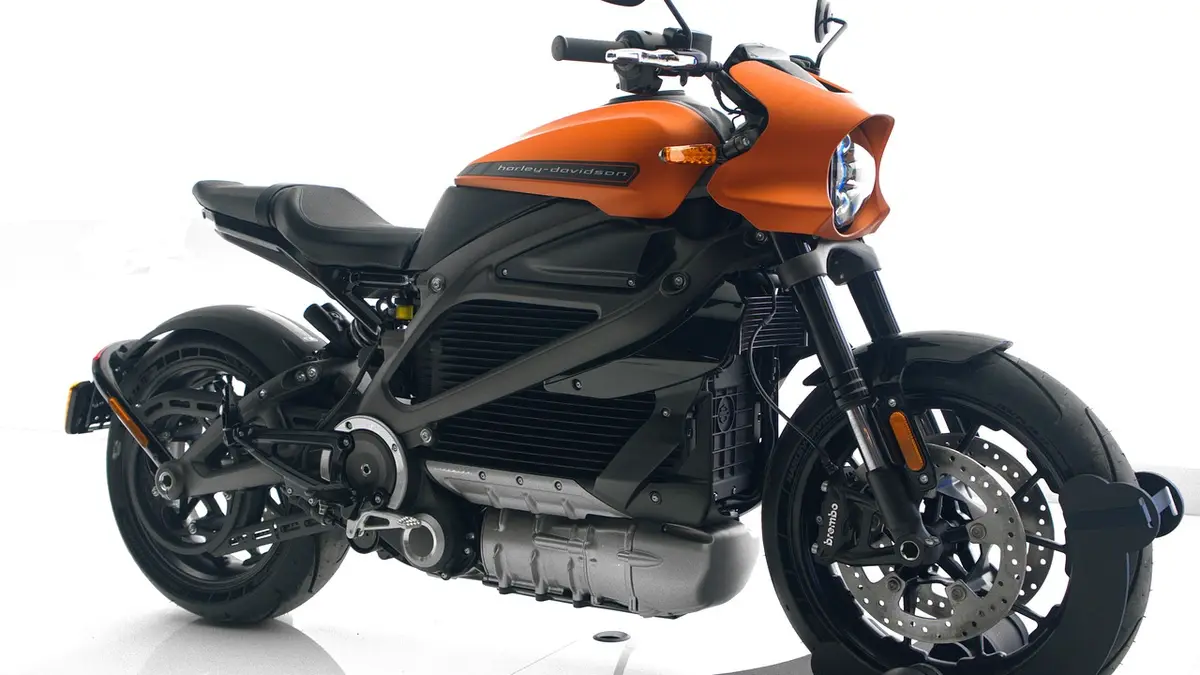
Confirm the approval route before payment
This guide covers a permanent personal import into Great Britain. Before paying a deposit, send DVSA the exact model, technical specification, approval documents and registration history. Ask whether its existing approval is acceptable or whether Motorcycle Single Vehicle Approval (MSVA) is needed. For a Northern Ireland destination, ask for destination-specific advice.
GOV.UK identifies provisional GB type approval and MSVA as the relevant routes for motorcycles in Great Britain. If the vehicle lacks provisional GB type approval, its guidance directs you to MSVA. Ask the factory for the vehicle approval reference and any Certificate of Conformity, then confirm they cover the exact variant you are buying. Make satisfactory document checks a payment condition.
Check the actual vehicle and the cost of approval
Ask for photographs of the chassis identification, manufacturer’s plate, lights, mirrors and speedometer, plus the motor specification and battery details. Match these against the documents and invoice. Ask DVSA about eligibility and any alterations before assuming an inspection will solve missing approval. Agree who pays for modifications, inspection, retesting and transport.
Where a vehicle with a Certificate of Conformity is not equipped for Great Britain, GOV.UK requires modifications and a partial MSVA check. If an MSVA inspection is needed, the vehicle must have an identification number beforehand. DVSA issues an approval certificate after a successful inspection, which you need for registration. Plan transport to the test station.
Arrange clearance and keep the import records
For a shipped vehicle, you must use a shipping company or customs agent to make the import declaration. Appoint them before dispatch and agree who handles import taxes, port collection and delivery. Use our UK customs clearance guide for the general process and customs documents checklist for the shipment paperwork.
Give the agent a clear vehicle description, invoice and packing details, and ask for copies of the completed customs records. Keep the chassis identity consistent throughout the file. Obtain the carrier’s acceptance of the vehicle and battery configuration before booking freight; our lithium battery shipping guide covers that separate preparation.
Check HMRC notification separately
The usual deadline for telling HMRC about a permanent vehicle import is 14 days after arrival. However, HMRC says an electric vehicle rated at 7.2 kilowatts or less can be registered without telling HMRC first. Confirm the documented power and treatment with HMRC before relying on that exception. It concerns notification before registration; keep customs clearance and tax arrangements separate.
Where notification applies to a private individual’s shipped vehicle, the Notification of Vehicle Arrivals (NOVA) declaration can be made by the shipping company, customs agent or HMRC’s CARS team. Agree responsibility expressly; do not assume the customs booking includes it. Ask for confirmation that NOVA has been processed before applying to DVLA.
Working out your own order? Send us the product on WhatsApp and we reply the same working day: WhatsApp us
Register, tax and insure before riding
A permanent import must be registered with DVLA. Use V55/4 for a new vehicle or V55/5 for a used vehicle, and arrange vehicle tax at registration. Ask DVLA to confirm the supporting documents for your case before posting originals. Prepare the approval evidence, purchase records, identity documents and any previous registration papers; keep scans of everything.
Insurance is required before road use. Before buying, ask an insurer whether it will cover the exact imported model and whether cover can initially identify it by chassis number. Confirm when cover starts and update it with the registration details. Arrange delivery rather than planning to ride home from the port, and check your riding entitlement and equipment before use.
Frequently asked questions
Can I import an electric moped for personal use?
Yes, but confirm its approval route before payment. Personal use still involves customs arrangements, DVLA registration, vehicle tax and insurance. Check separately whether HMRC notification applies.
Will a factory certificate let me register it?
Send the certificate and exact vehicle specification to DVSA before paying. Confirm whether existing approval is acceptable, modifications and partial MSVA are needed, or the vehicle needs MSVA.
Does every electric moped need NOVA?
HMRC says electric vehicles rated at 7.2 kilowatts or less can be registered without telling HMRC first. Confirm the power evidence and treatment with HMRC; do not assume this removes customs or tax arrangements.
Can I insure it before it has a UK number plate?
Ask an insurer before buying whether it accepts the exact imported model and can start cover using its chassis number. Agree how to add the registration details. Insurance is required before road use.