Are component reports enough for craft kits?
No. Individual component reports support your assessment but do not establish the safety of the complete kit. Check the actual combination, foreseeable use, instructions and warnings, then resolve any testing gaps before selling. Factory evidence can be gathered by Cambridge China Bridge.
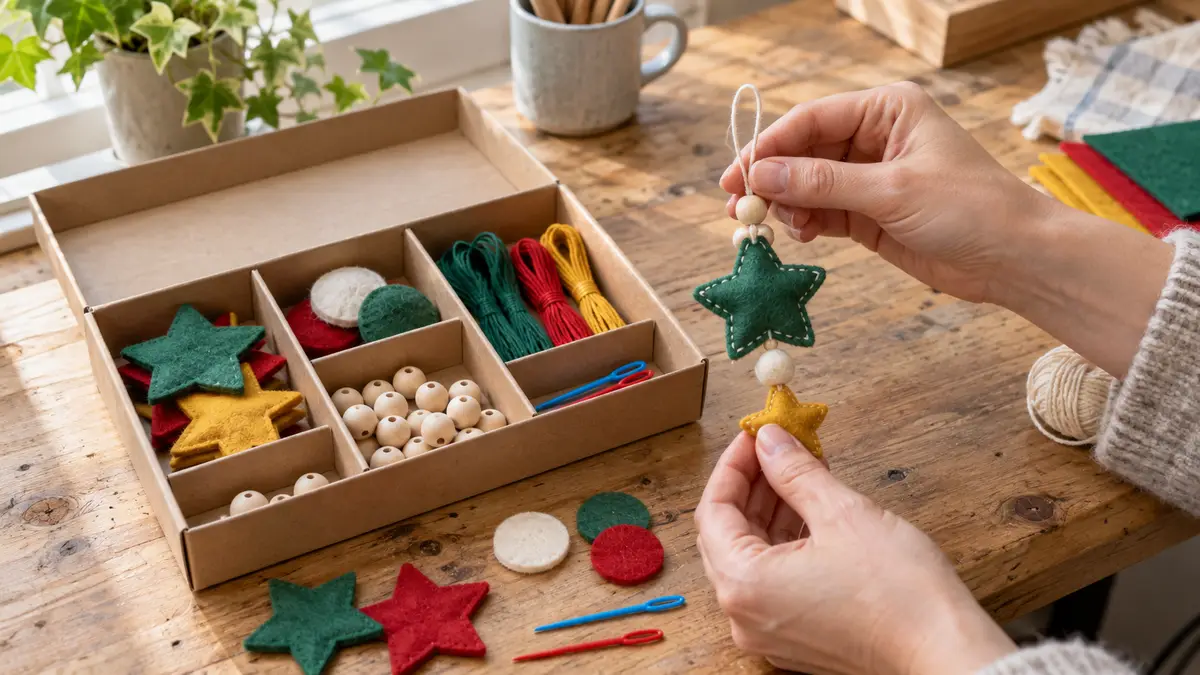
Assess what you will actually sell
Official UK guidance says products should only be sold if compliance with product safety regulations has been demonstrated appropriately. Assess the finished set, including its packaging and the activity your instructions encourage. Assembling it at home does not establish its safety. Our component approval guide explains why separate approvals leave questions about the combination.
Record the intended user, selling territory and use: making jewellery, mixing materials, decorating an object or using gift items together. Ask a compliance adviser which product rules apply, particularly for children's activities, cosmetics, food or electrical contents. Confirm your business's role using our own-brand responsibilities guide. This practical checklist focuses on Great Britain; obtain a separate review for Northern Ireland sales.
Map reports to the finished combination
Match each report to the supplied component's identity, material, colour, coating and supplier specification. Note what was tested, the tested sample's condition and any exclusions. A report on loose beads does not answer whether your finished cord attachment releases them; a report on adhesive does not establish its suitability for every included surface.
Send the complete packed sample, contents list, component reports and draft instructions to a suitable test specialist. Request a written gap review identifying which results remain relevant, which hazards need assessment and which finished-kit tests are appropriate. Ask for reasons before commissioning tests. Do not assume either that every component must be retested or that a folder of reports closes the review.
Check hazards created by combined use
Follow the activity from opening the pack through assembly, use, storage and disposal. Consider foreseeable mistakes: using the wrong container, mixing incompatible materials, touching uncured adhesive, pulling apart a finished decoration or leaving small parts accessible. For gift sets, examine how the presentation encourages joint use, such as lighting a candle beside combustible wrapping.
Keep a hazard record showing who could be harmed, how exposure occurs, existing evidence, the proposed control and the remaining question. Prefer removing an unsuitable component, changing the combination or improving containment where that addresses the hazard. Ask the specialist to assess unresolved chemical, heat, sharp-edge or small-part concerns. Avoid hazardous home experiments; record what still needs controlled testing.
Trial the instructions and warnings
Write instructions for the complete activity rather than stapling together supplier leaflets. Specify suitable tools and work surfaces, preparation, the order of actions, safe handling, storage and disposal where relevant. Resolve conflicting supplier directions with the suppliers and assessor before choosing wording. Describe any equipment the customer must provide and check that your photographs show the same method.
Ask an unfamiliar adult to follow the draft using the actual contents, without coaching and within an agreed safe trial. Record unclear steps, missing equipment and misunderstood warnings; revise and repeat affected steps. Our instruction testing guide develops this method. Write warnings around the remaining hazard and the action needed to avoid it. As a practical release rule, do not use a warning to excuse an unresolved design problem.
Working out your own order? Send us the product on WhatsApp and we reply the same working day: WhatsApp us
Keep a release record and review changes
Before selling, retain the approved contents, report-to-component mapping, combined-use assessment, specialist conclusions, trial results and final packaging and instructions. Record unresolved matters and who authorised release after they were closed. Keep a representative finished sample. Our bundle packing guide covers contents checks and component-to-bundle records, which support this safety file.
Compare each home assembly batch with the approved set, including the labels and leaflets actually enclosed. Treat a changed adhesive, coating, supplier, tool or activity instruction as a reason to review affected evidence before release. Keep suspect sets aside and record corrections. Cambridge China Bridge's own staff in China can help obtain component specifications and factory reports for your specialist's review.
Frequently asked questions
Can I sell a craft kit using component test reports?
Use them as supporting evidence after matching them to the supplied parts. Review combined use and the finished pack, and ask a test specialist to identify assessment or testing gaps before release.
Does every gift set need new laboratory testing?
Ask a specialist to review the actual set and existing evidence. Commission tests to answer identified gaps; do not assume that either blanket retesting or component reports alone are sufficient.
Can warnings make a risky craft kit safe?
Treat warnings as instructions for avoiding remaining hazards. First consider changing the component, combination or containment. Keep the set on hold while a design-related safety concern remains unresolved.
What records should I keep for kits assembled at home?
Keep the approved contents, component reports and their scope, combined-use assessment, specialist review, instruction trials, final artwork and release decision. Link assembly batches to the components used.