How to dispose of upholstered seating returns
In England, waste upholstered domestic seating containing persistent organic pollutants must be kept separate, stored without releasing contamination and sent for authorised incineration. Do not put it into general recycling or landfill. Cambridge China Bridge can help gather factory material records for your waste contractor.
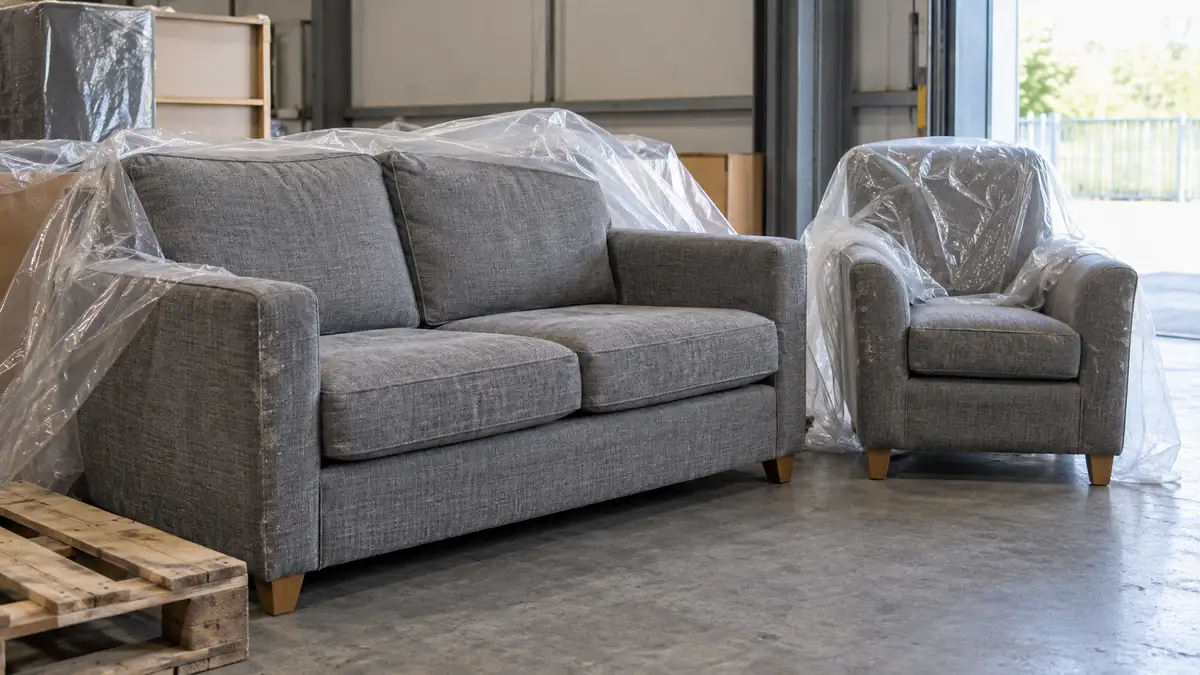
Define the returns covered
This guide covers returns already identified as waste upholstered domestic seating containing persistent organic pollutants. Household-type seating discarded by businesses is included. Keep photographs, product references and factory material records together so your contractor can assess the items. Use investigating customer returns for the separate task of tracing the product defect.
Separate and store without contamination
Keep this seating out of mixed-waste skips. Sorting and storage must prevent damage, pollutant release and contamination of other waste. Set aside a clearly marked area and tell warehouse staff and collectors which returns belong there.
If mixing has occurred, manage the whole load as pollutant-containing waste. Whole seating items can only be separated from mixed waste where you can show they have not contaminated it. Photograph the condition and ask the contractor to assess released foam or fabric before agreeing a collection route.
Leave dismantling to an authorised operator
Separating contaminated foam and fabric requires an environmental permit authorising that activity. Do not ask warehouse staff to strip the returns as an improvised recycling exercise. Ask the treatment operator how it captures dust and fragments.
Separated contaminated material must be stored inside a building, under cover or in a sealed container. Shredded seating waste must be on an impermeable surface and stored inside a building, in a sealed container, or baled and securely wrapped. Ask the operator which arrangement applies to your load.
Book destruction and retain the handover record
Arrange incineration at a municipal or hazardous waste incinerator, or cement kiln, authorised to accept this waste. Landfill and ordinary recycling are prohibited. Ask for the receiving facility’s name, authorisation and written acceptance before collection. If the facility shuts down, store the waste pending acceptance or use another authorised incinerator or cement kiln.
The waste transfer note must describe the load as domestic seating waste containing persistent organic pollutants and use code 20 03 07. Relevant chemicals must be listed in the note or supplied separately. Ask your contractor to confirm the wording, destination and completion record. Feed the findings into future furniture sourcing briefs.
Frequently asked questions
Can I put a returned sofa in a mixed skip?
Waste upholstered domestic seating containing persistent organic pollutants must be kept separate from other waste. Mixing can make the whole load subject to the destruction route.
Can I strip off the fabric and recycle the frame?
Separating contaminated foam and fabric requires a permit authorising the activity. Ask an authorised treatment operator to assess the proposed separation.
Does a non-hazardous waste code allow landfill?
No. The seating code is classified as absolute non-hazardous, but seating containing persistent organic pollutants still requires authorised incineration.
What if the incinerator cannot accept my returns?
Store the waste until it can accept it, or arrange another incinerator or cement kiln authorised to accept and destroy it. Do not divert it to landfill.