Waste codes for electrical returns and batteries
Classify discarded returns before collection. Choose codes by equipment type, waste stream and hazardous components; assess loose batteries separately and list every relevant code for mixed electrical loads. Ask the factory for model-specific component information through Cambridge China Bridge.
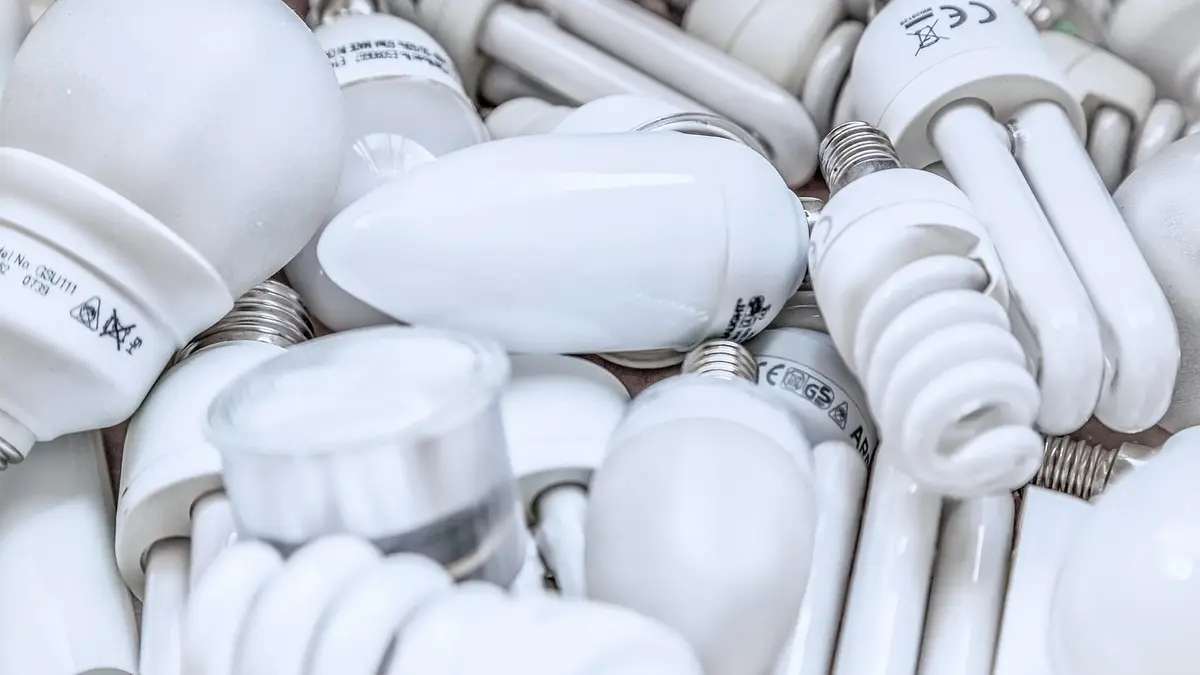
Start with the discarded stock
This guide uses Environment Agency guidance for England. Your business must classify its waste before collection, disposal or recovery. Start a returns register with the model, reason for discard, condition, battery chemistry and whether batteries remain fitted.
Keep resale assessment separate from the disposal list. Producer registration is covered in our WEEE importer guide and battery producer guide; this guide addresses classification of the discarded goods. For personal hobby purchases, see our used electrical item import guide. For automotive battery producers, see our automotive battery collection guide.
Choose codes by waste stream
Do not choose the industrial or commercial column simply because you sell online. The guidance includes household-type electricals collected from businesses within small mixed electrical waste. Ask your contractor to confirm which stream describes your returns.
Use the examples below as a discussion sheet, rather than assigning the same code to every pallet. An asterisk identifies hazardous waste.
| Waste stream | Status | Relevant codes |
|---|---|---|
| Small mixed household-type electricals containing persistent organic pollutants | Hazardous and persistent organic pollutant waste | 20 01 35* and 20 01 36 |
| Commercial heat pump tumble dryers | Hazardous | 16 02 13* |
| Commercial vented and condenser tumble dryers | Non-hazardous | 16 02 14 |
| Commercial lead-acid batteries | Hazardous | 16 06 01* |
| Commercial nickel-cadmium batteries | Hazardous | 16 06 02* |
| Commercial mercury-containing batteries | Hazardous | 16 06 03* |
| Commercial alkaline batteries | Non-hazardous | 16 06 04 |
| Commercial lithium or lithium-ion batteries, separately collected | Non-hazardous waste code | 16 06 05 |
| Separately collected mixed household-type batteries | Hazardous | 20 01 33* |
Investigate hazardous components
Ask the factory for a component list covering screens, circuit boards, plastic housings, flame retardants, cooling agents and batteries. Match it to the returned model and production batch. Our electrical import rules guide covers the product documents to request when buying.
If assessment still leaves you unsure whether equipment is hazardous or contains persistent organic pollutants at waste-classification levels, the Environment Agency advises treating it as both as a precaution. Send the available component evidence and photographs to a specialist waste contractor before agreeing the disposal route.
Separate battery coding from handling decisions
Separately collected lithium batteries currently have non-hazardous waste codes, but lithium batteries inside waste electrical equipment are hazardous components. A non-hazardous code therefore does not mean the batteries are harmless.
Record loose batteries and batteries still fitted inside equipment separately. Flag swollen, leaking or damaged packs to the contractor and agree handling instructions before moving them. Ask for a chemistry-based collection plan rather than a general promise to take all batteries.
Working out your own order? Send us the product on WhatsApp and we reply the same working day: WhatsApp us
Describe mixed loads before collection
If electrical items assigned different codes share a container, include every relevant classification code. Separately collected mixed household-type batteries are hazardous, including unsorted collections from businesses.
Send the contractor an inventory, photographs, proposed codes and unresolved questions. Ask for written agreement on the classification and collection arrangement. Keep that response with your returns register, and feed recurring component-information gaps back to Cambridge China Bridge and the factory.
Frequently asked questions
Which waste code should I use for electrical returns?
Choose by equipment type, waste stream and hazardous components. Small mixed household-type electricals containing persistent organic pollutants use 20 01 35* and 20 01 36 in the Environment Agency table.
Are discarded lithium batteries hazardous waste?
Separately collected lithium batteries currently use non-hazardous waste codes. Inside waste electrical equipment they are hazardous components. Confirm the collection and handling arrangement with your contractor.
Can mixed electrical returns use a single waste code?
If items in the container would receive different codes, include all relevant classification codes. Give the contractor an itemised inventory before collection.
What does the asterisk on a waste code mean?
It means the waste is hazardous. It does not describe the battery chemistry or replace assessment of the actual discarded equipment.