Duty refunds on defective imports: what to check
Yes, qualifying rejected imports can receive duty repayment or remission, with import VAT handled separately according to VAT status. Before returning or destroying them, preserve evidence and check the claim route and HMRC instructions. Supplier evidence can be coordinated by Cambridge China Bridge.
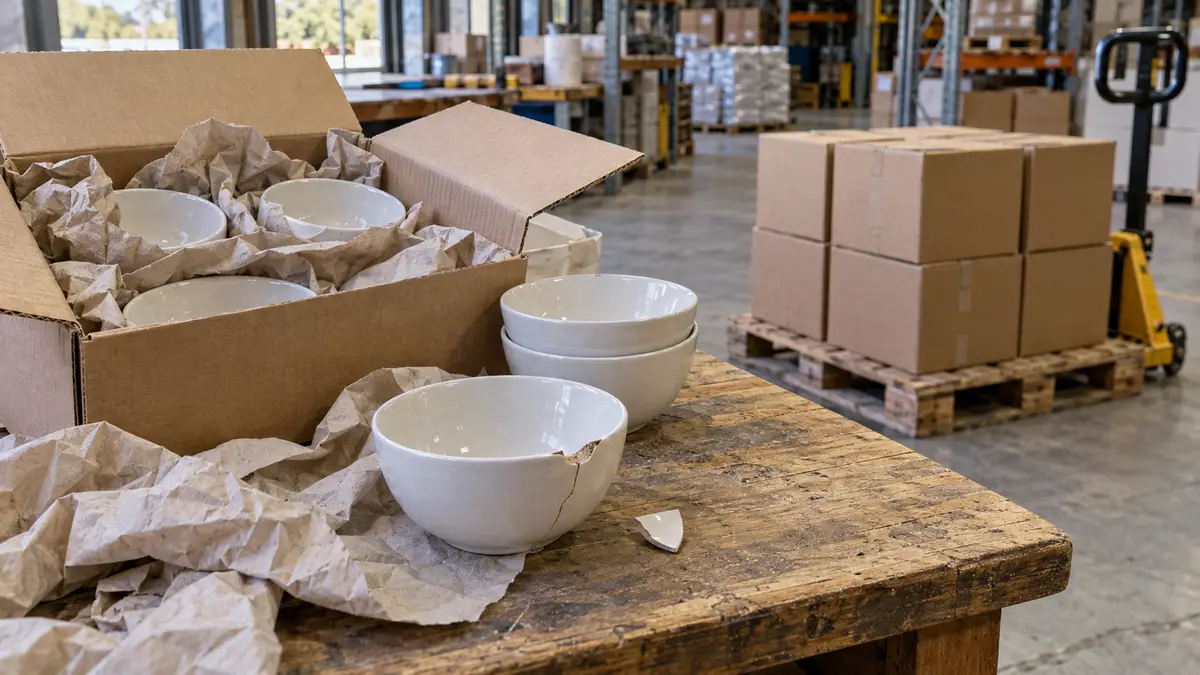
Start with the rejection, then identify the goods
Our guide to goods arriving faulty covers the supplier dispute and basic eligibility. Here, focus on the customs file: HMRC requires the rejected goods to be the same goods as those on the original declaration. A claim is excluded if you knew about the damage or defect when making the sale contract.
Separate the rejected stock. Match carton labels, batch references and quantities to the import entry, invoice and packing list. Record what was opened or tested and why. Ask the supplier to confirm the fault in writing, identifying the affected goods rather than merely agreeing a refund.
Prepare the evidence before anything leaves
Assemble the import invoice, declaration reference, specification, defect photographs, inspection findings and supplier correspondence. HMRC asks for documentary proof of entitlement and a calculation worksheet where only a proportion of the charges is claimed. Ask your customs agent to explain how the rejected stock maps to the claimed amount.
Decide how you will prove the eventual outcome. For a return, ask the agent what export and transport records to retain. For destruction, ask the contractor for an itemised record tied to the quarantined stock. Agree the evidence format before booking either operation.
Check the timetable and HMRC instructions
HMRC states a rejected-import claim deadline of 1 year from notification of the debt. The application must also be submitted at least 48 hours before the goods are packed for re-export or destruction. Treat these as separate checks: the annual deadline does not remove the advance-notice requirement.
Before committing to collection or destruction, ask HMRC or your agent to confirm any examination arrangements, permission requirements and evidence needed for your case. Keep the submission acknowledgement and written instructions. Do not treat submitting a claim as confirmation that every proposed disposal step is acceptable.
Choose the claim route and separate VAT
For an importer with an economic operator registration number whose declaration was made in the Customs Declaration Service, HMRC directs the claim through that service. Ask your agent to confirm the appropriate route for other circumstances. Check who is the importer of record before assuming the supplier should submit your claim.
VAT-registered businesses must handle rejected-import VAT through their VAT return by adjusting input tax, rather than using the rejected-import form or online services. Ask your accountant to reconcile the original import VAT treatment with the adjustment. Use the import VAT guide for the underlying accounting.
Working out your own order? Send us the product on WhatsApp and we reply the same working day: WhatsApp us
Compare return and destruction before booking
Request written estimates for return freight, handling, storage and destruction. Compare these with the duty potentially recoverable and the supplier settlement. Keep the commercial agreement separate from the customs application: a supplier credit note is useful evidence, but should not be your entire claim file.
For disposal planning, use our guide to destroying imported goods. Ask the contractor to identify the material, proposed treatment and documents it will supply. Cambridge China Bridge can coordinate factory correspondence and inspection records through its own staff in China; agree who handles the UK customs application.
Frequently asked questions
Can I destroy faulty imports before claiming?
Submit the application at least 48 hours before packing for re-export or destruction. Confirm HMRC's instructions for your case before acting, and arrange evidence that identifies the goods.
How long do I have to claim rejected-import duty?
HMRC states 1 year from notification of the debt. Check that date with your customs agent rather than counting from when you discovered the defect.
Does a duty refund also refund import VAT?
Check VAT separately. VAT-registered businesses use their VAT return and adjust input tax for rejected-import VAT, rather than claiming it through the rejected-import form or online services.
What evidence should I get from the factory?
Ask for written confirmation of the defect, affected batch and quantities, plus the agreed return or destruction arrangement. Keep this alongside photographs, inspection findings and the original import documents.