De-risking your China supply chain: a practical UK guide
De-risking starts with one short list: the products where a single factory is the only place you can get them and you could not replace it within a season. That list is almost always shorter than the anxiety, and it is the only place worth spending. Cambridge China Bridge audits factories and inspects goods in China with its own staff.
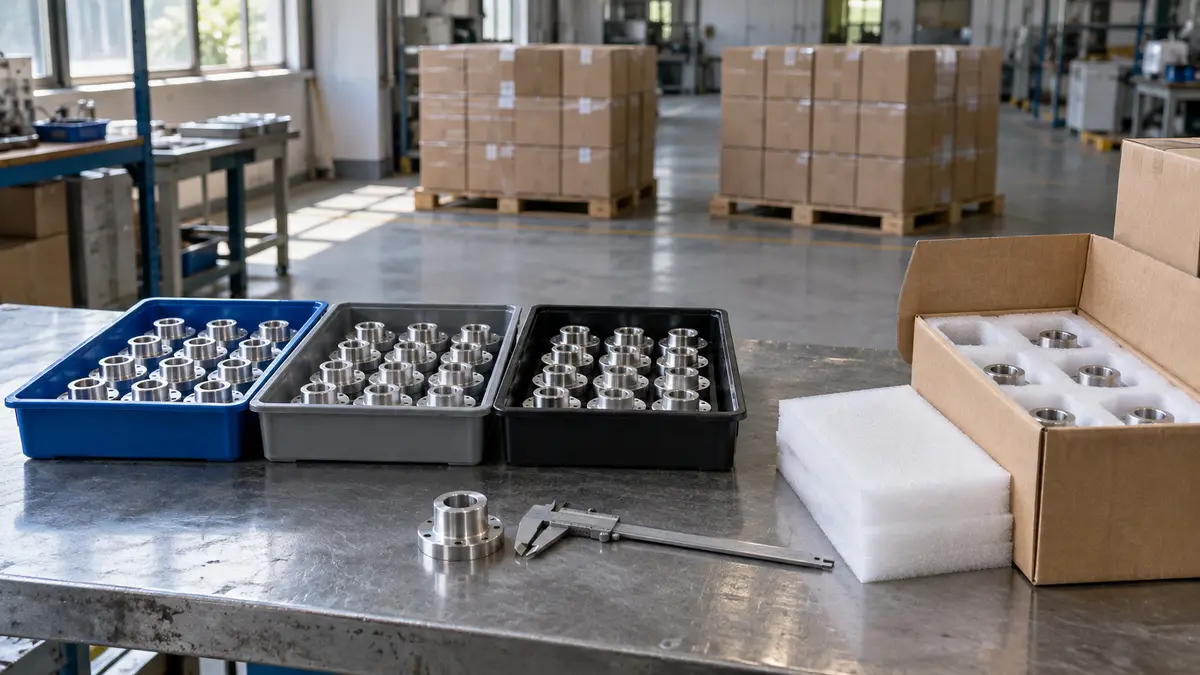
Find the single points of failure first
De-risking sounds like a large strategic exercise. In practice it starts with a short piece of homework: list the products where one factory is the only place you can get them, and mark the ones you could not replace within a season.
That list is almost always shorter than the general anxiety suggests, and it tells you where to spend. Everything else on your range can tolerate a delay, and spending equally across all of it is how resilience budgets get wasted.
For each item on the short list, put a number on a three-month interruption: lost sales, lost customers, contractual penalties. That number is what you are allowed to spend on removing the risk, and it makes the rest of the decisions straightforward.
The cheap measures, which most importers skip
Own your tooling in writing. Not just paid for, owned, with the right to have it released on request and a record of where it is stored. A factory holding your tooling holds your ability to leave, and this single clause is the difference between changing supplier and starting again.
Keep your specification and compliance file complete enough that another factory could quote from it tomorrow. If the only full description of your product lives in one supplier's head and one engineer's drawings, you are more dependent than you think.
Hold buffer stock through the Chinese New Year window, when production stops for weeks and capacity returns gradually. This is the most predictable disruption in the calendar and the easiest to plan around.
Know who your second choice is, even if you never use them. A shortlist you refreshed this year is worth a great deal on the day you need to make a call.
None of these cost much. All of them are usually done after the first crisis rather than before it.
Supplier concentration, and their concentration too
Your dependence is not only on your supplier. It is on their supplier, and often that is where the real single point of failure sits: one component, one specialised coating, one subcontractor doing the plating for an entire district.
Ask where the critical components and materials come from, and whether there is a second source for them. Ask what they subcontract, because plating, printing, moulding and heat treatment are commonly sent out and are invisible in an audit that only looks at the main site. For labour risks at subcontracted sites, see our guide to mapping modern slavery risks.
Ask about their customer concentration as well. A factory that depends heavily on one large buyer is exposed in ways that will reach you, and a factory where your order is a rounding error will deprioritise you when the line is busy.
Financial and operational health
A supplier failing financially is a supply risk, and the signs are usually visible before the failure. Slower responses, requests to change payment terms, pressure for larger deposits, staff turnover in your contact team, deteriorating quality on repeat orders.
Verify the company on the National Enterprise Credit Information Publicity System at gsxt.gov.cn periodically rather than only at the start. Registration changes, name changes and legal disputes are visible there.
And watch for quiet subcontracting, which often signals capacity problems. A second batch that does not match the first is the classic symptom, and it is why agreeing in writing that your order will not be subcontracted without consent matters.
Making a second source real
A second source you have never bought from is not a second source. To be useful it needs a real order, produced against the standard your existing supplier already meets, and repeated often enough to stay warm. For purchasing restrictions, see our guide to exclusive supply agreements.
The trial is the hard part. A new factory quotes keenly and produces attentively for a first order, which tells you very little about the second year. Measure it against your existing standard rather than a fresh specification, and look at consistency across two or three runs rather than at one impressive sample.
For most SMEs the practical shape is asymmetric: keep the bulk where it performs, run a genuine smaller line elsewhere. Splitting fifty-fifty usually weakens your position with both suppliers without buying proportionate resilience.
A larger buyer will also need defined approval owners and evidence gates. The second-supplier qualification guide shows how to move from a shortlist to a controlled pilot without treating a quote as an approved source.
Working out your own order? Send us the product on WhatsApp and we reply the same working day: WhatsApp us
Reviewing it on a schedule
Resilience decays quietly. Contacts leave, factories change ownership, a component gets discontinued, the second source you qualified two years ago stops making your category.
Put a date in the calendar once or twice a year to re-run the short list, refresh the alternatives, and check that the tooling agreement, the compliance file and the specification are still current. It takes an afternoon and it is the difference between a plan and a document. For repeat purchases through a UK seller, see our guide to framework supply agreements.
Adding a factory outside China is one way to spread the risk; our China plus one guide covers when it pays for a UK buyer.
Frequently asked questions
How do I reduce supply chain risk without moving out of China?
Start with the cheap measures: own your tooling in writing with the right to have it released, keep a specification and compliance file another factory could quote from, hold buffer stock over Chinese New Year, and maintain a refreshed shortlist of alternatives. Most of the benefit is available before you consider a second country.
What is the most overlooked supply chain risk?
Your supplier's own concentration. One component, one specialised process or one subcontractor serving a whole district can be the real single point of failure, and it is invisible in an audit that only looks at the main site. Ask what they subcontract and where critical materials come from.
How do I spot a supplier in trouble?
Slower responses, pressure for larger deposits or changed payment terms, turnover in your contact team, quality slipping on repeat orders, and quiet subcontracting. Re-check the company on the official register periodically rather than only when you first engage.
Is a second supplier worth the duplication?
It depends on what an interruption would cost. Put a number on a three-month outage for the products only one factory can make, and spend up to that. For many SMEs the answer is an asymmetric split rather than a fifty-fifty one.
How often should I review this?
Once or twice a year. Contacts leave, factories change hands and qualified alternatives drift out of your category, so a plan you have not refreshed is a document rather than a plan.