Should China imports cross-dock to UK retailers?
Use a UK cross-dock when cleared goods have confirmed onward orders, compatible delivery appointments and enough receiving capacity. Choose storage for unallocated stock or unresolved preparation work. Agree a diversion before dispatch if the connection fails. Share the order and packing brief with Cambridge China Bridge.
Match the route to confirmed orders
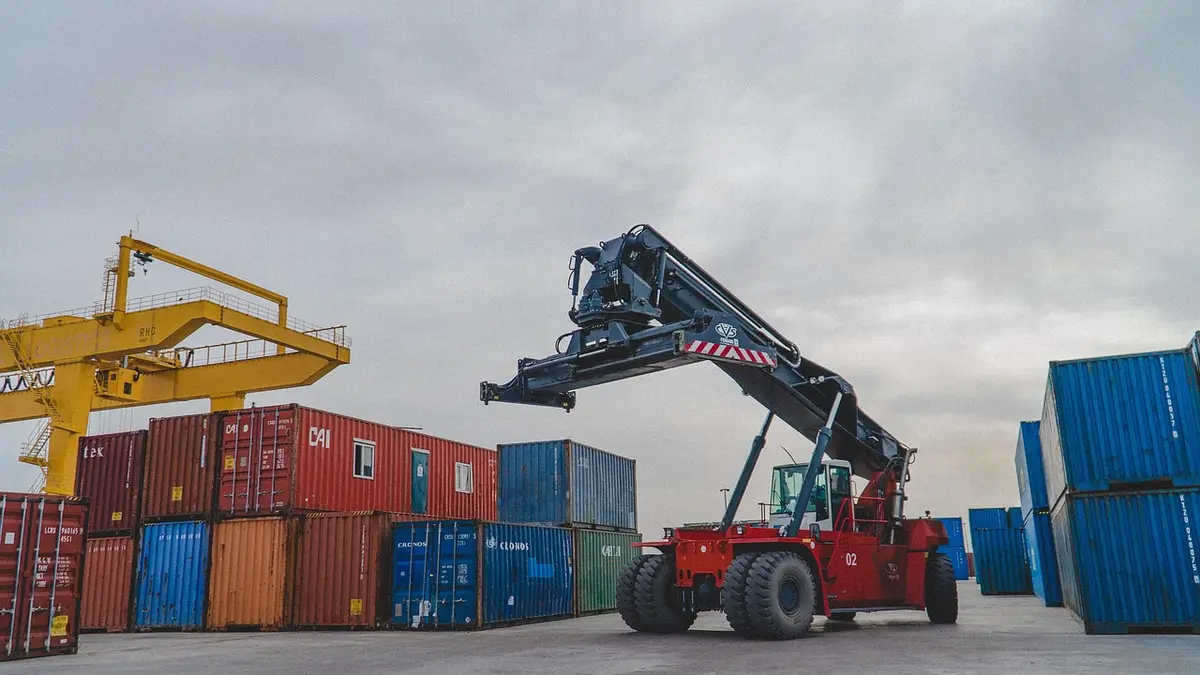
Cross-docking means unloading incoming goods, sorting them for onward delivery and loading outbound vehicles without planned stock storage. Use it when the retailer has confirmed the order, destination, quantities and delivery appointment. A sales forecast or an order awaiting acceptance is a weak basis for committing transport.
Allocate cartons or pallets to each order before collection. Route only the ready allocation through the cross-dock; put unallocated goods into storage. Compare the whole route, including handling, sorting, waiting, redelivery and fallback storage. For the wider facility choice, see choosing a UK warehouse.
Confirm capacity at both receiving points
Ask the cross-dock to confirm space, handling equipment, staff and capacity to sort the actual load during the booked window. Ask the retailer to confirm its appointment reference, accepted vehicle type, unloading arrangements and capacity for the allocated goods. A booking acknowledgement alone does not resolve a mismatch between the load and the receiving site.
HSE guidance says companies involved should agree loading and unloading arrangements in advance. Record who unloads at each handoff and give the haulier the agreed site instructions. Check retailer packing and identification needs using preparing pallets for retailer delivery.
Test the connection before dispatch
Treat customs clearance, cargo availability for collection, cross-dock receipt and retailer acceptance as separate confirmations. Ask the forwarder to confirm that the cleared cargo is actually collectable. Work backwards from the retailer's appointment through outbound loading, sorting, inbound unloading and collection. Allow room for disruption rather than treating the vessel's arrival estimate as a delivery promise.
Name the person who checks progress and the latest decision point for switching routes. Identify what happens if collection is late, unloading reveals damage or sorting takes longer than expected. Keep batch identities and carton counts through each transfer; use container delivery handoffs for the wider transport arrangements.
Book a usable fallback
Agree a fallback receiving site before the goods leave the collection point. Confirm its opening arrangements, available space, handling capability and acceptance of your product type. Obtain the charges and decide who can authorise diversion. A warehouse name without confirmed acceptance is not a usable fallback.
If an appointment becomes unachievable, contact the retailer before sending the vehicle onward. Obtain a revised slot or divert to the agreed site. Record location, quantities, condition and booking status, then rebook delivery. Agree who bears waiting, diversion, storage and redelivery costs, and who checks insurance cover for the changed route.
Working out your own order? Send us the product on WhatsApp and we reply the same working day: WhatsApp us
Give the factory a dispatch-ready brief
Send the order allocation, carton markings, pallet specification and packing list format to the factory before packing. Have your China-side team check these against the retailer brief before shipment. If inspection, relabelling or repacking remains unresolved, use storage with suitable working space rather than making a tight onward connection depend on unfinished work. For the factory packing review, see our trial pallet approval guide.
Issue a shared routing sheet showing destinations, appointments, contacts, allocation, release checks and fallback authority. Reconcile what the cross-dock received and dispatched against what the retailer accepted, including shortages or damage. Keep rejected goods identifiable until you agree their next destination.
Frequently asked questions
Is cross-docking cheaper than storage?
It can avoid planned storage, but compare total handling, sorting, transport, waiting and fallback costs. Use the same load and delivery assumptions for both quotes.
Can I cross-dock part of a China shipment?
Yes, if the cross-dock can identify and separate the confirmed order allocation. Give clear carton or pallet references and route the remaining goods to agreed storage.
What if the retailer delivery slot is missed?
Ask the retailer for a revised appointment and activate the agreed fallback if needed. Confirm the receiving site accepts the goods before diverting the vehicle.
Does customs clearance confirm retailer delivery?
No. Separately confirm cargo collection availability, cross-dock capacity, the outbound vehicle and the retailer's receiving appointment.