Container seal number mismatch: what should I do?
Pause opening and unloading, photograph the fitted seal and container identity, and ask the forwarder for a documented explanation linking the original seal to its replacement. Check customs status before agreeing a witnessed opening and cargo reconciliation. Ask Cambridge China Bridge to retrieve the China loading evidence.
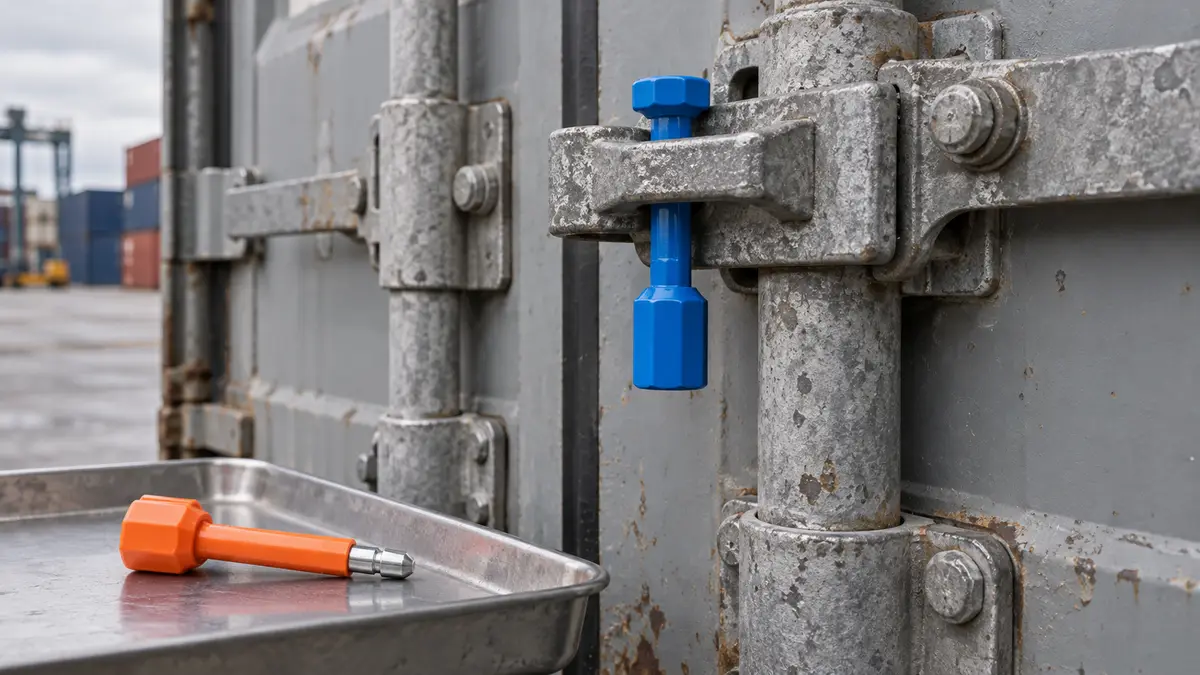
Preserve the discrepancy before opening
Ask the delivery team to leave the seal intact while you investigate. Photograph its readable number, attachment, container number, doors and visible damage. Record arrival time, location and who observed the discrepancy. Compare the physical seal with the loading report, bill of lading or sea waybill, and delivery paperwork. Check for a transcription error or an outdated document before assuming interference.
Write the actual seal number and the mismatch on the delivery record. Avoid confirming contents or condition that you have not checked. Contact the forwarder, carrier and seller through established channels. Use the China loading check guide to identify the departure evidence to retrieve.
Verify the reason for a seal change
A mismatch alone does not prove theft. An inspection or documented operational intervention may explain a replacement. Ask for the original and replacement seal numbers, container identity, reason, place, time, organisation involved and person authorising the change. Request the examination record, carrier or terminal incident report, photographs and updated shipping record where available.
Verify the explanation with the organisation said to have changed the seal, using a known contact. A seller's message saying “customs opened it” is insufficient evidence. Preserve the original documents alongside corrections so the sequence remains visible. For a customs examination explanation, consult what to do during a UK customs examination.
Check customs status before cutting
Ask the customs agent whether the goods remain under customs control and whether any fitted seal is an official customs seal. HMRC says recipients of goods secured by an official customs seal must inform their local HMRC control office as soon as the goods arrive. Unless you are an authorised consignee, prior customs approval is required to remove an official seal.
For unauthorised seal breakage within HMRC's customs-sealing guidance, obtain a customs officer's permission before removing or unloading the secured goods. Do not treat a driver's request or a carrier's delivery instruction as customs permission. If customs status or seal type is unclear, keep the container closed while the agent obtains instructions.
Agree a controlled opening at delivery
Once customs restrictions are resolved, agree the opening plan with the warehouse and haulier. Notify the insurer of the discrepancy and ask whether a surveyor should attend before evidence is disturbed. Name the person approving opening, the operator and witnesses. Prepare photographs, a cargo tally and an exception record. Use the container delivery guide for site preparation.
HSE guidance calls for checks before unloading that cargo has not shifted and will not move or fall when restraints are removed. Have the receiving team assess how to open safely, keep unnecessary people clear and stop if doors appear under pressure or cargo is unstable. Record the seal before cutting, retain the removed seal, and photograph cargo as first exposed before moving it.
Working out your own order? Send us the product on WhatsApp and we reply the same working day: WhatsApp us
Reconcile cargo and keep the case open
Compare received cartons, product variants, markings and condition with the packing list and loading evidence. Separate suspect or damaged goods from available stock. Record what was checked and what remains unknown. If shortages emerge, follow the missing cargo guide rather than treating a corrected seal record as proof that the shipment is complete.
Send the evidence pack to the seller, forwarder and insurer promptly, and ask them to confirm the applicable notification process and deadlines. Close the seal discrepancy only when the change is explained and cargo findings are recorded. Cambridge China Bridge's staff in China can help retrieve factory loading photographs and ask the factory to reconcile its dispatch records.
Frequently asked questions
Does a different container seal mean theft?
No. It may reflect a recording error or a documented replacement. Preserve the fitted seal and verify the change history; neither a mismatch nor an intact replacement proves what happened to the cargo.
Can I cut the seal if the driver says it is OK?
Check customs status first. Unless you are an authorised consignee, an official customs seal needs prior customs approval for removal. A driver's agreement does not replace that approval.
What proof should I ask for after a seal change?
Ask for the original and replacement numbers, matching container identity, reason, time, location, authorising party and supporting examination or incident record. Verify it through an established contact.
Should I refuse delivery because the seal differs?
Pause opening while you establish the facts. Agree safe holding or a controlled opening with the forwarder and receiving team, subject to customs instructions. Record the discrepancy and consult the insurer before disturbing evidence.