Do UK buyers need extra cargo insurance?
Arrange cargo insurance if the existing cover leaves a loss your business cannot absorb. Carrier liability insurance does not insure the goods themselves, and supplier-arranged cover needs checking against your exposure. Check the policy before dispatch. Ask Cambridge China Bridge to help gather shipment and packing records.
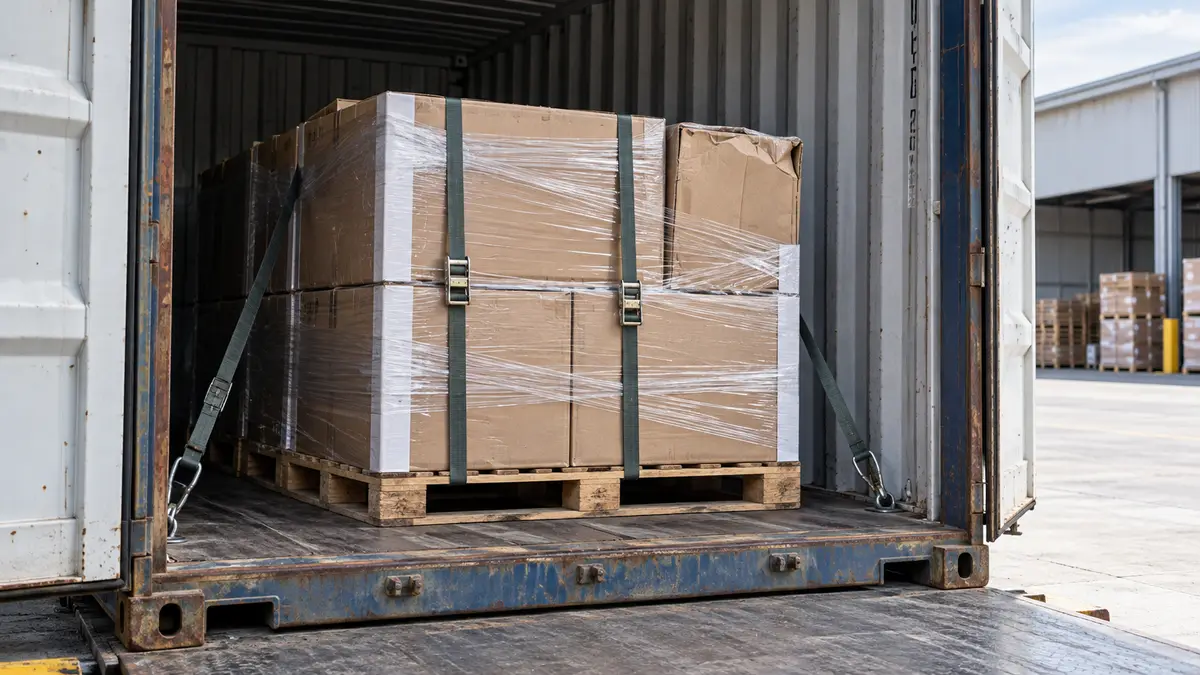
Decide whether existing protection is enough
Do not treat a carrier's liability policy as insurance for your goods. Ask the forwarder for its trading conditions, compensation limits and claim requirements, then compare the potential recovery with the loss your business could absorb. Ask an insurance broker to explain any remaining gap.
Supplier-arranged insurance may already provide suitable protection, so check it before buying overlapping cover. Under CIF, the supplier pays for insurance but risk passes when goods are loaded in China, as our Incoterms guide explains. Request the certificate, schedule, full wording and endorsements before dispatch.
Match the insured interest and value
Ask the broker to confirm whose financial interest is insured and who can submit a claim and receive payment. Match the insured business name to your purchasing arrangement. If the supplier holds the policy, ask how your interest is covered and what documents you need to claim directly.
Agree the valuation basis rather than copying the factory invoice automatically. Ask whether freight, duty, replacement transport and other agreed costs belong in the insured value, and how recoverable VAT is treated. Check currency, excess, shipment limits and any shared limits when several suppliers' goods travel together.
Check the whole route and the actual goods
Describe the goods, packaging, route and handling to the broker. Ask where cover starts and ends, including factory collection, loading, consolidation, temporary storage, transhipment, customs delays, final delivery and unloading. Confirm what happens if the destination or route changes, or goods remain in storage.
Ask for written confirmation of cover for the losses relevant to your cargo: theft, missing packages, breakage, water damage, condensation or temperature damage. For sea shipments, ask about general average contributions and security arrangements; see our general average guide. A description such as all risks still needs its exclusions checked.
Read exclusions alongside packing conditions
Ask the broker to identify exclusions or restrictions for inadequate packing, the goods' own tendency to deteriorate, wear, rust, leakage, electrical or mechanical failure, and used goods. Check war, strikes, sanctions and unattended-vehicle conditions where relevant. Ask whether an extension is available for an exposure you cannot accept.
Ask specifically about delay, lost sales, production stoppages, supplier defects and non-compliant products. Do not budget for a payout without written confirmation of the relevant cover. Agree packing requirements before production, and retain photographs and inspection records showing how the actual shipment was protected.
Working out your own order? Send us the product on WhatsApp and we reply the same working day: WhatsApp us
Make the claim process usable before dispatch
Get the insurer's claim contact, notification deadlines, survey requirements and evidence checklist before shipment. Ask about separate carrier notice deadlines, concealed damage, shipment declarations and notification of route changes. Assign someone to record dispatch and receipt, keep documents together and report a problem promptly.
On arrival, photograph packaging, seals and damage, record exceptions on delivery paperwork and preserve affected goods and packing where safe. Ask the insurer before disposal, repair or salvage, and seek instructions on limiting further loss and preserving recovery claims. Use our transit damage guide for the arrival response.
Frequently asked questions
Does the carrier's insurance cover my goods?
Carrier liability insurance does not insure the goods themselves. Request the carrier's terms and ask a broker whether a separate cargo policy is needed for your exposure.
Do I need cargo insurance if I buy CIF?
Check the supplier's actual policy first. Confirm the insured interest, route, value, exclusions and direct claim arrangements. Buy additional cover only after identifying the gap.
Does all risks cargo insurance cover everything?
Read the exclusions and endorsements. Ask specifically about packing, deterioration, delay, temperature damage, war and strikes, rather than relying on the policy's description.
What documents should I keep for a cargo claim?
Ask for the insurer's checklist. Keep the policy, invoice, packing list, transport documents, dispatch and receipt records, photographs, delivery exceptions and survey correspondence.