Imported goods arrived damaged: what should I do?
Record visible damage on the delivery receipt, photograph the shipment before unpacking and separate affected goods. Notify the carrier and cargo insurer promptly in writing, then ask about survey arrangements and applicable deadlines. China-side packing and loading records can be requested from Cambridge China Bridge.
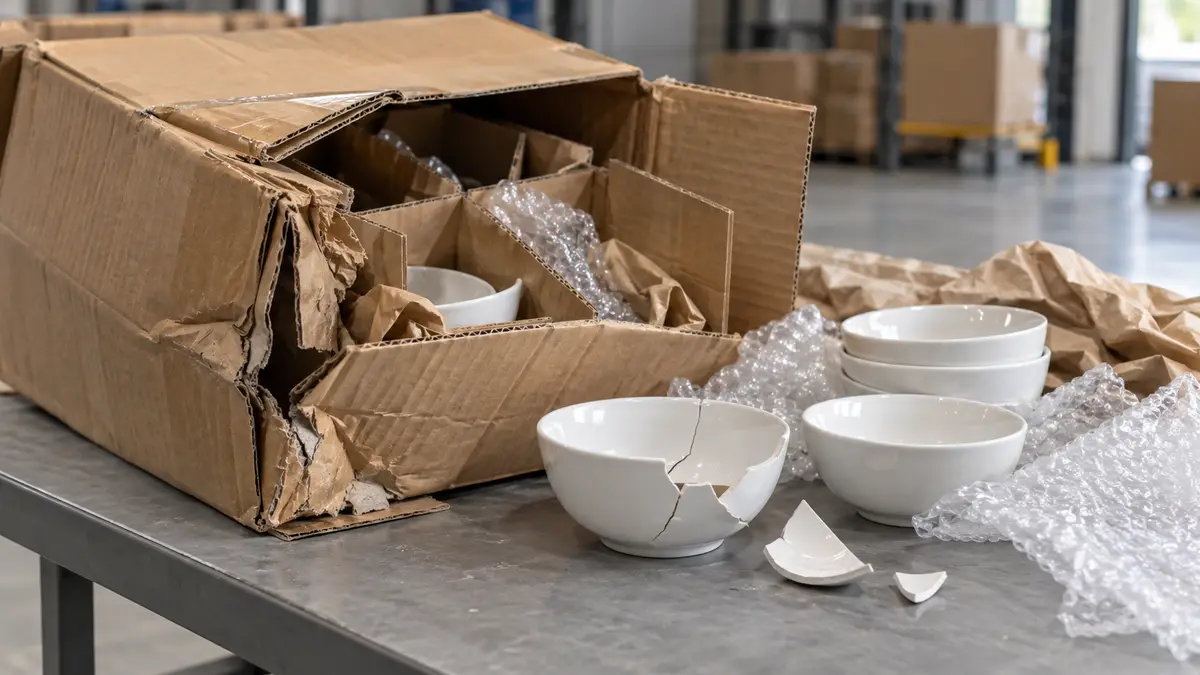
Record what you see at delivery
Before signing, inspect accessible cartons, pallets and wrapping. Write specific observations on the delivery receipt, such as crushed carton corners, torn wrapping or wet packaging, and identify the affected packages. Avoid relying only on “unchecked”. Ask the driver to acknowledge the observations and retain a copy or photograph of the completed receipt.
If the delivery device cannot record damage, photograph its screen where practical and immediately email the delivery company your observations and shipment reference. Record any refusal to acknowledge damage. If damage appears only during unpacking, record when it was discovered and notify the transport contacts promptly. For damage to your home, see our guide to damage caused by delivery crews.
Build a photographic trail
Photograph the overall load, then the affected pallet or carton, its identifying label and the damage close up. Where accessible, capture the container identifier, seal, doors and cargo position before unloading changes the scene. Keep original files and a receiving log showing who took the photographs, when and where.
Photograph unpacking so the outer packaging, cushioning and damaged product can be connected. Record affected quantities against the packing list, including goods not yet examined. Compare arrival evidence with the container loading check, but keep observed facts separate from assumptions about where the damage occurred.
Notify the carrier and insurer separately
Send a written damage notice to the carrier identified on the transport document and the delivery company; copy the freight forwarder and seller. Separately notify the cargo insurer or the claims contact on the insurance certificate. Ask for acknowledgement and a claim reference from each. Do not wait for a final valuation or survey before reporting the damage.
Include shipment and transport references, delivery and discovery details, observed damage, affected quantities so far, photographs and the delivery receipt. Say that the extent and cause remain under investigation, request survey attendance and explain that a quantified claim will follow. Obtain the applicable notice, claim and legal action deadlines from the transport documents, policy and advisers; keep separate reminders.
Check the actual cargo policy rather than assuming the forwarder’s insurance covers your stock. Government guidance distinguishes liability insurance from insurance of the goods themselves. Use the delivery terms guide to check the agreed allocation of risk between buyer and seller.
Preserve goods and arrange survey evidence
Separate affected stock and retain packaging, labels and damaged components. Take reasonable steps to prevent further deterioration, recording actions and costs. Avoid repair, disposal or salvage sale before asking the insurer for instructions, unless urgent action is needed for safety or to prevent further damage. Photograph the condition before any necessary movement. For packing and movement planning, see our guide to safe manual handling of imports.
Ask the insurer whether it will appoint a surveyor, what scope is needed and how fees will be handled. Invite the carrier to attend the proposed inspection and retain the invitation and response. Ask the report to identify the shipment, inspection circumstances, packaging condition, damage extent, likely cause and its limitations, and repair or salvage options. A factory inspection report describes a different stage of the journey.
Working out your own order? Send us the product on WhatsApp and we reply the same working day: WhatsApp us
Assemble the claim without mixing remedies
Keep the invoice, packing list, transport document, cargo policy or certificate, delivery receipt, notices, photographs, survey report and correspondence together. Support the claimed loss with affected quantities, repair quotations and records of reasonable protective costs. Distinguish estimates from invoices and record any supplier credit or salvage proceeds.
Use the faulty goods and rejection guide for the separate seller and duty repayment questions. Do not assume a transport damage notice also communicates rejection to the seller. Ask Cambridge China Bridge for available factory packing, inspection and loading records to compare with the arrival evidence.
Frequently asked questions
What should I write on a damaged delivery receipt?
Describe the visible damage and identify affected packages. Record crushed cartons, torn wrapping or wet packaging rather than only “unchecked”. Keep a copy and send a separate written notice.
What if I discover damage after signing for delivery?
Photograph unpacking, retain packaging and record when you found the damage. Notify the carrier and cargo insurer promptly and ask advisers to check the applicable deadlines.
Should I wait for a survey before notifying the insurer?
Report the damage promptly with the evidence available. Explain that the extent is still being assessed and ask the insurer about appointing a surveyor and retaining the goods.
Can I throw away damaged goods and packaging?
Keep them for inspection where safe. Ask the insurer for instructions before disposal. If urgent protective action is necessary, photograph the condition and record what you did and why.