How to check appliance plugs before GB supply
Before GB supply, match the fitted plug to its approval evidence, inspect its installation and verify the fuse. A non-UK plug needs a compatible approved conversion plug already correctly fitted. Assess exceptions against the intended connection. Factory evidence and production checks can be coordinated by Cambridge China Bridge.
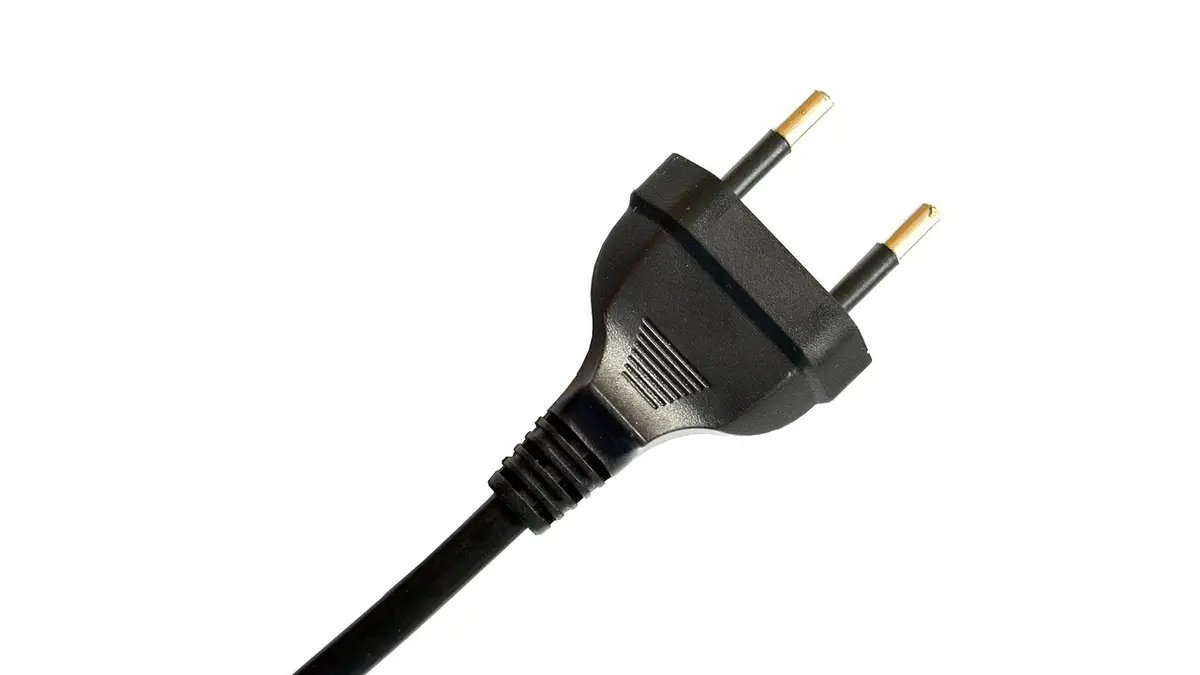
Identify the appliance and intended connection
For domestic equipment with a flexible lead intended for a BS 1363 mains socket, the Electrical Equipment (Safety) Regulations require a correctly fitted standard plug or the specified non-UK plug and conversion-plug assembly. Start with the actual appliance, lead and intended socket. Our electrical import rules guide covers the wider product obligations.
Ask the factory for photographs of the complete assembly, appliance rating plate, plug model, fuse markings and packaging. Put those identifiers into the purchase specification. Avoid accepting a catalogue photograph or approval document for a different plug manufacturer.
Verify approval and fitting of a standard plug
A standard plug must be of an approved type whose approval has not been cancelled under the Plugs and Sockets etc. (Safety) Regulations. Ask for the approval document and confirm the exact manufacturer and model with the issuing body. A familiar shape or a printed standard reference alone does not establish that match.
Have a competent inspector check the fitted assembly against its approved construction and fitting instructions. Include the cord grip, cable entry, pin condition, enclosure and wiring where accessible. Keep photographs tied to the production batch. Plug approval and correct installation are separate checks. For appliance testing, see our guide to small appliance reliability screening.
Check the complete conversion-plug assembly
The non-UK plug must conform to the safety provisions of IEC 884-1 and be correctly fitted with a compatible conversion plug. The conversion plug must have uncancelled type approval for use with a qualifying non-UK plug. Match the approval scope to the actual plug combination, rather than accepting a generic adaptor certificate.
Inspect appliances as packed for supply: the conversion plug must already be correctly fitted, rather than supplied loose for the customer to attach. Ask the inspector to check enclosure, retention and assembly against the approved design and fitting instructions. Specify this assembly explicitly instead of merely ordering a travel adaptor.
Obtain fuse evidence before release
A standard plug must contain or be accompanied by a fuse link conforming to BS 1362. For the conversion route, the electrical equipment regulations expressly require a fitted BS 1362 fuse link rated according to the equipment manufacturer's instructions. For your appliance order, specify the fitted fuse and obtain the manufacturer's written rating instruction.
Request the fuse maker, model, conformity evidence and supply traceability, then compare these with production samples. Markings and photographs help identify the fuse but cannot establish its internal construction. Ask a competent laboratory to resolve doubtful evidence. Use our quality inspection guide to organise batch checks and record unresolved findings before release.
Working out your own order? Send us the product on WhatsApp and we reply the same working day: WhatsApp us
Assess exceptions using the intended supply
The lead-and-plug requirement is conditional on intended connection to a BS 1363 socket. For a hardwired appliance or equipment intended for a shaver supply socket, document the intended connection and obtain a competent assessment before accepting an exception. A product description such as ‘shaver’ is insufficient evidence of that connection.
Direct plug-in equipment without a mains lead still has an express requirement to be compatible with BS 1363 socket outlets when intended for that connection. Record the applicable route and supporting assessment in the product file. Keep broader marking and documentation checks alongside this review using our CE and UKCA guide.
Frequently asked questions
Can I supply an appliance with a loose UK adaptor?
For the non-UK plug route described here, the compatible conversion plug must be correctly fitted. Supplying it loose for the customer to attach does not meet that fitting requirement.
How do I check whether a UK plug is approved?
Obtain the type approval document, match its manufacturer and model to the fitted plug, and confirm its scope and status with the issuing body. Then inspect the actual installation.
What fuse evidence should I ask the factory for?
Ask for the fuse maker and model, BS 1362 conformity evidence, supply traceability and the appliance manufacturer's rating instruction. Compare these with the fuse fitted to production samples.
Are shavers and hardwired appliances exempt?
Assess the intended connection. The lead-and-plug rule addresses connection to a BS 1363 socket; document a different connection and obtain a competent assessment instead of relying on the product name.