Buying Chinese car or van modification parts
Before ordering, have a competent installer assess the exact parts on your car or van. Resolve roadworthiness, any vehicle-approval or DVLA steps, and obtain written insurer acceptance of the proposed changes and vehicle use. Match the delivered parts to that agreed specification. Discuss factory checks with Cambridge China Bridge.
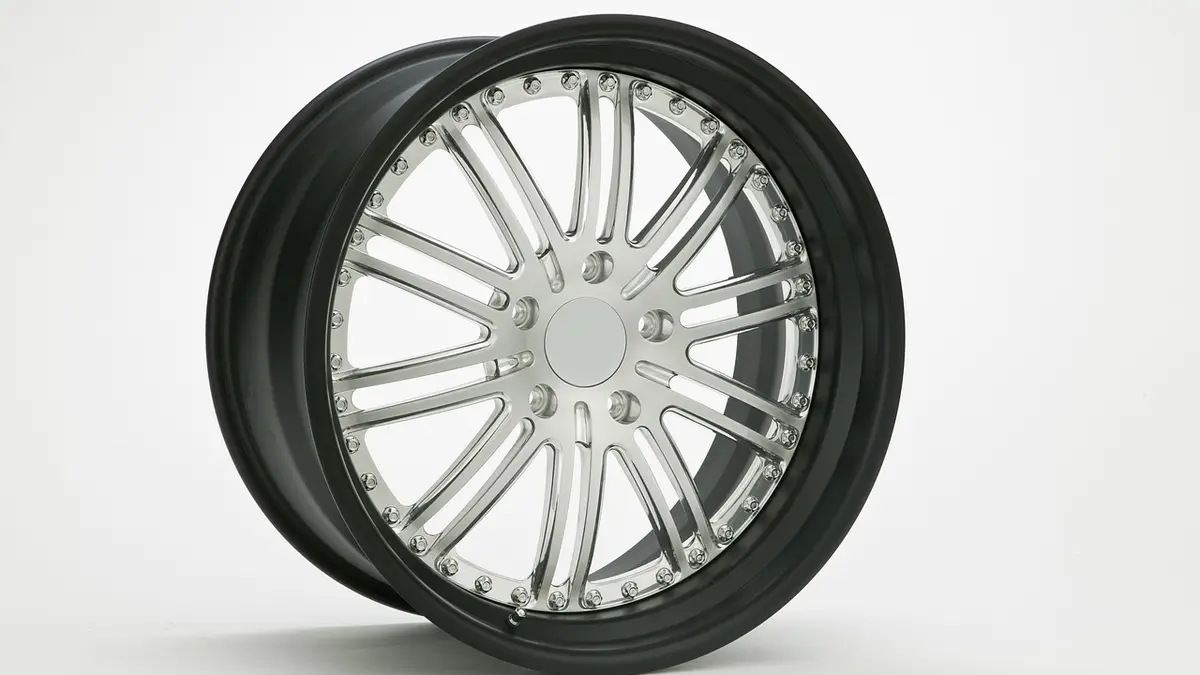
Get an installer’s assessment before ordering
Give a competent installer your vehicle identification details, exact variant, existing modifications and intended use. Send the proposed part drawings, materials, mounting arrangements and installation instructions. Ask for a written assessment of compatibility, supporting changes, testing and total fitted cost. A supplier’s model list is a starting point for this review.
For structural modifications, DVLA guidance says the work should only be carried out by someone with the relevant engineering knowledge to modify the vehicle safely. Ask the installer about experience with comparable work and whether they will accept responsibility for fitting parts you supply. Resolve missing technical information before paying a deposit.
Check the finished vehicle’s roadworthiness
A vehicle can be unsafe even with a current MOT certificate. Ask the installer to assess the finished combination, including wheel and tyre clearance, suspension travel, braking balance, steering, lights, visibility and load capacity where relevant. For exhaust or engine changes, ask them to review noise, emissions and interactions with existing controls. For dashcam installation, see our UK car dashcam buying checks.
Request evidence for the exact part and configuration, then have the installer identify any applicable component requirements. Use our test-report verification guide for checking documents. Agree the fitting checks, alignment, calibration and functional tests needed before road use, and obtain a written installation record. Treat a seller’s ‘track use’ description as a reason to investigate suitability.
Establish any DVLA notification steps
You must tell DVLA if you make a structural modification to a vehicle. If the proposal involves cutting, drilling or changing load-bearing parts, ask a specialist to classify the work against current DVLA guidance before ordering. Keep photographs of the original vehicle and identification markings, drawings, invoices and a record of the changes.
Separately, ask which proposed changes affect the vehicle logbook, including changes involving the engine, fuel, seating or body type. Identify the notification route and supporting documents for your particular conversion. DVLA will tell you if it needs to inspect the change. Build the paperwork and possible inspection work into your purchase plan.
Check whether vehicle approval is needed
Some vehicles do not need vehicle approval. For a conversion or substantial alteration, ask an approval specialist whether statutory Individual Vehicle Approval is needed and what evidence the finished vehicle would require. Confirm the applicable process with the relevant vehicle approval authority before committing to parts or irreversible work.
Ask the specialist to explain the distinction between an approval application, any voluntary safety inspection and DVLA registration paperwork for your case. Request a written plan covering component evidence, installation records and checks after fitting. This guide focuses on Great Britain; discuss a Northern Ireland vehicle separately.
Obtain written insurer acceptance
You must have motor insurance to drive on UK roads. Before buying, send your insurer the exact proposed modifications, including cosmetic changes, performance changes and van fittings. Describe the vehicle’s intended business and personal use. Ask for written confirmation that it will accept the finished specification and when that acceptance takes effect.
Check any conditions, exclusions, excess changes and whether the imported parts themselves are covered. Read your policy’s notification terms and ask for updated policy documents where appropriate. Make satisfactory written acceptance a purchase condition. If the specification changes during sourcing or fitting, send the revised details to the insurer before road use.
Working out your own order? Send us the product on WhatsApp and we reply the same working day: WhatsApp us
Turn the assessment into a sourcing brief
Put the installer-reviewed specification into the order: part identity, material, dimensions, fixings, finish, instructions and agreed evidence. Require your written agreement to substitutions. Our factory audit guide covers supplier capability; add checks specific to the proposed vehicle parts rather than treating a factory audit as an installation assessment.
Agree what happens if delivered parts fail the installer’s acceptance checks, including responsibility for return freight and removal costs. Follow our pre-payment checks for supplier and shipment evidence. Cambridge China Bridge has its own staff in China to check the factory and goods against your brief; arrange the UK vehicle assessment separately.
Frequently asked questions
Can I fit Chinese modification parts to my own car?
Have a competent installer assess the exact parts and vehicle before ordering. Resolve roadworthiness, any approval or DVLA steps, and written insurer acceptance before road use.
Does an MOT pass prove my modifications are safe?
A current MOT certificate does not guarantee that the vehicle is safe. Ask for checks of the completed installation and its effects on related systems.
Do I need to tell DVLA about car modifications?
Structural modifications must be notified to DVLA. Ask a specialist to classify the proposed work and review any changes affecting the vehicle logbook.
Should I tell my insurer before buying modification parts?
Yes. Send the exact proposal and intended vehicle use, then ask for written acceptance and any policy conditions before committing. Recheck acceptance if the specification changes.