Sourcing Woven Bridal Veils from China
Woven bridal veils from China carry a flat 8% UK import duty across the fibre categories in heading 6214, with no anti-dumping or countervailing duty recorded. Fibre composition must be labelled; confirm the appropriate fibre names with Trading Standards. Confirm the fabric construction before choosing a code. Cambridge China Bridge sources woven bridal veils.
Buying from China for a business? How our UK China sourcing agent service works · China sourcing agent for small orders and first imports
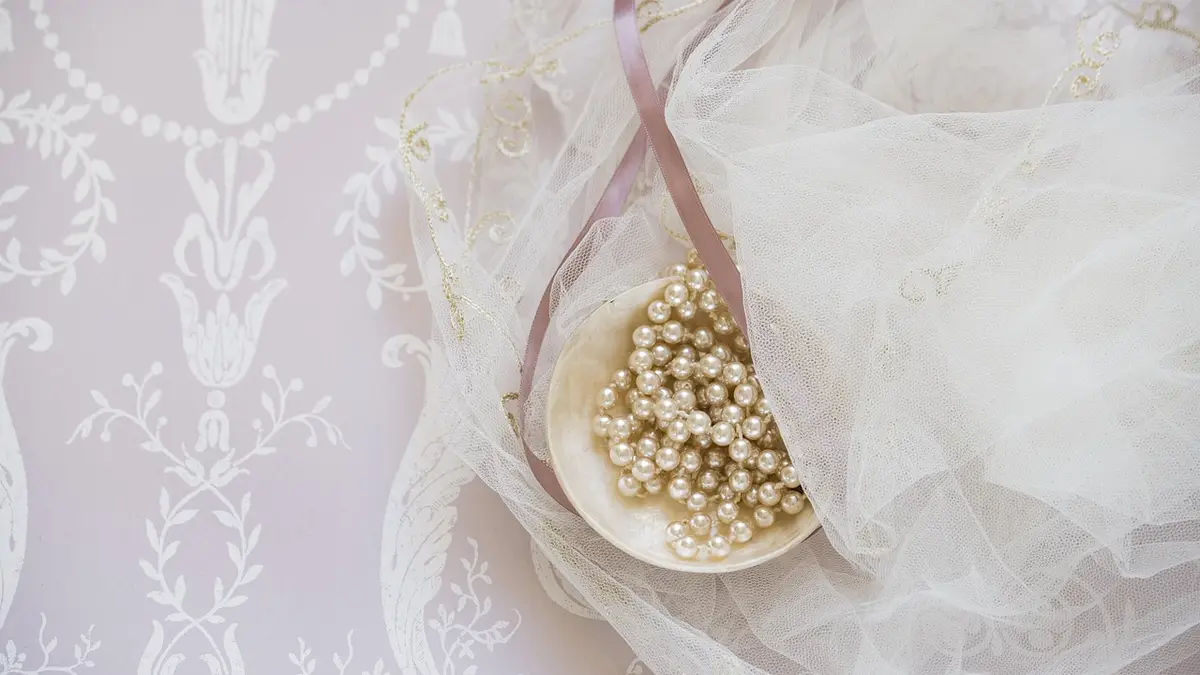
A flat 8% duty on woven bridal veils
Read from the UK Trade Tariff on 2 October 2026, heading 6214 covers shawls, scarves, mufflers, mantillas, veils and similar articles. This guide covers woven bridal veils within that heading. Every supplied commodity line carries 8% duty for goods from China, with no anti-dumping or countervailing measure and no suspension recorded.
The tariff attaches cat and dog fur import and export controls and seal-product import controls. Cat and dog fur products are banned from import and export. Imported seal products face a market prohibition with exceptions; confirm any exemption and attesting-document requirements with your customs broker. CITES import controls also appear on the wool, fine-animal-hair and other non-cotton textile lines, with export controls on some lines. Listed species require permits; confirm species and shipment documents before ordering animal-derived materials.
Confirm the commodity code from the fabric construction, fibre composition and applicable hand-made distinction. Do not assume that fabric sold as tulle is woven. Ask for a fabric sample and construction details before using these rows. See the scarves and shawls guide for the wider heading.
| Goods | Commodity code | Duty | Anti-dumping or countervailing duty on China |
|---|---|---|---|
| Woven bridal veils of silk or silk waste, hand-made | 6214 10 00 10 | 8% | None |
| Woven bridal veils of silk or silk waste, other | 6214 10 00 90 | 8% | None |
| Woven bridal veils of synthetic fibres, hand-made | 6214 30 00 10 | 8% | None |
| Woven bridal veils of synthetic fibres, other | 6214 30 00 90 | 8% | None |
| Woven bridal veils of artificial fibres, hand-made | 6214 40 00 10 | 8% | None |
| Woven bridal veils of artificial fibres, other | 6214 40 00 90 | 8% | None |
Specify the veil fabric, fall and attachment
Specify fibre composition, weave, softness, transparency, colour and the approved fabric sample. Record finished length, width, layer arrangement, face-covering section, gathering and how the veil falls when worn. Define the edge finish, lace placement, embroidery backing and bead attachment. Agree the comb material, tooth finish, attachment position and stitching, plus packing that protects the comb without creasing the fabric.
A silk claim must match the material. Test bulk fabric before printing labels. Consumer products sold in Great Britain must be safe in normal or reasonably foreseeable use. Review the finished veil for sharp comb teeth, exposed wire and insecure decorations, and agree checks for these features with the factory.
Worked duty example
Illustrative example, not a quote: 500 woven synthetic-fibre bridal veils; illustrative order, not a quote under 6214 30 00 90, invoiced at £6,000 free on board, with £500 of freight and insurance to the UK. The customs value is £6,500. Duty at 8% is £520. Import VAT at 20% is charged on the customs value plus duty, £7,020, so it is £1,404. Import taxes total £1,924; a VAT-registered importer can usually reclaim the VAT, so the lasting cost is the £520 of duty. The import duty and VAT guide explains each step.
Inspection checklist
Fabric and shade: compare bulk fabric with the approved sample over the intended dress colour; check fibre evidence, transparency, drape, snags and shade differences between layers.
Shape and edges: measure finished dimensions and layer positions against the order; check symmetry, smooth hems, lace joins, embroidery puckering and loose threads.
Comb and decoration: check tooth surfaces, exposed wire, attachment stitching and bead security using the handling and pull checks agreed before production.
Labels and packing: check composition labels against fabric evidence; unpack samples to inspect creasing, snagging and comb damage. Use the inspection guide to define the shipment checks.
Working out your own order? Send us the product on WhatsApp and we reply the same working day: WhatsApp us
What goes wrong
An ivory sample can be replaced by bulk fabric with a different undertone, making the veil look mismatched against the dress. Heavy lace can distort the fall, dense embroidery can pucker thin fabric, and uneven gathering can pull the veil sideways. Approve the finished veil on a wearer or display head, then compare bulk against that sample.
Comb teeth and exposed attachment wire can snag the fabric during packing. Beads can loosen when folded, while tightly compressed cartons can leave persistent creases. Agree protective packing and inspect veils after unpacking, rather than accepting photographs of neatly folded goods.
Cambridge China Bridge sources these products for UK businesses, checking the factory and the documents before shipment. See factory verification. For own-brand ranges, see sourcing for brands.
Frequently asked questions
What is the UK import duty on woven bridal veils from China?
The supplied tariff snapshot shows 8% duty across heading 6214, with no anti-dumping or countervailing duty and no suspension recorded.
Does every tulle bridal veil belong in heading 6214?
Confirm the actual fabric construction before using heading 6214. Request a sample and construction details rather than relying on the supplier's description of tulle.
What must a woven bridal veil label show?
A silk claim must be true; check bulk-fabric evidence before approving labels.
What should I check before accepting a veil shipment?
Compare shade and drape with the approved sample, measure the finished shape, inspect lace and embroidery, check comb and bead attachments, and unpack samples for creases and snags.