Sourcing wood veneer fruit punnets from China
Wood veneer fruit punnets from China carry 0% UK duty under the wooden packing line, with no listed trade remedy. Food-contact safety matters, and raw wood no thicker than 6mm is exempt from the wood packaging treatment rules. Check every wooden component. Cambridge China Bridge sources wood veneer fruit punnets.
Buying from China for a business? How our UK China sourcing agent service works · China sourcing agent for small orders and first imports
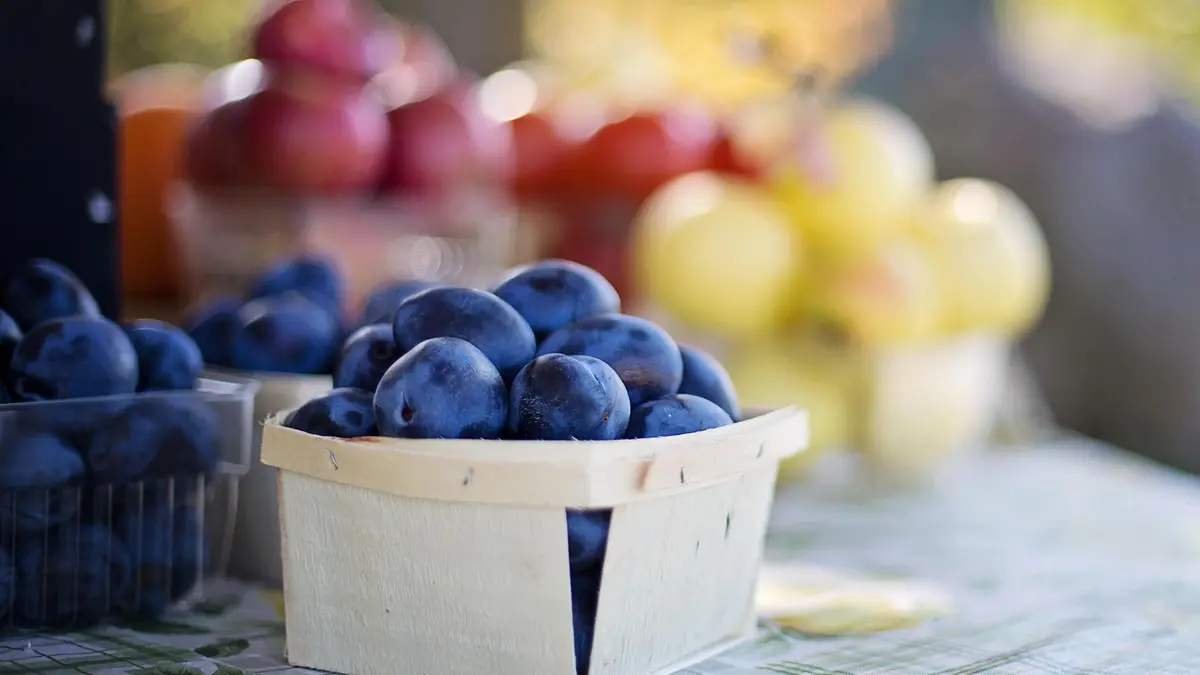
Zero duty on wood veneer fruit punnets
Read from the UK Trade Tariff on 30 September 2026, heading 4415 covers wooden packing cases, boxes, crates, drums and similar packings, alongside cable drums and pallets. Wood veneer fruit punnets belong within the packing family. The table shows punnet variants sharing 4415 10 10 00, rather than separate tariff lines. See our wooden pallets and crates guide for the wider heading.
The supplied tariff record gives 0% duty for goods from China, with no listed anti-dumping or countervailing duty and no suspension. It attaches a CITES import control. For punnets made from wood covered by CITES, permits or certificates and a designated entry point are required; present the documents to customs. Ask your broker to check the species and product coverage. The record also contains CITES and cultural-object export controls; these are export entries.
Confirm the commodity code using the finished punnet, its material and its packing function. Send your broker photographs and the construction drawing, including any liner or coating. This guide concerns empty punnets, rather than fruit imported inside them.
| Goods | Commodity code | Duty | Anti-dumping or countervailing duty on China |
|---|---|---|---|
| Rectangular wood veneer fruit punnets | 4415 10 10 00 | 0% | None |
Specify the veneer, fruit contact and stacking fit
Specify the wood species, veneer thickness, internal dimensions, rim shape, base construction, ventilation gaps and fastening method. Name the fruit, intended fill weight, contact duration and chilled storage conditions. Agree how nested empty punnets separate and how filled punnets fit the transport tray. Approve a sample filled with your actual fruit.
Food-contact materials must be safe and suitable for their intended use. Ask for evidence covering the finished punnet, including any glue, ink, coating or liner, under the intended fruit-contact conditions. Use testing and certification support to agree suitable checks before production.
The wood packaging rules exempt raw wood that is 6mm thick or less. Measure the base and rim as well as the side veneer; a thin sidewall alone does not establish the exemption. Solid wood shipping pallets must meet the applicable treatment and marking requirements independently of the punnets.
For wooden packing imported as products, confirm with the relevant authority or your customs broker whether timber legality due diligence applies. Gather the species, country of harvest and legality documents, assess the risk and retain the records. If packaging is used only to carry other goods, ask whether that changes its timber-regulation treatment.
Worked duty example
Illustrative example, not a quote: 18,000 wood veneer fruit punnets; illustrative order and values under 4415 10 10 00, invoiced at £3,500 free on board, with £1,530 of freight and insurance to the UK. The customs value is £5,030. Duty at 0% is £0. Import VAT at 20% is charged on the customs value plus duty, £5,030, so it is £1,006. With no duty, the only import tax is the VAT, which a VAT-registered importer can usually reclaim. The import duty and VAT guide explains each step.
Inspection checklist
Shape and fit: compare dimensions with the approved drawing; check nesting, separation, tray fit and stacking with the intended fruit load.
Edges and fasteners: check for splinters, cracked bends, loose staples, exposed staple points and glue squeeze-out on food-contact surfaces.
Moisture and cleanliness: check for mould, damp cartons, staining, loose wood fragments and unusual odours before accepting the delivery.
Materials and documents: measure every wooden component, match species and finishes to the approved sample, and match supporting evidence to the supplied construction and batch.
Working out your own order? Send us the product on WhatsApp and we reply the same working day: WhatsApp us
What goes wrong
Thin veneer splits at bends or staple holes, rims distort in damp storage, and bases sag beneath wet fruit. Punnets can nest too tightly for packing staff to separate without damage. Rough edges bruise fruit, while projecting staple points create handling hazards.
A factory may change glue, coating or veneer after sample approval, leaving the supporting evidence unrelated to the delivered goods. Agree change approval in writing and check production samples before shipment. Hold mouldy, strongly odorous or damaged stock aside while you investigate.
Cambridge China Bridge sources these products for UK businesses, checking the factory and the documents before shipment. See factory verification. For repeat volumes, see container programmes.
Frequently asked questions
What is the UK import duty on wood veneer fruit punnets from China?
The supplied tariff record gives 0% under 4415 10 10 00, with no listed anti-dumping or countervailing duty. Confirm classification against the finished punnet.
Do wood veneer fruit punnets need a wood treatment mark?
The wood packaging rules exempt raw wood that is 6mm thick or less. Check every wooden component, including the base and rim, and assess shipping pallets separately.
What food-contact evidence should I ask the factory for?
Ask for evidence that the finished punnet is safe and suitable for your fruit and contact conditions, covering the wood and any glue, ink, coating or liner.
Does the CITES tariff control apply to every wooden punnet?
Have your broker check the wood species and product coverage. Where CITES applies, arrange the required permits or certificates, use a designated entry point and present the documents to customs.