Sourcing willow fencing panels from China
Willow fencing panels classified as screens under heading 4601 carry 0% UK duty from China across the relevant lines, with no trade remedies shown. Consumer products sold in Great Britain must be safe in normal or reasonably foreseeable use. Check weave, moisture and fixings. Cambridge China Bridge sources willow fencing panels.
Buying from China for a business? How our UK China sourcing agent service works · China sourcing agent for small orders and first imports
Zero duty on willow screens
Heading 4601 covers plaiting materials bound together in parallel strands or woven into sheets, including finished screens. For willow fencing panels, distinguish screens made from plaits from other screens. The table also includes related willow sheet materials; these are classification options to check against the actual construction.
Read from the UK Trade Tariff on 4 October 2026, all supplied lines carried 0% duty for goods from China. The supplied data shows no anti-dumping or countervailing duty, suspension or attached import control. This does not establish a plant-health exemption: ask your broker to check the position for the actual willow species, processing and any timber frame before shipment.
Send material details, photographs and a construction drawing to your broker to confirm the commodity code. The reed fencing rolls guide covers another screening product within the wider heading.
| Goods | Commodity code | Duty | Anti-dumping or countervailing duty on China |
|---|---|---|---|
| Willow screens made from plaits or similar products | 4601 29 10 00 | 0% | None |
| Other willow screens | 4601 29 90 00 | 0% | None |
| Other willow sheet products made from plaits | 4601 94 10 00 | 0% | None |
| Other willow sheet products, not made from plaits | 4601 94 90 00 | 0% | None |
Specify the willow weave and fixing method
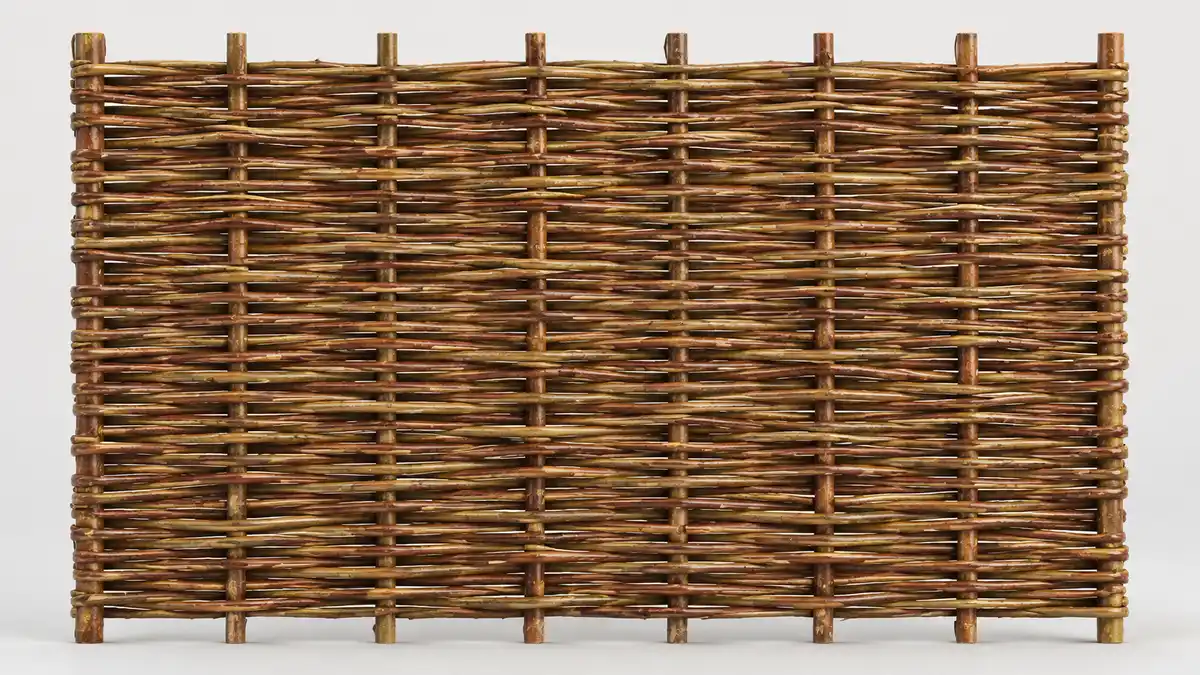
Specify willow species, peeled or bark-on rods, rod thickness range, panel dimensions, weave density and edge construction. State whether the panel is rigid, framed or flexible, and describe wire ties, staples and any supplied fixings. Approve a physical sample showing the acceptable gaps and colour variation.
Agree drying and moisture acceptance criteria, declare coatings and preservative treatments, and specify packaging that protects protruding rod ends. For consumer sale in Great Britain, the panel must be safe in normal or reasonably foreseeable use. Assess sharp ends, exposed wire and how the panel attaches to its intended support.
Worked duty example
Illustrative example, not a quote: Illustrative batch of finished willow fencing screens for a garden retailer under 4601 29 90 00, invoiced at £8,000 free on board, with £1,200 of freight and insurance to the UK. The customs value is £9,200. Duty at 0% is £0. Import VAT at 20% is charged on the customs value plus duty, £9,200, so it is £1,840. With no duty, the only import tax is the VAT, which a VAT-registered importer can usually reclaim. The import duty and VAT guide explains each step.
Inspection checklist
Dimensions and coverage: measure panel height, width and squareness against the drawing; compare weave gaps and rod thickness with the approved sample.
Edges and fixings: check for splinters, sharp wire, loose staples and rods that pull out; fit a sample panel to the intended support using the supplied instructions.
Moisture and pests: check moisture against the agreed limit, inspect inside bundles for mould and musty smells, and look for insect holes and fresh powder.
Packaging: inspect crushed edges and abrasion between panels. Non-exempt solid-wood pallets and crates used for imports into Great Britain must meet ISPM 15; check their treatment marks. Use the inspection guide to prepare the inspection brief.
Working out your own order? Send us the product on WhatsApp and we reply the same working day: WhatsApp us
What goes wrong
A tightly woven sample can become a loose bulk panel when thinner rods are substituted. Drying can leave gaps, loose ties or distorted edges. Damp bundles develop mould, while unprotected ends split during handling. Compare production panels with the retained sample before loading and repeat these checks on arrival.
A decorative screen may disappoint when the buyer expects a rigid fence. Agree the intended support, fastening method and acceptable movement before ordering. Record damaged bundles on arrival and keep affected panels separate while you assess them.
Cambridge China Bridge sources these products for UK businesses, checking the factory and the documents before shipment. See factory verification. For repeat volumes, see container programmes.
Frequently asked questions
What is the UK import duty on willow fencing panels from China?
The supplied tariff data shows 0% for the relevant heading 4601 lines, with no anti-dumping or countervailing duty. Confirm the code from the panel's material and construction.
Do willow fencing panels need a phytosanitary certificate?
The supplied tariff lines show no attached control. Ask your broker to confirm the plant-health position using the willow species, processing details and any timber frame; do not assume an exemption.
How do I reduce mould in willow fencing shipments?
Agree drying and moisture acceptance criteria, inspect inside bundles before packing, and check packaging and storage arrangements. Reject panels with mould or a musty smell.
What should I check before selling willow panels?
Check sharp rod ends, exposed wire, loose staples and the fixing method. Consumer panels sold in Great Britain must be safe in normal or reasonably foreseeable use.