Sourcing wet-blue goatskins from China
Wet-blue goatskins from China attract 0% UK import duty across the variants shown. Qualifying treated skins are exempt from veterinary border checks, but the tariff attaches CITES controls: confirm the species and any permit requirement before shipping. Cambridge China Bridge sources wet-blue goatskins.
Buying from China for a business? How our UK China sourcing agent service works · China sourcing agent for small orders and first imports
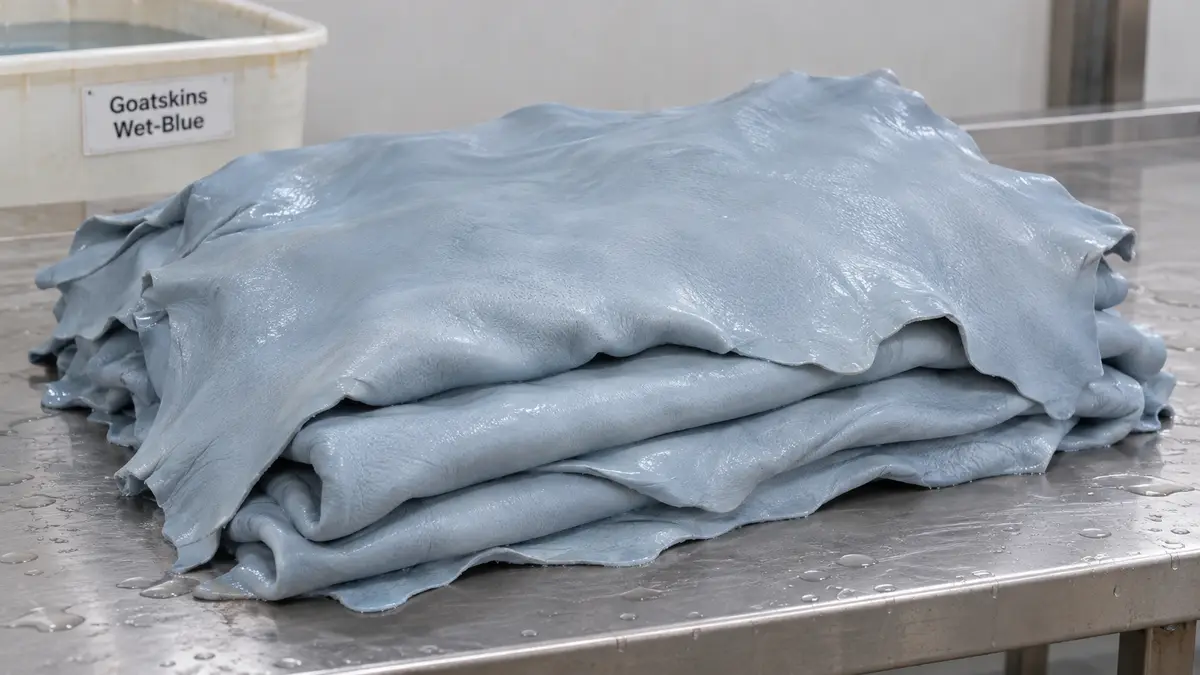
Wet-blue goatskin duty and import controls
Read from the UK Trade Tariff on 29 September 2026, heading 4106 covers tanned or crust skins without wool or hair, whether or not split, but not further prepared. Wet-blue goat and kid skins fall within 4106 21 00 00. The table shows purchasing variants sharing this commodity line. For other animals and dry-state skins, see the wider heading guide.
The supplied tariff record gives 0% duty for goods from China, with no anti-dumping or countervailing duty and no suspension listed for this line. It attaches CITES import and export controls. Confirm the scientific species with your broker or APHA: listed species require permits, and country-specific import restrictions may apply. APHA exempts qualifying treated hides and skins, including wet-blue, from veterinary border checks.
Ask the tannery to describe the species, tanning treatment, wet condition, hair removal and split status consistently in its specification and shipment documents. Confirm that the goods remain within the wet-state, not-further-prepared description using finding your commodity code. Do not choose the code from the supplier's product name alone.
| Goods | Commodity code | Duty | Anti-dumping or countervailing duty on China |
|---|---|---|---|
| Wet-blue goatskins | 4106 21 00 00 | 0% | None |
Specify usable area and wet-blue treatment
Specify goat or kid, scientific species, skin origin, split status, thickness range and the intended retanning process. Agree how area is measured and whether the purchase is assessed by total area or usable cutting area. Set acceptance criteria for holes, flay cuts, scars, grain damage and loose areas.
Ask for tanning records and representative samples from the proposed batch. Agree moisture condition, preservation treatment, packing and storage instructions with the receiving tannery. Trial the samples through your own retanning and finishing process before approving bulk supply.
Worked duty example
Illustrative example, not a quote: Illustrative small tannery trial batch of wet-blue goatskins under 4106 21 00 00, invoiced at £4,106 free on board, with £90 of freight and insurance to the UK. The customs value is £4,196. Duty at 0% is £0. Import VAT at 20% is charged on the customs value plus duty, £4,196, so it is £839.20. With no duty, the only import tax is the VAT, which a VAT-registered importer can usually reclaim. The import duty and VAT guide explains each step.
Inspection checklist
Identity: match batch labels, species declarations and treatment records to the approved sample and order.
Yield: inspect spread-out skins for holes, deep cuts, scars and weak grain; compare usable area with the agreed grading method.
Consistency: measure thickness across agreed positions and compare moisture condition and tanning penetration between skins.
Packing: check for mould, dried edges, leaking packs and mixed grades; photograph findings before processing. Agree the sampling approach through quality inspection explained.
Working out your own order? Send us the product on WhatsApp and we reply the same working day: WhatsApp us
What goes wrong
A batch can meet its declared total area while giving poor cutting yield because defects occupy the useful centre of the skin. Mixed thickness, drying at the edges and uneven treatment can also undermine the receiving tannery's process. Record defects against batch identifiers and retain unprocessed samples while agreeing a remedy.
A blue appearance alone does not establish that the skins received the qualifying treatment. Obtain treatment records before shipment and resolve uncertain species identification with your broker or APHA. Keep dry crust skins and further-prepared leather outside this wet-blue specification.
Cambridge China Bridge sources these products for UK businesses, checking the factory and the documents before shipment. See factory verification. For repeat volumes, see container programmes.
Frequently asked questions
What is the UK import duty on wet-blue goatskins from China?
The supplied tariff record gives 0% for 4106 21 00 00, covering wet-state goat and kid skins, including wet-blue. No anti-dumping or countervailing duty is listed.
Do wet-blue goatskins need veterinary border checks?
APHA says qualifying treated hides and skins, including wet-blue, do not require veterinary border checks. Obtain treatment records rather than relying on colour or the supplier's description.
Do I need CITES paperwork for goatskins?
The tariff attaches CITES controls. Confirm the scientific species with your broker or APHA. Listed species require permits, and imports from the relevant country may be restricted.
What should I check before accepting wet-blue goatskins?
Check usable area, thickness consistency, cuts, holes, grain damage, mould and dried edges. Compare treatment records and batch samples with the agreed specification before retanning.