Sourcing weighing scales from China
Weighing machinery from China, from kitchen and shop scales to platform scales and checkweighers, pays 0% UK duty, with no anti-dumping duty. Scales used for trade, medical weighing or pricing by weight must be approved under the Non-automatic Weighing Instruments Regulations 2016, and checkweighers under the measuring instruments rules. Cambridge China Bridge sources them.
Buying from China for a business? How our UK China sourcing agent service works · China sourcing agent for small orders and first imports
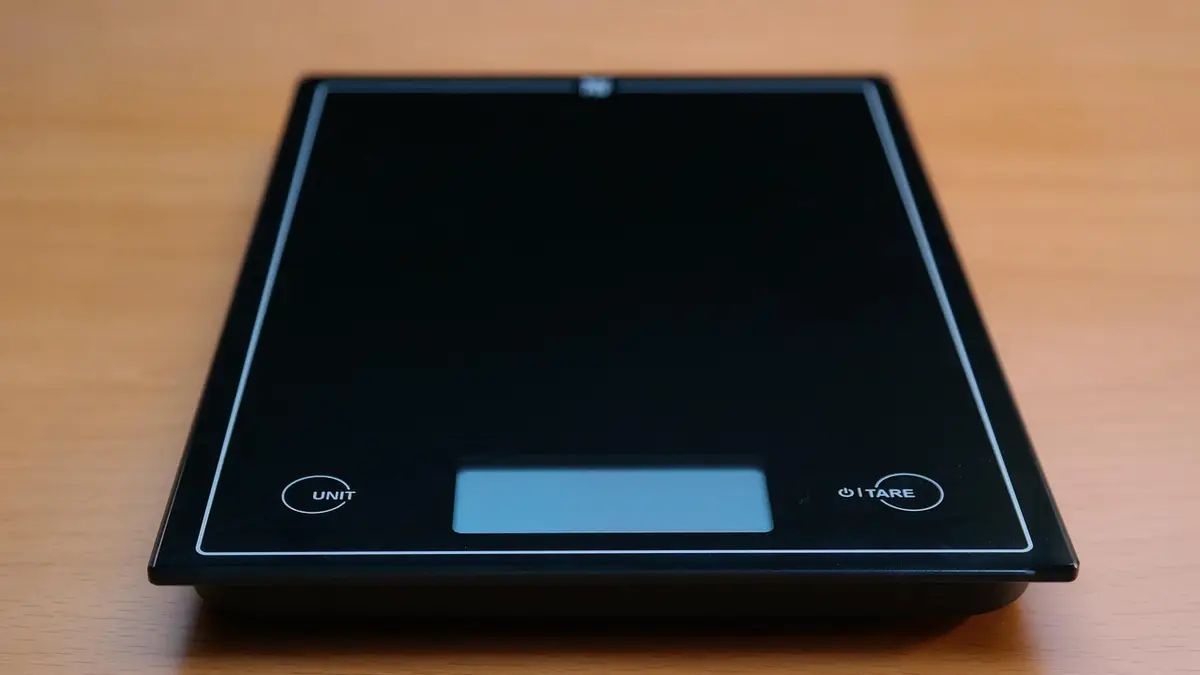
Zero duty
Read from the UK Trade Tariff on 25 September 2026, household scales, personal weighing machines, continuous-weighing scales on conveyors, constant-weight and bagging scales, checkweighers, weighing and labelling machines, shop scales, other scales of every capacity, and parts of heading 8423 carried 0% duty on goods from China, with no anti-dumping measure.
Laboratory balances of 5 cg sensitivity or better are in heading 9016; confirm the commodity code.
| Goods | Commodity code | Duty | Anti-dumping duty on China |
|---|---|---|---|
| Household scales | 8423 10 10 00 | 0% | None |
| Electronic conveyor scales | 8423 20 10 00 | 0% | None |
| Checkweighers, up to 30 kg | 8423 81 21 00 | 0% | None |
| Weighing and labelling machines for pre-packed goods | 8423 81 23 00 | 0% | None |
| Shop scales | 8423 81 25 00 | 0% | None |
| Electronic scales 30 to 5,000 kg | 8423 82 20 00 | 0% | None |
| Other parts and weights | 8423 90 90 00 | 0% | None |
Scales used for trade
Regulation 3 of the Non-automatic Weighing Instruments Regulations 2016 covers scales used for commercial transactions, pricing by weight in direct sales to the public, weighing patients in medicine, making up prescriptions and several legal and laboratory uses. Those scales need conformity assessment by an approved body and the metrology marking. Checkweighers and other automatic weighing instruments are listed in Schedule 1 of the Measuring Instruments Regulations 2016.
Household and fitness scales are outside the regulated-use conformity assessment requirements, but non-regulated non-automatic weighing instruments still require the manufacturer's name and address and maximum capacity marking. They must also be safe and, with batteries, meet battery and WEEE rules.
Specification
Specify capacity, division, accuracy class, platform size, display, units and power. For trade scales, ask which certificate covers the model and check the marking on the sample. For vehicle weighing, see our vehicle weighbridge sourcing guide.
Worked duty example
Suppose, purely for illustration, you import 1,000 retail shop counter scales under 8423 81 25 00. At £30,000 free on board and £2,200 to ship and insure, the customs value is £32,200. With 0% duty on shop scales, the only charge is import VAT: 20% of £32,200, or £6,440. VAT-registered businesses usually recover that in their next return. The method is set out in how UK import duty and VAT work.
Inspection checklist
Accuracy for trade scales: samples tested with certified test weights of a suitable OIML R 111 class across the range, with eccentricity at each corner and repeatability checked by the methods of BS EN 45501, and the results compared with the maximum permissible errors of the accuracy class on the approval certificate.
Approval and marking: for scales covered by the Non-automatic Weighing Instruments Regulations 2016, the certificate from the approved body checked for the exact model and load cell, and the metrology marking, accuracy class, capacity and division checked on the data plate; checkweighers checked against the Measuring Instruments Regulations 2016 in the same way.
Build and environment: wash-down models tested to the IP rating claimed under BS EN 60529, readings checked for drift in a cold room where scales are sold for chilled food, mains adapters and batteries checked for UK plugs and battery life, and household scales sampled to ISO 2859-1 for display and platform defects.
Working out your own order? Send us the product on WhatsApp and we reply the same working day: WhatsApp us
What goes wrong
Scales fail on accuracy, approval and durability. Load cells that drift with temperature or creep under a constant load give readings outside the accuracy class, corner loading errors appear on larger platforms, and shop scales arrive without the approval and markings that trade use requires. Batteries drain quickly, displays fog in cold stores, and platforms rust in wash-down areas.
Test samples with certified test weights across the range and at each corner, check repeatability and creep over time, confirm the approval certificate and markings for any scale used for trade, check IP rating for wash-down models, and run a battery life test.
Inspection
At inspection, check readings with certified test weights across the range, repeatability and corner loading.
Cambridge China Bridge sources household, shop and industrial scales and checkweighers, with trade approval and accuracy settled before the order. See how our sourcing service works.
Frequently asked questions
What is the UK import duty on scales from China?
Read from the UK Trade Tariff on 25 September 2026, weighing machinery of heading 8423 carried 0% duty from China.
Do shop scales need approval?
Yes. Scales used for pricing by weight or trade must meet the Non-automatic Weighing Instruments Regulations 2016, with conformity assessment and metrology marking.
Do bathroom scales need approval?
No, household scales are outside the trade rules, but they must be safe and meet battery and WEEE rules.
Are laboratory balances in heading 8423?
No. Balances of 5 cg sensitivity or better are in heading 9016.