Sourcing uncoated wallpaper base paper from China
Uncoated wallpaper base paper classified under heading 4805 carries 0% UK duty from China across the listed weight bands, with no trade remedy in the supplied snapshot. Importers placing virgin wood-pulp paper on the Great Britain market should confirm timber due-diligence requirements with the relevant authority. Cambridge China Bridge sources uncoated wallpaper base paper.
Buying from China for a business? How our UK China sourcing agent service works · China sourcing agent for small orders and first imports
Duty and classification for uncoated base paper
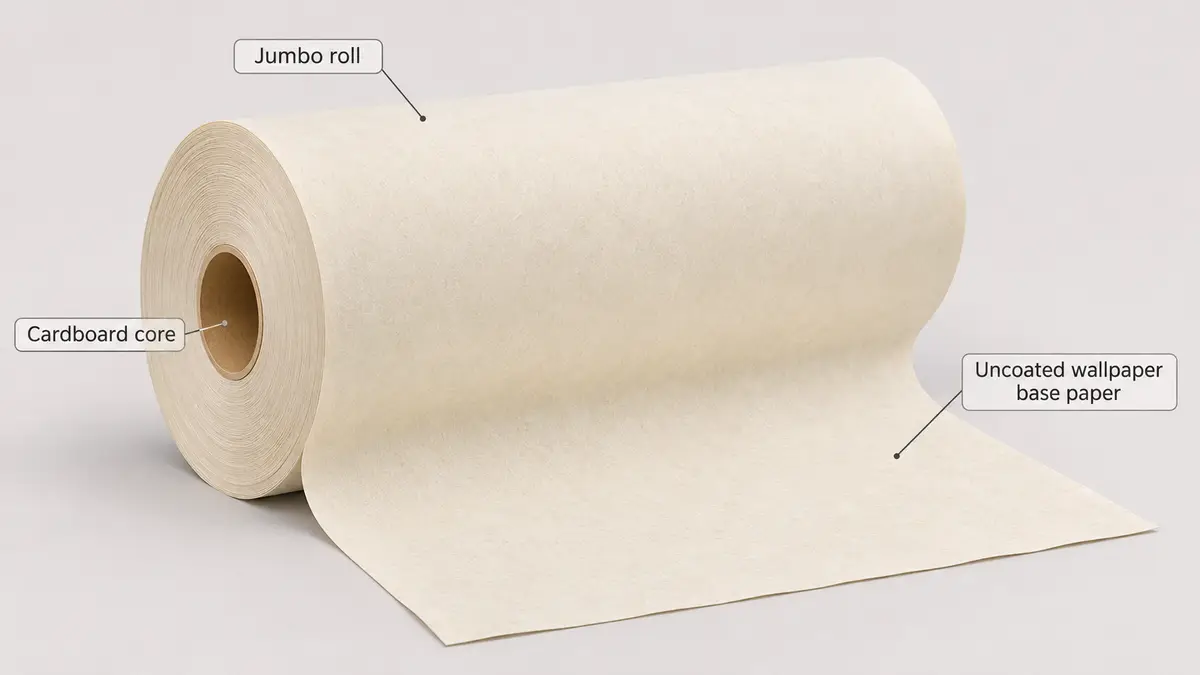
Heading 4805 covers other uncoated paper and paperboard in rolls or sheets, within the heading's processing limits. This guide concerns base paper supplied to wallpaper converters. The table shows possible other-paper classifications by grammage and recovered-paper content; these are not interchangeable grades or automatic classifications for every wallpaper base.
Read from the UK Trade Tariff on 1 October 2026, all lines in the supplied heading snapshot carried 0% duty for goods from China. No anti-dumping or countervailing measures, suspensions or attached import controls were listed. Import VAT is normally 20%; see UK import duty and VAT.
Confirm the commodity code using the mill's fibre specification, grammage, surface treatment and processing details. The snapshot also contains a separately described decor-paper line, so weight alone does not settle classification. For a comparison with coated material, see mineral-coated wallpaper base paper.
| Goods | Commodity code | Duty | Anti-dumping or countervailing duty on China |
|---|---|---|---|
| Other uncoated paper, weighing 150 g/m² or less | 4805 91 00 90 | 0% | None |
| Other uncoated paper, weighing over 150 but under 225 g/m² | 4805 92 00 00 | 0% | None |
| Other uncoated paper from recovered paper, weighing 225 g/m² or more | 4805 93 20 00 | 0% | None |
| Other uncoated paper, weighing 225 g/m² or more, other than recovered-paper grades | 4805 93 80 00 | 0% | None |
Specify absorbency and wet strength for converting
State the fibre furnish, virgin or recycled content, grammage and tolerance, thickness, shade, smoothness, absorbency, moisture and dry and wet tensile strength. Agree the test methods and sample conditioning. Specify reel width, diameter, core dimensions, winding direction and splice marking. Trial the paper with your actual coating, ink and paste process before approving the production grade.
The UK Timber Regulations cover pulp and paper; confirm with the relevant authority how they apply to virgin wood-pulp paper placed on the Great Britain market and what due diligence the importer needs to carry out on its fibre source. Ask for the pulp source, tree species and country of harvest. Confirm whether any exclusion applies to bamboo-based or recovered products, and establish the actual furnish before relying on an exclusion.
Worked duty example
Illustrative example, not a quote: Illustrative order: 12 tonnes of uncoated wallpaper base paper in reels under 4805 91 00 90, invoiced at £14,000 free on board, with £1,800 of freight and insurance to the UK. The customs value is £15,800. Duty at 0% is £0. Import VAT at 20% is charged on the customs value plus duty, £15,800, so it is £3,160. With no duty, the only import tax is the VAT, which a VAT-registered importer can usually reclaim. The import duty and VAT guide explains each step.
Inspection checklist
Paper properties: compare conditioned samples from each batch with the agreed grammage, moisture, absorbency and tensile specification.
Converting trial: check coating uptake, surface picking, print appearance and dimensional change when the paper is wetted and dried.
Reels: check width, core fit, winding, marked splices, edge damage and crushed or out-of-round reels.
Arrival condition: inspect wrapping, reel ends and batch labels for water damage and traceability. Retain samples for comparison with the approved grade; see quality inspection explained.
Working out your own order? Send us the product on WhatsApp and we reply the same working day: WhatsApp us
What goes wrong
Uneven absorbency can produce patchy coating or colour, while loose surface fibres can contaminate printing equipment. Weak wet strength can cause tearing during processing. Moisture variation can cause curl and uneven expansion, and damaged reel edges or poorly marked splices can interrupt the converting line.
A small hand sheet may look acceptable while production reels behave differently across their width. Approve a machine trial, agree measurable acceptance criteria and compare shipment samples with the approved paper. Record reel damage and damp packaging when unloading, before the paper enters production.
Cambridge China Bridge sources these products for UK businesses, checking the factory and the documents before shipment. See factory verification. For repeat volumes, see container programmes.
Frequently asked questions
What is the UK import duty on uncoated wallpaper base paper from China?
The supplied tariff snapshot shows 0% duty on all heading 4805 lines for goods from China, with no anti-dumping or countervailing measure. Confirm that your particular base paper belongs in this heading.
Do timber rules apply to wallpaper base paper?
Confirm with the relevant authority the importer's timber due-diligence requirements for virgin wood-pulp paper placed on the Great Britain market. Establish the fibre source and furnish; do not assume a recycled claim covers the whole product.
Can I substitute mineral-coated wallpaper base paper?
Treat it as a different specification. Coating changes the surface and liquid uptake, so repeat your converting trial and check the commodity code before accepting a substitution.
What should I test before ordering production reels?
Check grammage, moisture, absorbency, wet and dry tensile strength, surface picking and dimensional change. Run the proposed grade through your actual coating and printing process.