Sourcing uncoated label base paper from China
Uncoated label base paper from China within heading 4802 carries 0% UK duty across the relevant lines, with no anti-dumping or countervailing duty recorded. For virgin wood-fibre paper, confirm the applicable timber due-diligence requirements with the relevant authority or your customs broker before placement on the Great Britain market. Cambridge China Bridge sources uncoated label base paper.
Buying from China for a business? How our UK China sourcing agent service works · China sourcing agent for small orders and first imports
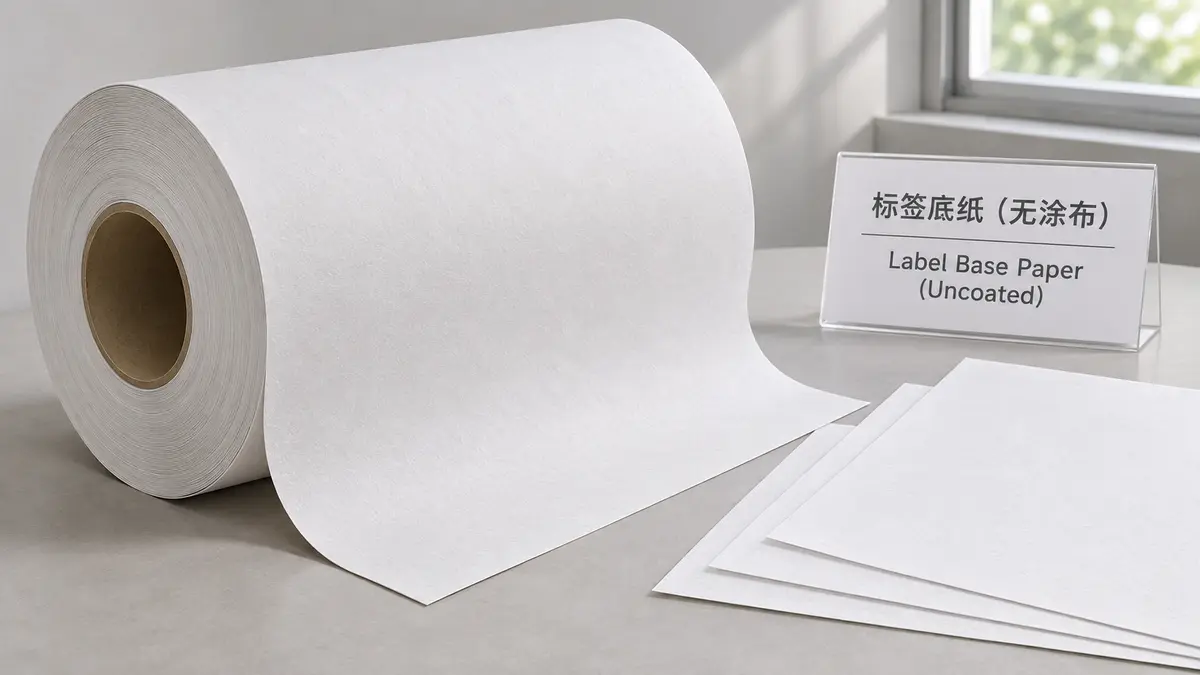
Duty on uncoated label base paper
Read from the UK Trade Tariff on 1 October 2026, heading 4802 covers uncoated paper and paperboard for writing, printing or other graphic purposes in rolls or rectangular sheets. This guide concerns bare paper bought for conversion into labels. Ask the supplier to distinguish it from adhesive-coated stock, release liners and finished labels.
The relevant lines carry 0% duty on goods from China. The supplied tariff record lists no anti-dumping or countervailing duty, suspensions or attached import controls. The table covers rolls whose mechanical or chemi-mechanical fibres do not exceed 10% of total fibre weight, divided by grammage and excluding the specified decor-paper grades.
Confirm the commodity code using the fibre composition, grammage, roll or sheet format and any surface treatment. For wider heading context, see the uncoated envelope paper guide.
| Goods | Commodity code | Duty | Anti-dumping or countervailing duty on China |
|---|---|---|---|
| Low-mechanical-fibre uncoated paper rolls, 40 to under 60 g/m², other than decor paper | 4802 55 15 90 | 0% | None |
| Low-mechanical-fibre uncoated paper rolls, 60 to under 75 g/m², other than decor paper | 4802 55 25 90 | 0% | None |
| Low-mechanical-fibre uncoated paper rolls, 75 to under 80 g/m², other than decor paper | 4802 55 30 90 | 0% | None |
| Low-mechanical-fibre uncoated paper rolls, 80 to 150 g/m², other than decor paper | 4802 55 90 90 | 0% | None |
Specify the paper for your label conversion line
State whether the paper will become a wet-glue label or the face paper of an adhesive label. Specify grammage and tolerance, thickness, opacity, shade, surface smoothness, sizing, moisture and grain direction. Agree reel width, diameter, core size, winding direction and splice marking. Identify the printing process, ink and adhesive to be used.
Approve a trial on your printing and converting equipment. Check ink spread, drying, surface picking, dust and curl after adhesive application. If labels will face condensation, agree a wet-strength trial under the intended conditions. Request batch test results and keep an approved sample for comparison.
Virgin wood-fibre paper falls within the Great Britain timber rules. Confirm the applicable fibre-source due-diligence requirements with the relevant authority or your customs broker before market placement. Ask the mill for fibre species, harvest country and supporting legality documents before shipment.
Worked duty example
Illustrative example, not a quote: Illustrative order: a palletised batch of 80 g/m² uncoated label base paper reels for a small label converter under 4802 55 90 90, invoiced at £21,000 free on board, with £3,000 of freight and insurance to the UK. The customs value is £24,000. Duty at 0% is £0. Import VAT at 20% is charged on the customs value plus duty, £24,000, so it is £4,800. With no duty, the only import tax is the VAT, which a VAT-registered importer can usually reclaim. The import duty and VAT guide explains each step.
Inspection checklist
Paper properties: check grammage, thickness, shade, opacity and moisture against the approved specification using samples across the reel width.
Reels: check width, core fit, winding direction, edge damage, winding tension and marked splices before loading the converting line.
Conversion: print and apply the intended adhesive to arrival samples; check ink spread, surface picking, curl and tearing during cutting.
Packing and traceability: check moisture-barrier wrapping, protected reel ends and dry pallets; match mill batch identifiers to test results and fibre documents.
Working out your own order? Send us the product on WhatsApp and we reply the same working day: WhatsApp us
What goes wrong
Paper can match the agreed grammage yet fail during conversion. Uneven sizing causes patchy printing or excessive adhesive absorption; loose surface fibres create dust and picking. Moisture variation causes curl, and poorly wound reels or crushed cores interrupt unwinding.
A dry print sample does not establish performance after adhesive application or condensation exposure. Compare arrival material with the approved conversion trial, record defects by mill batch and retain samples. Use the quality inspection guide to brief the inspection.
Cambridge China Bridge sources these products for UK businesses, checking the factory and the documents before shipment. See factory verification. For repeat volumes, see container programmes.
Frequently asked questions
What is the UK import duty on uncoated label base paper from China?
The relevant heading 4802 lines carry 0% duty in the supplied tariff record, with no anti-dumping or countervailing duty recorded.
Does uncoated label base paper need timber due diligence?
Obtain fibre species, harvest country and supporting legality documents from the mill.
Can I approve label base paper from a printed sample?
Also trial the paper with your adhesive and converting equipment. Check ink spread, dust, surface picking and curl after adhesive application.
What should I specify for label paper reels?
Agree grammage, thickness, moisture, shade, surface properties, reel width, diameter, core size, winding direction and splice marking.