Sourcing Triethylphosphine from China
Neat triethylphosphine from China has a recorded UK duty of 6% on the candidate residual line, with no recorded anti-dumping or countervailing duty. Chemicals placed on the Great Britain market must be classified and labelled under GB CLP. Confirm the substance identity and importer’s UK REACH position before ordering. Cambridge China Bridge sources triethylphosphine.
Buying from China for a business? How our UK China sourcing agent service works · China sourcing agent for small orders and first imports
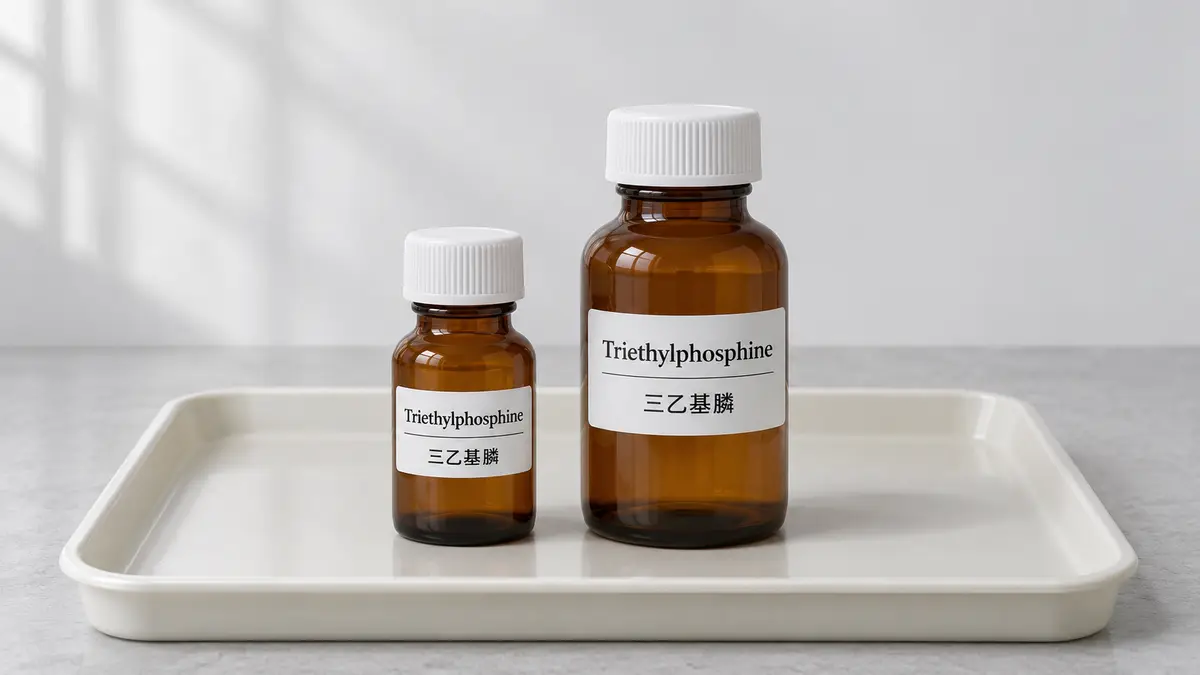
Triethylphosphine duty and classification
Read from the UK Trade Tariff on 1 October 2026, heading 2931 covers other organo-inorganic compounds. The candidate line for neat triethylphosphine is 2931 49 80 90, carrying 6% duty for goods from China. No anti-dumping or countervailing duty is recorded. The table repeats this candidate line for different buying uses; these are not separate tariff classifications.
The residual line records 0.00 % suspensions for specified substances, but the supplied record does not establish eligibility for triethylphosphine and includes a truncated footnote. Budget at 6% unless eligibility is confirmed. The UK Trade Tariff also attaches “Export control - Waste”. Ask your customs broker to confirm its relevance to your transaction and any requirements if the consignment is waste.
Confirm the commodity code using the chemical identity, composition and whether the product is neat or supplied in a solvent. Do not select a code from the name alone. For the wider heading, see the tributylphosphine guide.
| Goods | Commodity code | Duty | Anti-dumping or countervailing duty on China |
|---|---|---|---|
| Neat triethylphosphine for laboratory use | 2931 49 80 90 | 6% | None |
Specify triethylphosphine identity and assay
Write triethylphosphine in full and request the supplier’s substance identifier and structural identity. Distinguish it from triethyl phosphate, triethyl phosphite and triethylphosphine oxide. Specify neat material or a named solvent solution, the assay method, acceptance limits for water and oxide impurities, and a batch certificate of analysis.
Agree the container material, closure, transfer connection and any inert atmosphere with your receiving laboratory. Ask for storage and handling instructions before approving the packaging. Arrange independent identity and assay checks through testing and certification.
A safety data sheet is required when a hazardous chemical is supplied for workplace use. UK REACH registration is per substance and legal entity, so check your importing business’s registration position rather than relying on a supplier’s general certificate.
Worked duty example
Illustrative example, not a quote: Illustrative order: 15 kg of neat triethylphosphine for process trials under 2931 49 80 90, invoiced at £2,500 free on board, with £980 of freight and insurance to the UK. The customs value is £3,480. Duty at 6% is £208.80. Import VAT at 20% is charged on the customs value plus duty, £3,688.80, so it is £737.76. Import taxes total £946.56; a VAT-registered importer can usually reclaim the VAT, so the lasting cost is the £208.80 of duty. The import duty and VAT guide explains each step.
Inspection checklist
Identity: match the substance name and identifier across the purchase order, container label, safety data sheet and batch certificate.
Analysis: compare assay, water and oxide results with the agreed specification; confirm the test method and batch number.
Containers: inspect closures, seals, dents and evidence of leakage without opening containers during routine warehouse inspection.
Receiving: confirm that the receiving team has the handling instructions, suitable transfer equipment and agreed sampling procedure.
Working out your own order? Send us the product on WhatsApp and we reply the same working day: WhatsApp us
What goes wrong
Procurement errors include ordering a similarly named phosphorus chemical, receiving a solvent solution against a neat-material order, or accepting an assay without a stated method. A certificate for a different batch cannot establish the quality of the delivered material. Keep the batch on hold while discrepancies are investigated.
Packaging problems include incompatible transfer connections, damaged seals and missing handling instructions. Agree how the receiving laboratory will sample and transfer the material before dispatch. Treat unexpected assay or oxide results as a reason for laboratory investigation rather than accepting the batch from its appearance.
Cambridge China Bridge sources these products for UK businesses, checking the factory and the documents before shipment. See factory verification. For repeat volumes, see container programmes.
Frequently asked questions
What is the UK import duty on triethylphosphine from China?
The supplied tariff record shows 6% on candidate code 2931 49 80 90, with no anti-dumping or countervailing duty. Confirm classification and any suspension eligibility before declaring.
Can I claim a duty suspension for triethylphosphine?
The residual line has substance-specific suspensions, but the supplied record does not establish triethylphosphine eligibility. Budget at 6% and ask your broker to check the complete conditions.
What should a triethylphosphine specification include?
Substance identity, neat material or named solvent, assay method, water and oxide acceptance limits, batch analysis, container closure and transfer connection.
Does a Chinese supplier’s certificate cover UK chemical compliance?
A general certificate does not establish your registration position. UK REACH registration is per substance and legal entity. Chemicals placed on the Great Britain market also need GB CLP classification and labelling.