Sourcing tin-zinc alloy ingots from China
Tin-zinc alloy ingots declared as unwrought tin alloys carry 0% UK duty from China, with no trade remedy listed in the tariff extract. Check UK REACH responsibilities for the constituent substances before importing into Great Britain, and obtain batch composition evidence. Cambridge China Bridge sources tin-zinc alloy ingots.
Buying from China for a business? How our UK China sourcing agent service works · China sourcing agent for small orders and first imports
Duty on tin-zinc alloy ingots
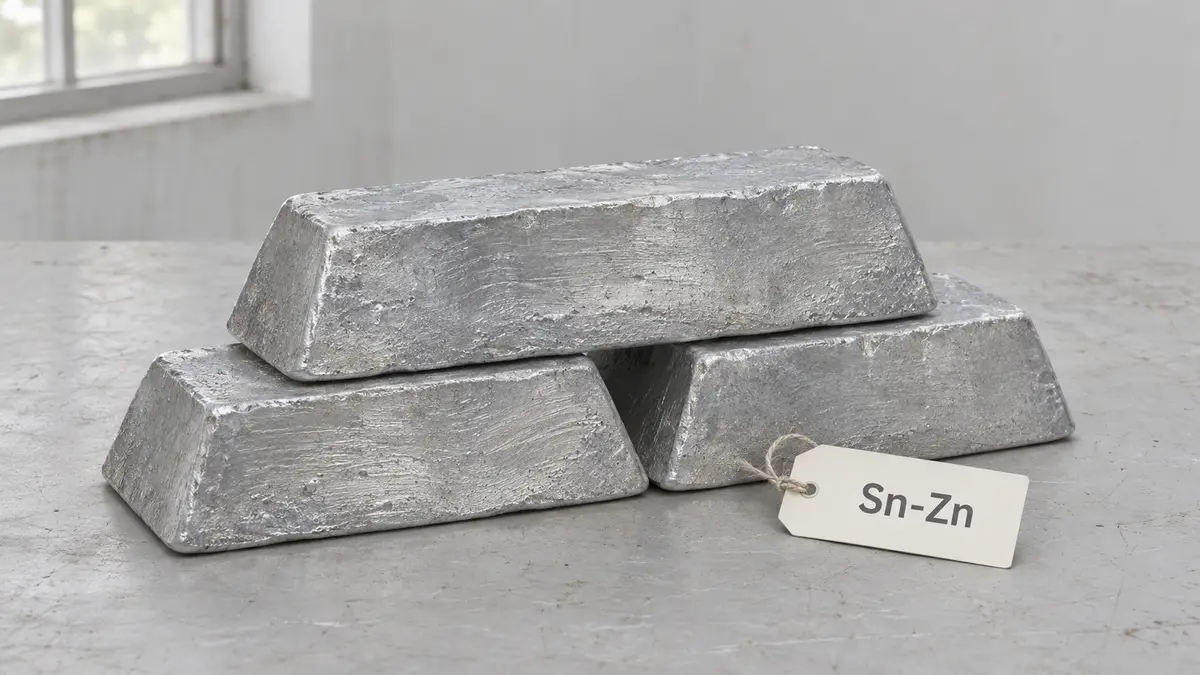
Heading 8001 covers unwrought tin, including tin alloys. This guide concerns tin-zinc alloy ingots supplied for further processing. The supplied tariff extract contains only one relevant commodity line, 8001 20 00 00, so the table uses that line alone.
Read from the UK Trade Tariff on 7 October 2026, tin alloys from China carried 0% duty. The supplied record lists no anti-dumping or countervailing duty, suspensions or attached import controls for this line.
Confirm the composition and supplied form with your customs broker before using the commodity code. For related alloy ingots within the wider heading, see the tin-copper master alloy guide.
| Goods | Commodity code | Duty | Anti-dumping or countervailing duty on China |
|---|---|---|---|
| Unwrought tin-zinc alloy ingots | 8001 20 00 00 | 0% | None |
Specify the tin-zinc composition and remelting use
State the tin and zinc contents, permitted variation, and impurity limits for lead, cadmium, copper and aluminium. Specify ingot dimensions, individual weight, batch identification and a certificate of analysis for each melt. Agree whether recycled feedstock is acceptable and ask the supplier to disclose other intentional additions.
Approve a sample in your actual remelting or soldering process. Record acceptable melting behaviour, dross formation and, where relevant, wetting on the intended substrate. Agree laboratory sampling with the supplier rather than accepting a surface reading as the complete batch analysis.
For Great Britain, check UK REACH registration responsibilities for the constituent substances. HSE says substances in mixtures require registration when aggregated imports of a constituent reach 1 tonne or more per year. Review your registration position before ordering. Substances and mixtures placed on the Great Britain market must also be classified and labelled under the applicable chemical classification rules.
Worked duty example
Illustrative example, not a quote: Illustrative order: 3 tonnes of tin-zinc alloy ingots under 8001 20 00 00, invoiced at £108,000 free on board, with £1,500 of freight and insurance to the UK. The customs value is £109,500. Duty at 0% is £0. Import VAT at 20% is charged on the customs value plus duty, £109,500, so it is £21,900. With no duty, the only import tax is the VAT, which a VAT-registered importer can usually reclaim. The import duty and VAT guide explains each step.
Inspection checklist
Composition: match each melt certificate to the delivered batch and independently test representative samples for tin, zinc and agreed impurities.
Condition: inspect for excessive oxide, embedded dross, oil, dirt and moisture; compare a remelted sample with the approved material.
Traceability: check ingot or bundle identification against certificates, the packing list and the agreed alloy description.
Packing: check net weight, secure strapping, pallet condition and protection against moisture. Use the quality inspection guide to agree the inspection scope.
Working out your own order? Send us the product on WhatsApp and we reply the same working day: WhatsApp us
What goes wrong
A generic tin-alloy description can conceal the wrong zinc content or unwanted additions. Mixed melts, certificates that do not identify the delivered batch, and contaminated ingots make process results difficult to reproduce. Surface appearance alone cannot establish the composition.
Keep batches separate until the analysis and process trial are accepted. Agree how failed material will be replaced before dispatch, and retain a labelled sample from each accepted melt for comparison with later deliveries.
Cambridge China Bridge sources these products for UK businesses, checking the factory and the documents before shipment. See factory verification. For repeat volumes, see container programmes.
Frequently asked questions
What is the UK import duty on tin-zinc alloy ingots from China?
The supplied tariff record dated 7 October 2026 shows 0% for tin alloys under 8001 20 00 00, with no anti-dumping or countervailing duty listed. Confirm the classification of your alloy.
What should a tin-zinc ingot certificate show?
Ask for tin and zinc contents, agreed impurities, the melt or batch identifier and the test method. The identifier should match the delivered ingots or bundles.
Does UK REACH matter for imported alloy ingots?
Check the constituent substances and annual import quantities.
How do I check whether the alloy suits my process?
Approve a representative sample in your own process. Compare composition, melting behaviour, dross and any required wetting performance, then use the same acceptance criteria for delivered batches.