Sourcing textile fascinator hats from China
Textile fascinator hats from China normally pay 2% UK duty; qualifying fur-felt styles pay 4%. Consumer products sold in Great Britain must be safe in normal or reasonably foreseeable use. Specify the base, trim and fixing, and check animal materials before ordering. Cambridge China Bridge sources textile fascinator hats.
Buying from China for a business? How our UK China sourcing agent service works · China sourcing agent for small orders and first imports
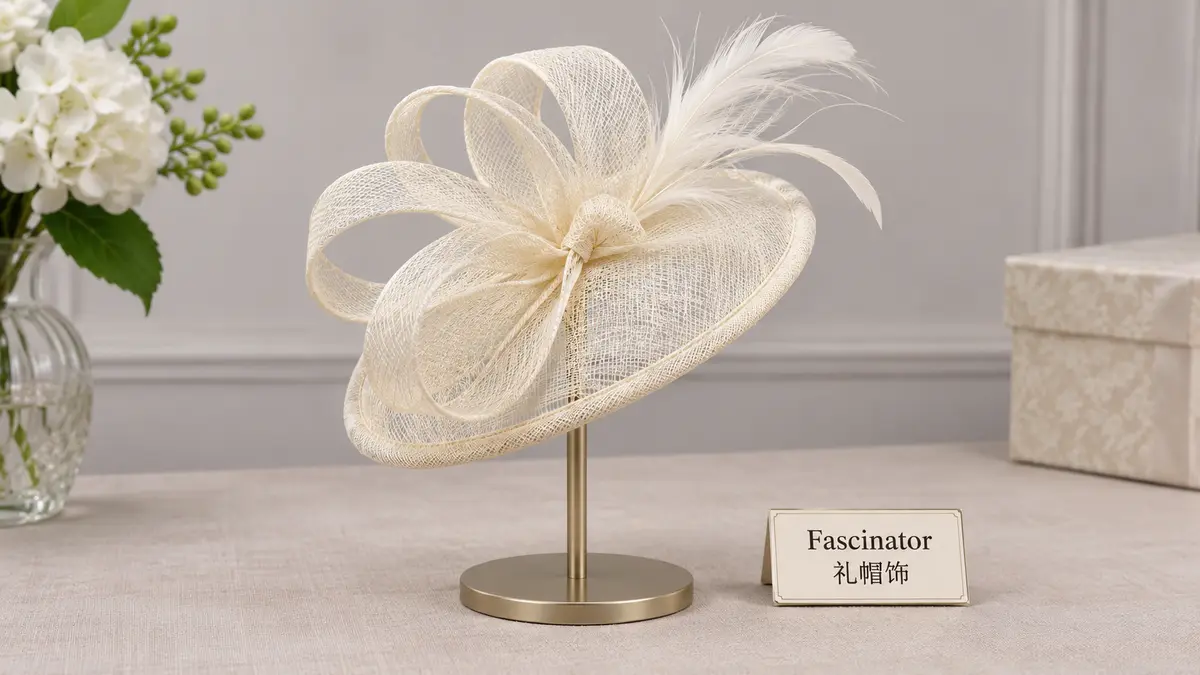
Duty and animal-trim controls
Read from the UK Trade Tariff on 30 September 2026, heading 6505 covers headgear made up from lace, felt or other textile fabric in the piece, rather than strips, and knitted or crocheted headgear. Textile fascinator hats normally fall under 6505 00 90 90 at 2% duty from China. Qualifying fur-felt hats under 6505 00 10 00 pay 4%. Confirm the finished construction through finding your commodity code.
The supplied tariff record shows no anti-dumping or countervailing duty. The suspension attached to 6505 00 90 90 applies only to disposable hairnets, so it does not reduce duty on fascinator hats. The textile examples share a code because their decorative fabrics do not create separate tariff lines. See the caps and hats guide for the wider heading.
The tariff attaches CITES, cat and dog fur, and seal-product import controls. Cat and dog fur products cannot be imported. Seal products for resale in Great Britain must qualify for the indigenous-community exemption and have a seal catch certificate. For CITES-listed trims, confirm permits or notifications before shipping from China. It also flags export controls for CITES, cat and dog fur, and torture/repression goods; confirm any re-export requirements with your customs broker.
| Goods | Commodity code | Duty | Anti-dumping or countervailing duty on China |
|---|---|---|---|
| Textile fascinator hats with satin-covered bases | 6505 00 90 90 | 2% | None |
| Fur-felt fascinator hats made from hat bodies, hoods or plateaux | 6505 00 10 00 | 4% | None |
Specify the base, decoration and fixing
Define the base fabric and stiffening, outline, curvature, wearing angle and intended side of the head. Specify the mesh, lace, ribbon loops, flowers and any feathers separately. A plaited-strip construction needs a fresh classification check rather than assuming the textile-hat code. Approve a physical sample showing the complete silhouette and the underside.
Choose a covered headband, comb or clip and agree its position, grip and comfort. State the fibre composition, colour references, stitching and adhesive finish. Identify the species and origin of any real feathers or fur before approving substitutions. Agree fibre-label details for styles subject to textile labelling, and keep the label clear of the fixing.
Translate that into checks for exposed wire ends, sharp comb teeth, loose decorations and insecure fixings. Agree protective packing around the base and raised decoration, then inspect a sample after unpacking.
Worked duty example
Illustrative example, not a quote: 770 textile fascinator hats, illustrative order under 6505 00 90 90, invoiced at £9,000 free on board, with £900 of freight and insurance to the UK. The customs value is £9,900. Duty at 2% is £198. Import VAT at 20% is charged on the customs value plus duty, £10,098, so it is £2,019.60. Import taxes total £2,217.60; a VAT-registered importer can usually reclaim the VAT, so the lasting cost is the £198 of duty. The import duty and VAT guide explains each step.
Inspection checklist
Shape: compare base outline, curvature, wearing angle and decoration placement with the approved sample; check that stiffening holds the shape.
Fixing: trial the band, comb or clip for grip and comfort; check stitching, adhesive bonds, covered wire ends and smooth edges.
Materials: match fabric, colour and trim to the specification; check colour transfer on skin-contact areas and verify any animal-material declarations.
Packing: unpack production samples and check for flattened loops, torn mesh, glue marks and crushed bases; reconcile style and colour quantities with the packing list. Use the inspection guide to record defects.
Working out your own order? Send us the product on WhatsApp and we reply the same working day: WhatsApp us
What goes wrong
A fascinator can match the photograph yet sit at the wrong angle because its fixing was fitted differently. Soft bases sag, ribbon loops flatten, mesh catches on comb teeth and visible glue spoils pale fabrics. Compare the underside as well as the display face, and keep a complete approved sample for production checks.
Substituting real feathers or fur for a synthetic decoration can change the import checks. Reject unapproved material changes and investigate missing species information before shipment. Packing that presses directly on raised trims can leave the order unsaleable even when the factory sample looked correct.
Cambridge China Bridge sources these products for UK businesses, checking the factory and the documents before shipment. See factory verification. For own-brand ranges, see sourcing for brands.
Frequently asked questions
What is the UK import duty on textile fascinator hats from China?
Normally 2% under 6505 00 90 90. Qualifying fur-felt hats under 6505 00 10 00 pay 4%. The supplied record shows no anti-dumping or countervailing duty; the hairnet suspension does not cover fascinators.
Can I import fascinator hats with real feathers?
Identify the species first. CITES controls can cover animal parts and items made from them. Confirm the required permits or notification with your customs broker before shipping.
What should I send the factory for a fascinator sample?
Send the base outline, fabric and stiffening, wearing angle, trim layout, colour references and fixing details. Approve the finished sample on the head, including its underside and packing.
How do I stop fascinator hats arriving crushed?
Agree supports and clearance around raised decorations. Check packed samples after unpacking for base distortion, flattened ribbon loops, snagged mesh and displaced fixings.