Sourcing sulphited cherries from China
Sulphited cherries for processing from China carry 0% UK duty, with no duty variation within the cherry line. They belong here only while provisionally preserved and unsuitable for immediate consumption. Check preservative use and sulphite information before ordering. Cambridge China Bridge sources sulphited cherries for processing.
Buying from China for a business? How our UK China sourcing agent service works · China sourcing agent for small orders and first imports
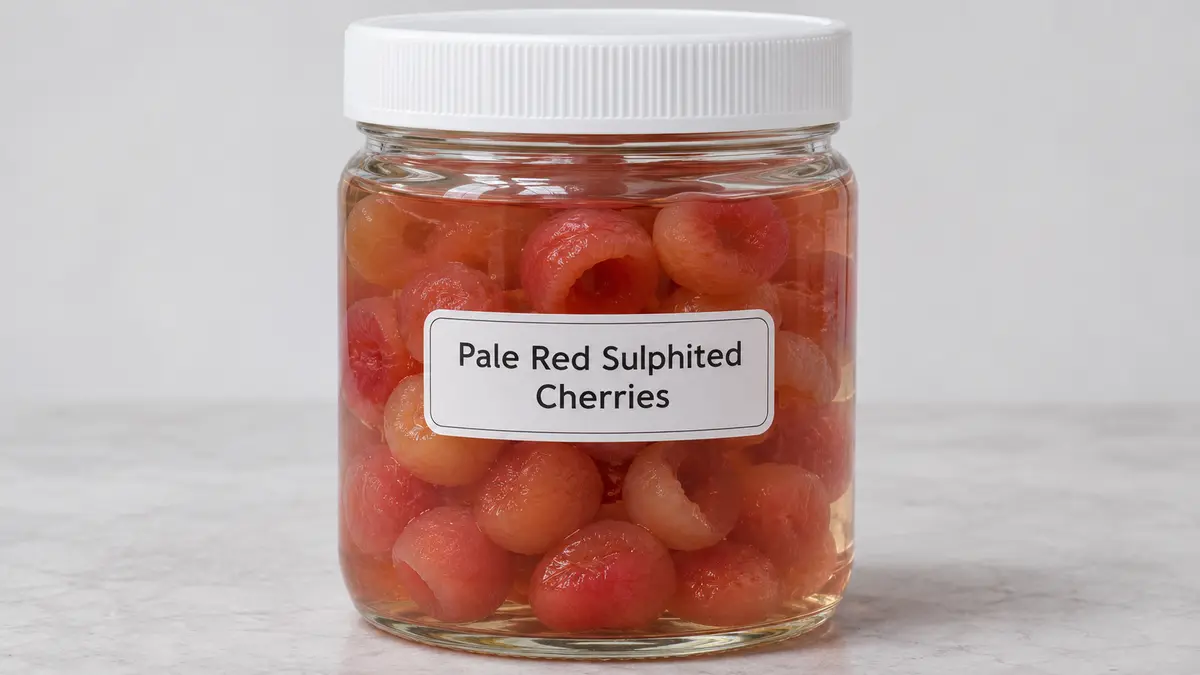
Duty on cherries preserved for further processing
Read from the UK Trade Tariff on 29 September 2026, heading 0812 covers fruit and nuts provisionally preserved but unsuitable in that state for immediate consumption. Its cherry line is 0812 10 00 00. The table shows purchase variants under that same code, rather than separate tariff lines. See the wider preserved fruit guide.
The supplied tariff reading gives Chinese-origin cherries 0% duty, with no anti-dumping or countervailing duty and no suspension listed. It attaches import control of organic products. Organic consignments need an inspection certificate; the exporter’s control body issues it in the country of export. Before accepting an organic proposal, ask your UK organic control body to confirm that the formulation qualifies and your broker to confirm the entry requirements.
Give your broker the fruit identity, preservative formulation, processing history and intended condition on arrival. Confirm the commodity code before shipment, especially if the cherries have already been processed into a finished food.
| Goods | Commodity code | Duty | Anti-dumping or countervailing duty on China |
|---|---|---|---|
| Whole sulphited cherries for processing | 0812 10 00 00 | 0% | None |
Specify cherries for your processing method
Specify sweet or sour cherries, variety, whole or pitted presentation, size grading, firmness, colour and permitted defects. Agree drained fruit weight separately from the weight of the preserving liquid. Record the complete liquid formulation, preservative identity, sulphur dioxide test basis, acidity, storage conditions and drum lining.
Most food additives are permitted only in particular foods and quantities. Have the proposed preservative use checked for the intended product and processing route. Trial the supplier’s cherries through your washing, desulphiting and subsequent cooking or candying process. Check flavour, texture and residual sulphites rather than relying on the supplier’s proposed treatment.
Pass the formulation and batch results to your processor. Food businesses are responsible for accurate allergen information. Confirm the applicable sulphite allergen declaration requirements with the relevant food authority; test the finished food after processing before settling its label.
Worked duty example
Illustrative example, not a quote: 5 tonnes of pitted sulphited cherries for processing; illustrative order only under 0812 10 00 00, invoiced at £20,000 free on board, with £1,800 of freight and insurance to the UK. The customs value is £21,800. Duty at 0% is £0. Import VAT at 20% is charged on the customs value plus duty, £21,800, so it is £4,360. With no duty, the only import tax is the VAT, which a VAT-registered importer can usually reclaim. The import duty and VAT guide explains each step. This assumes the goods are standard-rated for VAT. Most food for human consumption is zero-rated, and animal feed can be too, in which case no import VAT is due, so check the rate for your product in HMRC's VAT Notice 701/14.
Inspection checklist
Fruit: compare drained samples with the agreed variety, size, firmness and colour; record crushed fruit, splits and skin damage.
Pitting: examine pitted samples for retained stones and fragments, and compare flesh loss with the approved sample.
Preserving liquid: match the formulation and lot test report; arrange sulphur dioxide, acidity, pesticide residue and microbiological checks suited to the intended process.
Drums and records: inspect seals, leaks, swelling and lining damage; match batch marks to the packing list and test reports. Use an agreed inspection brief.
Working out your own order? Send us the product on WhatsApp and we reply the same working day: WhatsApp us
What goes wrong
A drum can contain less usable fruit than expected when its quoted weight includes the liquid. Poor pitting leaves stone fragments; excessive handling produces split or crushed cherries. Leaking drums, damaged liners and unsuitable storage can undermine preservation. Compare drained yield and processing performance with the approved sample.
Sulphite results become misleading when the report does not identify whether it tested fruit, liquid or the finished food. A washing trial may leave an unwanted flavour or change firmness without achieving the intended residual level. Hold affected lots for investigation and repeat the processing trial before accepting a replacement formulation.
Cambridge China Bridge sources these products for UK businesses, checking the factory and the documents before shipment. See factory verification. For repeat volumes, see container programmes.
Frequently asked questions
What is the UK import duty on sulphited cherries from China?
The supplied tariff reading gives 0812 10 00 00 a 0% duty rate for goods from China, with no anti-dumping or countervailing duty and no suspension listed.
Can these cherries be sold for immediate consumption?
Heading 0812 covers provisionally preserved fruit unsuitable in that state for immediate consumption. Specify further processing and reassess classification if importing a finished food.
Do sulphites need declaring on the finished food?
Confirm the applicable sulphite allergen declaration requirements with the relevant food authority. Test the finished food after your processing trial and pass the results to the person preparing its label.
What should I ask a sulphited cherry factory for?
Ask for the fruit specification, pitting criteria, drained weight, preserving-liquid formulation, batch tests and storage instructions. Obtain samples for a trial using your actual processing method.