Sourcing corrugated water hoses from China
Stainless steel corrugated water hoses from China carry 0% UK duty under the steel flexible-tubing line. For mains-water use in England and Wales, confirm applicable fitting-quality and suitability requirements with the local water company. Check the complete assembly, including seals. Cambridge China Bridge sources stainless steel corrugated water hoses.
Buying from China for a business? How our UK China sourcing agent service works · China sourcing agent for small orders and first imports
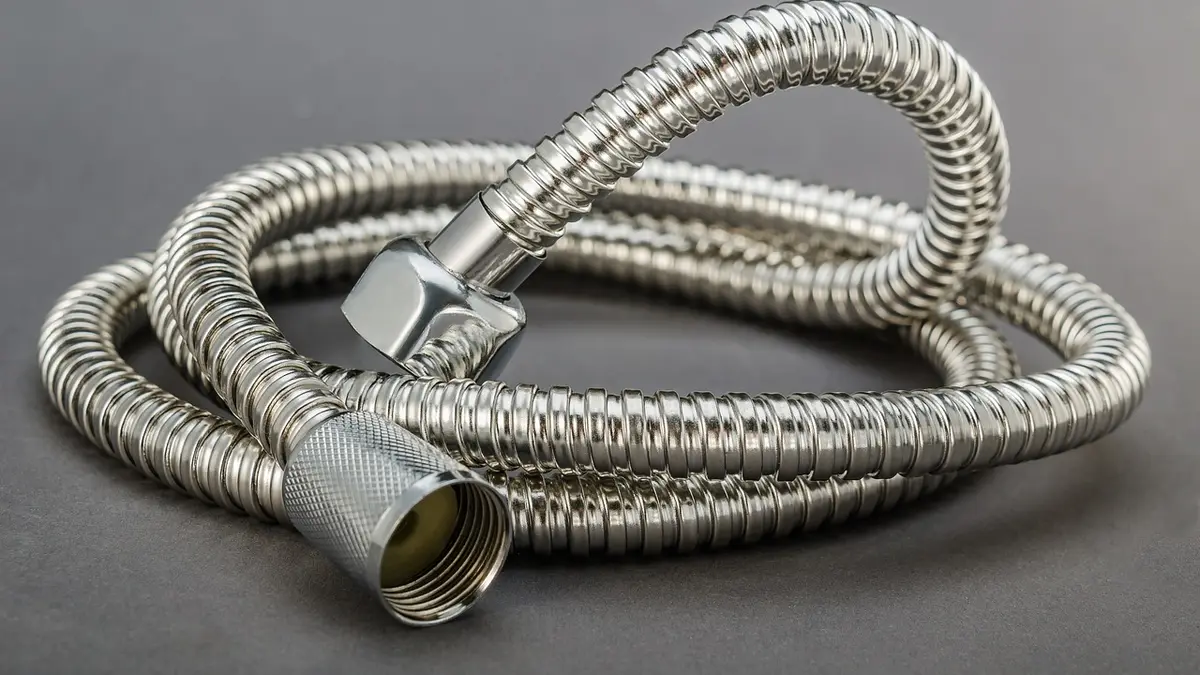
Duty on stainless steel corrugated water hoses
Read from the UK Trade Tariff on 30 September 2026, heading 8307 covers flexible tubing of base metal, with or without fittings. Stainless steel corrugated water tubing falls within the iron-or-steel family. The supplied line 8307 10 00 90 carries 0% duty for goods from China, with no anti-dumping or countervailing duty, suspension or attached import control recorded.
The table shows product variants sharing the same steel-tubing code, rather than separate tariff lines. The water-carrying tube must be metal: a rubber hose covered by stainless steel braid is classified by its rubber core under heading 4009. Send a cross-section, material specification and fitting drawings to your customs broker to confirm the commodity code.
For other materials and applications within the heading, see the flexible metal hose guide. Keep the agreed tube construction and end-fitting details with the order so production changes can be checked against the classification.
| Goods | Commodity code | Duty | Anti-dumping or countervailing duty on China |
|---|---|---|---|
| Stainless steel corrugated water tubing without fittings | 8307 10 00 90 | 0% | None |
Specify the water path and complete connection
State whether the hose carries drinking water or serves a heating circuit. Specify tube grade, wall thickness, bore, corrugation profile, finished length and minimum bend radius. Agree working pressure, water temperature and whether movement is occasional or repeated. For industrial corrugated metal hose assemblies, ISO 10380 covers design, pressure rating, bending and testing.
Draw each end connection, including thread form, sealing face, nut movement and gasket material. Specify fitting metal and any reinforcing braid separately. Approve a sample fitted to the intended connection, with the hose routed as it will be installed. Agree leakage, pressure, bending and fitting-retention tests against that assembly.
For mains-water use in England and Wales, confirm applicable water-fitting quality, standard and suitability requirements with the local water company. Ask for drinking-water suitability evidence covering the exact tube, fittings and seals. For compliance questions, contact the local water company. Importers selling consumer products are responsible for safety and applicable labelling. Use testing and certification support to review the evidence.
Worked duty example
Illustrative example, not a quote: 2,000 stainless steel corrugated water hoses; illustrative order and values under 8307 10 00 90, invoiced at £7,000 free on board, with £600 of freight and insurance to the UK. The customs value is £7,600. Duty at 0% is £0. Import VAT at 20% is charged on the customs value plus duty, £7,600, so it is £1,520. With no duty, the only import tax is the VAT, which a VAT-registered importer can usually reclaim. The import duty and VAT guide explains each step.
Inspection checklist
Construction: check that the water-carrying tube is corrugated stainless steel; compare tube, braid and fitting materials with the specification and inspect for dents, cracked corrugations and damaged welds.
Connections: measure length and bore, gauge threads and inspect sealing faces; fit sampled assemblies to the intended connections and check that nuts turn without twisting the tube.
Performance: review production test records and witness the agreed leakage, pressure, bending and fitting-retention checks; compare the test setup with the approved assembly.
Cleanliness and packing: check the bore for debris, confirm seals are present and protect open ends and threads; match product identification and documents to the supplied model. Arrange a shipment inspection.
Working out your own order? Send us the product on WhatsApp and we reply the same working day: WhatsApp us
What goes wrong
A hose can screw onto a fitting yet leak because the sealing face or gasket is wrong. Tightening a fixed connection can twist the tube. Bending below the agreed radius, thin tube walls and repeated movement can fatigue the corrugations; weak welds or poorly retained fittings can leak or separate.
A stainless steel braid can conceal a rubber inner hose, changing both the product specification and classification. A pressure-test report also does not establish drinking-water suitability. Approve the complete water-contact assembly and check that production uses the same tube, fittings and seals as the supporting evidence.
Cambridge China Bridge sources these products for UK businesses, checking the factory and the documents before shipment. See factory verification. For repeat volumes, see container programmes.
Frequently asked questions
What is the UK import duty on stainless steel corrugated water hoses from China?
The supplied tariff record shows 0% under 8307 10 00 90, with no anti-dumping or countervailing duty, suspension or attached import control recorded. Confirm that the water-carrying tube is steel.
Can I use imported corrugated hoses for drinking water?
Ask for evidence covering the exact tube, fittings and seals, and confirm suitability with the local water company.
Is a stainless steel braided rubber hose the same product?
No. Check the inner tube. A rubber hose with stainless steel braid is classified by its rubber core under heading 4009; it is different from a corrugated stainless steel water-carrying tube.
What should I check before accepting a shipment?
Check tube construction, material, length, threads, sealing faces and seals. Review the agreed leakage and pressure tests, inspect corrugations and welds, and match the supplied assembly to its drinking-water evidence where relevant.