Sourcing spelt flakes from China
Heading 1104 duties range from £62 to £197 per 1000 kg; the wheat-flakes line relevant to plain spelt flakes is £146 per 1000 kg. Imported cereals must meet the same or equivalent food hygiene standards and procedures as food produced in Great Britain. Confirm grain identity and processing before ordering. Cambridge China Bridge sources spelt flakes.
Buying from China for a business? How our UK China sourcing agent service works · China sourcing agent for small orders and first imports
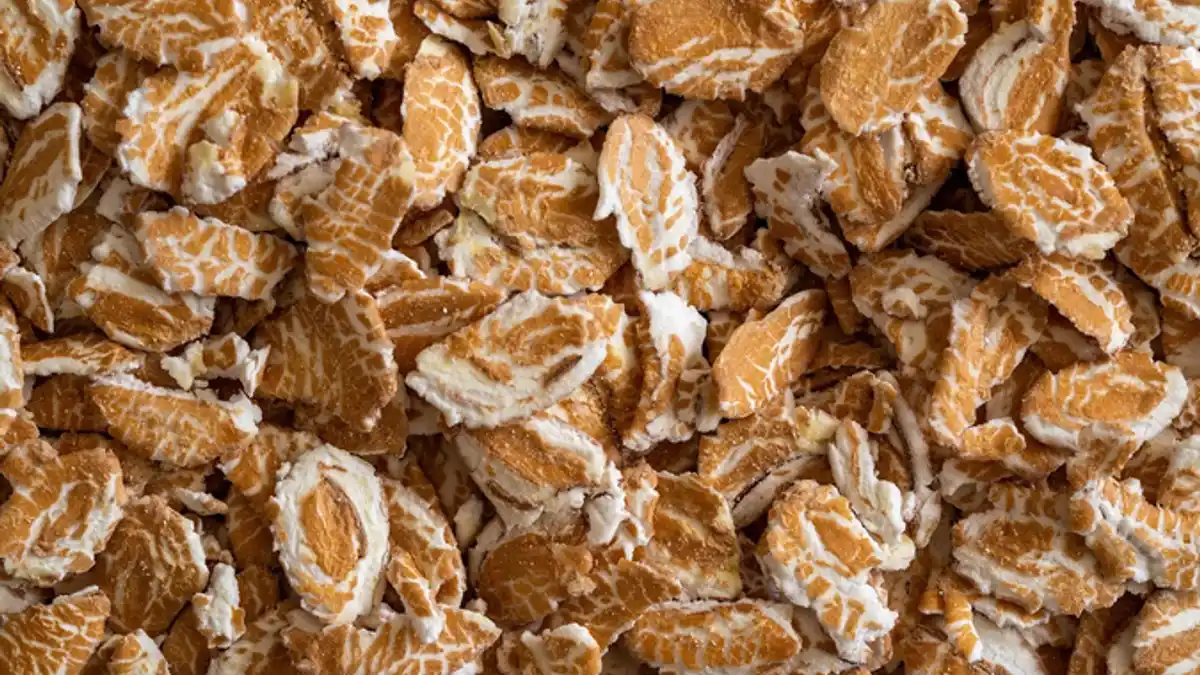
Spelt flakes: classification and UK duty
Heading 1104 covers worked cereal grains and cereal germ. For plain spelt flakes, the relevant wheat-flakes line is 1104 19 10 00. The table shows product variants sharing that tariff line, rather than separate commodity lines. See the wider rolled wheat flakes guide for related products.
Read from the UK Trade Tariff on 29 September 2026, the supplied facts show £146 per 1000 kg for the wheat-flakes line for goods from China, with no recorded anti-dumping duty, countervailing duty or suspension. The tariff attaches an organic import control. For organic orders, ask your customs broker to confirm the applicable certification and clearance requirements; the exporter’s control body issues the certificate of inspection.
Confirm the grain, processing method and full ingredient description with your broker using finding your commodity code. The supplied facts contain no percentage-duty line, so no percentage-based worked order is provided.
| Goods | Commodity code | Duty | Anti-dumping or countervailing duty on China |
|---|---|---|---|
| Plain spelt flakes | 1104 19 10 00 | £146.00 per 1000 kg | None |
Specify the grain and flake texture
Describe the product as spelt wheat flakes and request evidence identifying the grain used. Agree whether the flakes are wholegrain, their thickness, the acceptable amount of broken material and dust, and whether steaming or other heat treatment forms part of production. Request the full ingredient description rather than relying on a photograph.
Approve a retained sample and test it in your intended porridge, bakery mix or cereal blend. Compare hydration, cooking behaviour and texture. Agree moisture, microbiological and contaminant testing with a suitable laboratory, without treating a supplier’s generic report as evidence for the shipment.
Imported cereals must meet the same or equivalent food hygiene standards and procedures as cereals produced in Great Britain. Spelt is a type of wheat and is unsuitable as a substitute for people with coeliac disease or wheat allergy. Check the proposed label and product description against that identity.
Inspection checklist
Identity: match the supplier’s grain records, product specification, retained sample and shipment description.
Flakes: compare thickness, colour, broken flakes, dust and cooking behaviour with the approved sample.
Condition: inspect for dampness, clumping, insects, foreign material, musty odours and damaged bag seals.
Records: match bag batch markings to the packing list and laboratory report; check that organic paperwork describes the actual shipment.
What goes wrong
A sample can perform well while the shipment contains more dust or a different flake thickness. This changes hydration and finished texture. Write acceptance criteria into the order and compare arrival samples with the retained sample before releasing the stock.
A product described only as an ancient grain can leave wheat identity unclear. Generic laboratory reports and mismatched organic documents also make shipment assessment harder. Resolve discrepancies before dispatch and hold affected stock separately while investigating.
Cambridge China Bridge sources these products for UK businesses, checking the factory and the documents before shipment. See factory verification. For repeat volumes, see container programmes.
Frequently asked questions
What is the UK import duty on spelt flakes from China?
The supplied facts show £146 per 1000 kg under wheat-flakes code 1104 19 10 00. This is a weight-based duty. Confirm classification for the actual product.
Are spelt flakes suitable for people with wheat allergy?
Spelt is a type of wheat. Official guidance says it is unsuitable as a substitute for people with coeliac disease or wheat allergy.
What should I check before buying organic spelt flakes?
The tariff attaches an organic import control. Ask your customs broker to confirm certification and clearance requirements. The exporter’s control body issues the certificate of inspection.
How do I check spelt flakes on arrival?
Compare grain identity, flake thickness, dust, smell, bag seals and cooking behaviour with the retained sample. Match batch markings and test reports to the shipment.