Sourcing rolled wheat flakes from China
Rolled wheat flakes from China carry duty of £146.00 per 1000kg under 1104 19 10 00, rather than a percentage range. Imported cereals must meet the same or equivalent food hygiene standards and procedures as food produced in Great Britain. Cambridge China Bridge sources rolled wheat flakes.
Buying from China for a business? How our UK China sourcing agent service works · China sourcing agent for small orders and first imports
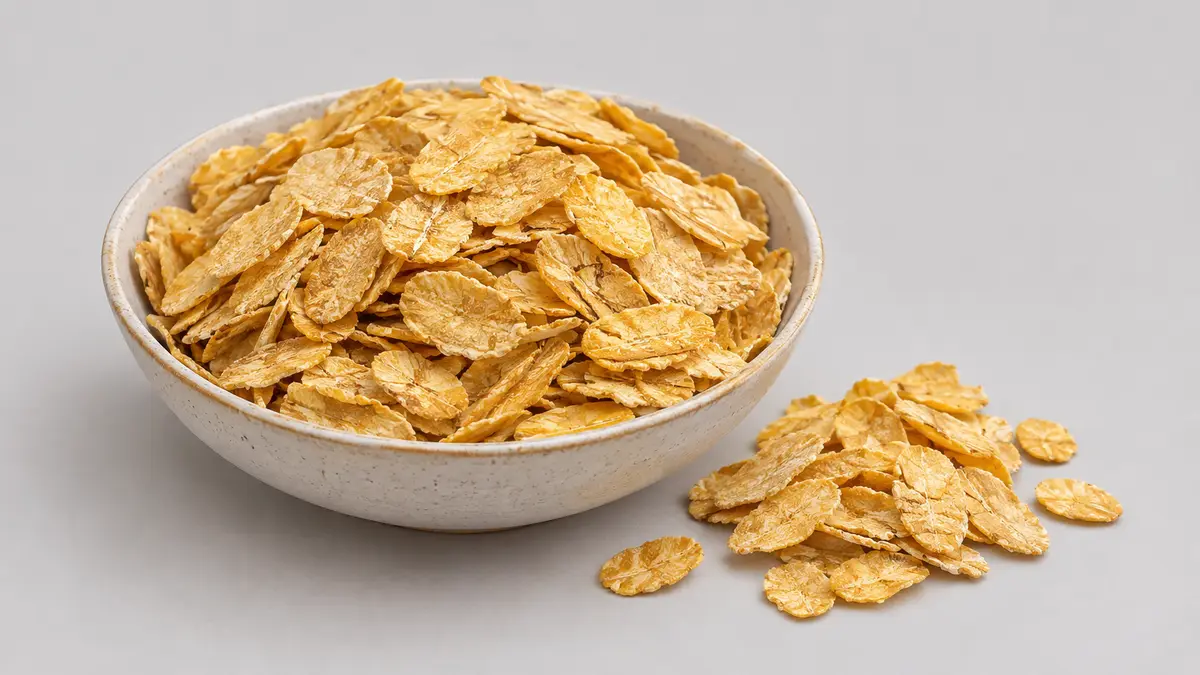
Duty and classification for rolled wheat flakes
Heading 1104 covers otherwise worked cereal grains and cereal germ. Rolled or flaked wheat grains appear under 1104 19 10 00. The other wheat entries in the table are classification comparisons for different products. For the broader product family, see worked cereals.
Read from the UK Trade Tariff on 29 September 2026, the supplied record shows duty of £146.00 per 1000kg for rolled or flaked wheat from China, with no recorded anti-dumping or countervailing duty or suspension. It attaches an organic-products import control. Organic consignments from China entering Great Britain require a Great Britain certificate of inspection. Confirm the arrangements with your organic control body and customs broker before shipment.
Give your broker the grain identity, processing description, ingredients and intended use, then confirm the commodity code. The supplied heading contains no plain percentage duty, so no percentage-based illustrative order is available.
| Goods | Commodity code | Duty | Anti-dumping or countervailing duty on China |
|---|---|---|---|
| Rolled or flaked wheat grains | 1104 19 10 00 | £146.00 per 1000 kg | None |
| Kibbled wheat, classification comparison | 1104 29 51 00 | £82.00 per 1000 kg | None |
| Other worked wheat grains, classification comparison | 1104 29 81 00 | £82.00 per 1000 kg | None |
| Wheat germ, classification comparison | 1104 30 10 00 | £63.00 per 1000 kg | None |
Specify flake thickness and cooking behaviour
Describe plain rolled wheat flakes precisely: wholegrain or bran-reduced, wheat variety where relevant, steaming or other heat treatment, flake thickness, broken flakes and fines. Agree moisture acceptance criteria, colour, odour and the texture expected after preparation. State whether the buyer will cook the flakes or use them in a ready-to-eat product.
Approve a retained sample and trial it in the intended recipe. Agree moisture-resistant inner packing, bag strength, batch identification and storage instructions. Request batch-specific results for moisture, microbiological quality, pesticide residues and mycotoxins as purchasing checks.
Review the wheat declaration and any other ingredients before approving artwork. For prepacked products, allergenic ingredients must be emphasised each time they appear in the ingredients list. Agree who reviews the finished label and who supplies supporting product information.
Inspection checklist
Flakes: compare thickness, colour, breakage and fines with the approved sample; trial preparation using the agreed method.
Condition: check for damp clumps, insects, foreign material and stale or musty odours; keep suspect bags separate for investigation.
Packing: inspect liners, seals and bag damage; compare net weight and batch markings with the packing documents.
Documents: match batch results, product description and label artwork to the delivered goods; for organic orders, check the consignment certificate with your broker.
What goes wrong
A sample can perform differently from production flakes when rolling thickness, steaming or the proportion of fines changes. Record the preparation method and acceptance criteria, then compare production samples before dispatch. Excess fines can change mixing behaviour and finished texture.
Moisture ingress, weak liners and damaged seals can leave flakes clumped or musty. Ask for loading photographs and check bags on arrival. A supplier's organic certificate should not be treated as a substitute for the consignment certificate required for import into Great Britain.
Cambridge China Bridge sources these products for UK businesses, checking the factory and the documents before shipment. See factory verification. For repeat volumes, see container programmes.
Frequently asked questions
What is the UK import duty on rolled wheat flakes from China?
The supplied tariff record gives £146.00 per 1000kg under 1104 19 10 00. This is a weight-based duty, not a percentage.
What paperwork do organic wheat flakes need?
Confirm the shipment arrangements with your organic control body and customs broker.
What should I put in a rolled wheat flake specification?
Include grain identity, bran content, heat treatment, flake thickness, moisture acceptance criteria, fines, packing and the intended preparation method. Keep an approved sample for comparison.
How should wheat appear on the ingredients label?
Review the wheat declaration when approving artwork. Allergenic ingredients in prepacked products must be emphasised each time they appear in the ingredients list.