Sourcing solid glass microspheres from China
Solid glass filler microspheres from China, not exceeding 1 mm in diameter, pay 0% UK duty, with no listed anti-dumping duty. Chemical suppliers, including importers, are responsible for hazard classification; specify glass composition and surface treatment. Cambridge China Bridge sources solid glass filler microspheres.
Buying from China for a business? How our UK China sourcing agent service works · China sourcing agent for small orders and first imports
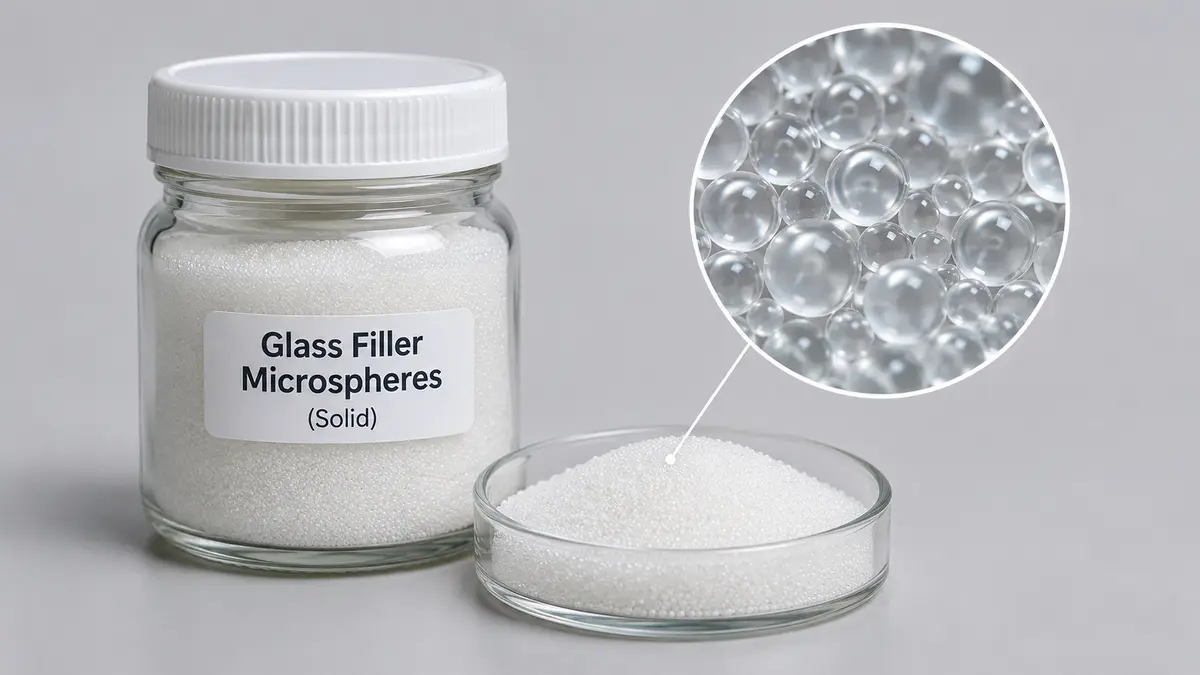
Duty on solid glass filler microspheres
Read from the UK Trade Tariff on 30 September 2026, heading 7018 includes glass microspheres not exceeding 1 mm in diameter. Its solid-glass line is 7018 20 00 10. The table shows buying variants under that same commodity line, rather than separate tariff subdivisions.
The supplied tariff record gives goods from China 0% duty on this line, with no anti-dumping or countervailing measure, suspension or attached import control. Import VAT is normally 20%; see UK import duty and VAT.
Confirm the commodity code using the diameter, solid construction, composition and any surface treatment. Give your broker the technical data sheet rather than relying on the supplier's description of glass beads. For the wider heading and a different filler family, see hollow glass microspheres.
| Goods | Commodity code | Duty | Anti-dumping or countervailing duty on China |
|---|---|---|---|
| Solid glass filler microspheres, uncoated, not exceeding 1 mm | 7018 20 00 10 | 0% | None |
Specify particle distribution and resin compatibility
Specify solid glass explicitly, together with glass composition, particle-size distribution, maximum oversize, roundness, true density, bulk density and moisture acceptance criteria. Agree the test methods and require batch results. A nominal particle size alone does not describe the coarse tail or the fines.
For treated grades, name the treatment chemistry and the resin or binder it must suit. Compare untreated and treated samples in your own formulation, checking wetting, dispersion, viscosity, settling and the cured surface. Agree packaging that keeps the powder dry and contains fines.
Chemical suppliers, including importers, are responsible for hazard classification. Substances and mixtures placed on the Great Britain market must be classified and labelled under its chemical classification and labelling regulation. Obtain composition and treatment information for that assessment. A safety data sheet is required if a hazardous chemical is supplied for workplace use.
Worked duty example
Illustrative example, not a quote: 2 tonnes of solid glass filler microspheres; illustrative order and values under 7018 20 00 10, invoiced at £18,000 free on board, with £1,500 of freight and insurance to the UK. The customs value is £19,500. Duty at 0% is £0. Import VAT at 20% is charged on the customs value plus duty, £19,500, so it is £3,900. With no duty, the only import tax is the VAT, which a VAT-registered importer can usually reclaim. The import duty and VAT guide explains each step.
Inspection checklist
Identity: match bag labels and batch certificates to the ordered grade; compare true density with the approved sample and examine particles for solid spheres, fragments and foreign material.
Particle distribution: sample across bags and compare the measured distribution, fines and oversize with the agreed limits using the same method as the supplier.
Treatment and processing: check treatment identity and batch evidence, then run a formulation trial to compare wetting, dispersion, viscosity and settling with the approved sample.
Packaging and moisture: check liners, seals, net weight, batch identification and signs of damp or caking. Keep retained samples and record results through the inspection checklist process.
Working out your own order? Send us the product on WhatsApp and we reply the same working day: WhatsApp us
What goes wrong
A matching grade name can conceal a changed particle distribution or surface treatment. Oversize and fragments can spoil the coating finish; damp or agglomerated powder can disperse poorly. A substitute hollow grade changes density and formulation behaviour. Compare incoming material with retained samples and trial it in the intended binder before releasing the batch.
Do not treat a safety data sheet as a workplace risk assessment. Review the handling information before opening bags or charging mixers, and plan how to contain dust during sampling, transfer and clean-up.
Cambridge China Bridge sources these products for UK businesses, checking the factory and the documents before shipment. See factory verification. For own-brand ranges, see sourcing for brands.
Frequently asked questions
What is the UK import duty on solid glass microspheres from China?
The supplied tariff record gives 0% duty for solid glass microspheres not exceeding 1 mm under 7018 20 00 10, with no listed anti-dumping or countervailing measure.
Are solid and hollow glass microspheres interchangeable?
Do not approve substitution from the grade name alone. Compare true density, particle distribution and performance in your formulation, and specify solid glass in the purchase order.
What should I specify for glass microsphere filler?
Glass composition, particle distribution, oversize, roundness, density, moisture and surface treatment. Name the binder and agree test methods and batch acceptance criteria.
Do solid glass filler microspheres need a safety data sheet?
A safety data sheet is required if the chemical is hazardous and supplied for workplace use. Assess the actual composition and treatment; do not decide from the product name alone.