Sourcing smoked beer from China
Smoked beer made from malt from China carries 0% UK customs duty across the listed pack formats. Confirm separate Alcohol Duty obligations with HMRC or your customs broker, and alcoholic-strength and gluten-containing cereal allergen labelling with the relevant food authority. Added smoke flavourings need authorisation for the Great Britain market. Cambridge China Bridge sources smoked beer.
Buying from China for a business? How our UK China sourcing agent service works · China sourcing agent for small orders and first imports
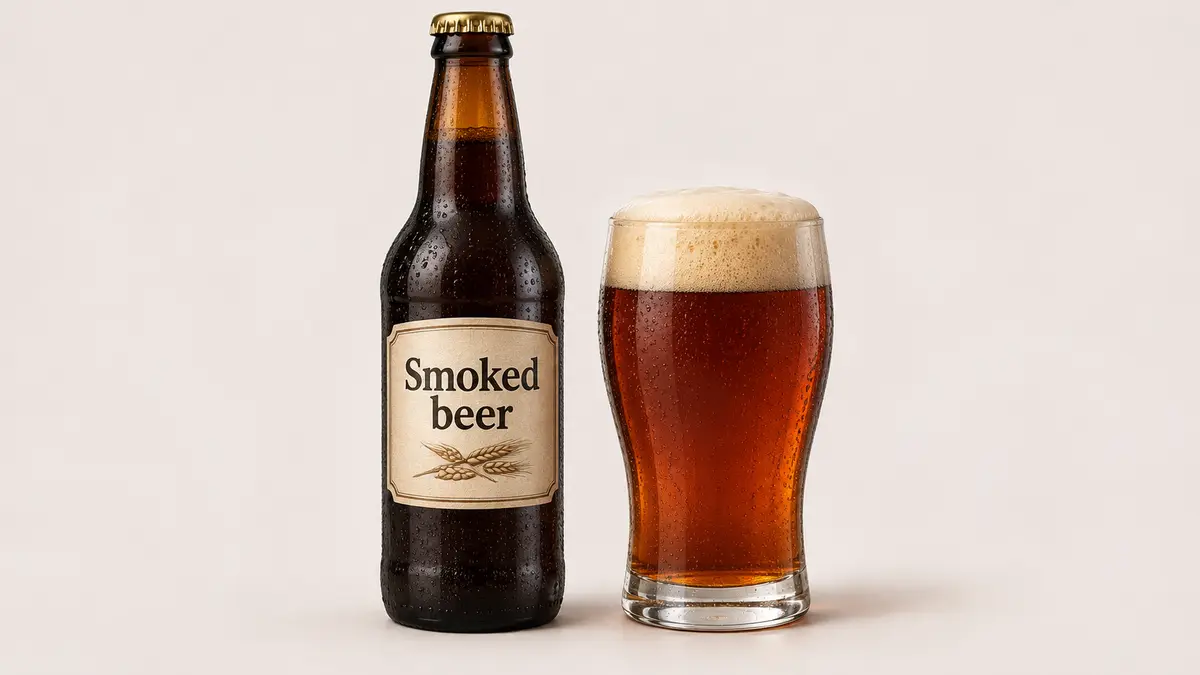
0% customs duty, with Alcohol Duty separate
Read from the UK Trade Tariff on 12 October 2026, heading 2203 covers beer made from malt, including smoked beer that meets that description. The supplied lines distinguish bottles, other containers holding 10 litres or less, and containers holding more than 10 litres. All carry 0% customs duty for goods from China, with no anti-dumping or countervailing duty or suspension recorded. Cans and mini kegs share a commodity line. See the wider beer sourcing guide.
Confirm separate Alcohol Duty obligations and the pure-alcohol calculation with HMRC or your customs broker. Ask when duty is payable and whether an excise-warehouse arrangement is appropriate. Agree who will account for it before shipment. Confirm how customs duty and Alcohol Duty enter the import VAT calculation at 20%. Ask HMRC whether your UK-established business needs Alcohol Wholesaler Registration Scheme approval for wholesale activities at or after the duty point, including any exclusions. See import duty and VAT.
The UK Trade Tariff attaches an organic-products import control. For an organic order from China, ask the exporter about the certificate of inspection, which is issued by its control body in the country of export. Have your customs broker confirm the applicable organic import requirements before dispatch. Confirm the recipe and container capacity using finding your commodity code.
| Goods | Commodity code | Duty | Anti-dumping or countervailing duty on China |
|---|---|---|---|
| Smoked beer in bottles holding 10 litres or less | 2203 00 01 00 | 0% | None |
| Smoked beer in cans holding 10 litres or less | 2203 00 09 00 | 0% | None |
| Smoked beer in containers holding more than 10 litres | 2203 00 10 00 | 0% | None |
Specify the smoke source and flavour profile
Ask whether the smoke character comes from smoked malt or an added smoke flavouring. Record the malt recipe, smoking method, smoke intensity, sweetness, bitterness, colour and finish. Approve a retained tasting sample and require the brewery to disclose recipe changes. Specify alcoholic strength and tolerance, carbonation, filtration or pasteurisation, pack format, storage conditions and remaining shelf life on arrival.
Added smoke flavourings need authorisation before being placed on the Great Britain market. If the brewery uses one, request its identity and supplier documents for review before approving the recipe. Confirm alcoholic-strength labelling and the treatment of gluten-containing cereal allergens such as barley or wheat with the relevant food authority. Also confirm the required product name, net quantity, UK business name and address, and any required date mark.
Worked duty example
Illustrative example, not a quote: Illustrative only: 3,000 bottles of 500 ml smoked beer at 5% alcohol by volume under 2203 00 01 00, invoiced at £3,000 free on board, with £1,500 of freight and insurance to the UK. The customs value is £4,500. Duty at 0% is £0. Import VAT at 20% is charged on the customs value plus duty, £4,500, so it is £900. With no duty, the only import tax is the VAT, which a VAT-registered importer can usually reclaim. The import duty and VAT guide explains each step. HMRC's VAT Notice 701/14 lists alcoholic beverages among the exceptions that are standard-rated even though most food is zero-rated, so the 20% VAT shown applies.
Inspection checklist
Flavour: compare shipment samples with the retained sample for smoke intensity, malt balance, bitterness and unwanted burnt or stale notes.
Laboratory: check alcoholic strength against the label and duty band, plus microbiological stability and carbonation against the agreed specification.
Packaging: check fill levels, bottle closures, can seams, keg fittings, leaks, label artwork and batch or date codes.
Arrival: inspect pallet stability, damaged cases and signs of heat or freezing; compare remaining shelf life with the purchase specification. Plan sampling with the quality inspection guide.
Working out your own order? Send us the product on WhatsApp and we reply the same working day: WhatsApp us
What goes wrong
A tasting sample can match the brief while the production batch has a harsher smoke character or a different malt balance. Recipe substitutions, variable smoking and transport conditions can undermine the agreed flavour. Keep a retained sample, document the smoke source and compare production samples before release.
Customs duty alone does not show the landed tax cost. Strength differences can change Alcohol Duty, missing label information delays sale preparation, and organic claims need an agreed paperwork route. Settle the duty arrangements and review the final recipe, labels and documents before shipping.
Cambridge China Bridge sources these products for UK businesses, checking the factory and the documents before shipment. See factory verification. For repeat volumes, see container programmes.
Frequently asked questions
What is the UK import duty on smoked beer from China?
The supplied heading 2203 lines carry 0% customs duty for goods from China. Confirm separate Alcohol Duty obligations and how duties enter the import VAT calculation at 20% with HMRC or your customs broker.
Can a Chinese brewery add smoke flavouring?
Smoke flavourings need authorisation before being placed on the Great Britain market. Ask the brewery to identify any added flavouring and provide supplier documents for review before approving the recipe.
What must a smoked beer label show?
Confirm alcoholic-strength labelling, the treatment of gluten-containing cereal allergens, the product name, net quantity, UK business name and address, and any required date mark with the relevant food authority.
What should I check for organic smoked beer?
The tariff attaches an organic import control. Ask about the certificate of inspection issued by the exporter's control body, and have your customs broker confirm the requirements for your China shipment.