Sourcing shaving brushes from China
Shaving brushes from China carry 2% UK duty, with no additional trade remedy shown in the supplied tariff snapshot. Confirm applicable consumer-product safety requirements with Trading Standards; natural hair needs species checks because CITES controls and the cat and dog fur ban may affect the material. Cambridge China Bridge sources shaving brushes.
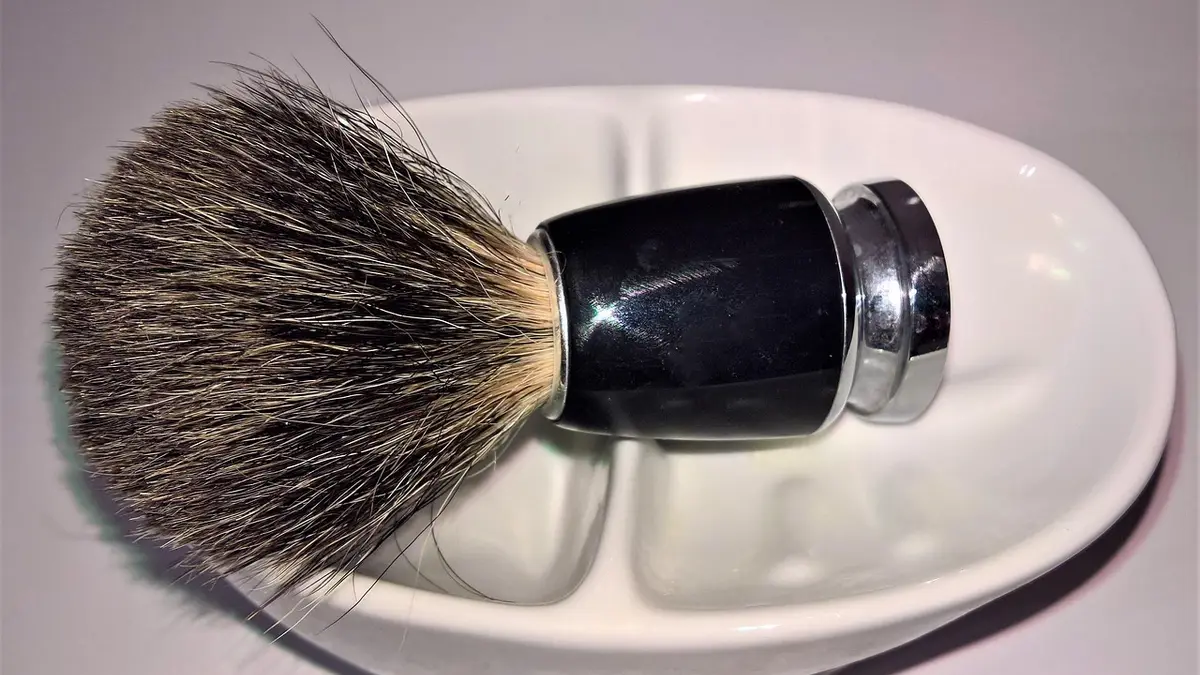
Shaving brush duty and material controls
Read from the UK Trade Tariff on 30 September 2026, heading 9603 covers brushes, including shaving brushes. The relevant line is 9603 29 80 00, other toilet brushes for use on the person. The table shows shaving brush variants sharing this code, rather than separate tariff lines.
Goods from China carry 2% duty. The supplied line shows no anti-dumping or countervailing duty and no suspension. It attaches CITES import and export controls and cat and dog fur import and export controls. Imports and exports of cat and dog fur and products made from it are banned. For natural hair, identify the species and ask your customs broker to confirm the applicable CITES requirement before shipment.
Confirm the commodity code against the finished brush and its use, especially when importing a set with other products. For cosmetic application brushes elsewhere within the heading, see makeup brush sets.
| Goods | Commodity code | Duty | Anti-dumping or countervailing duty on China |
|---|---|---|---|
| Shaving brushes with synthetic filaments | 9603 29 80 00 | 2% | None |
Specify the shaving brush knot and handle
Specify synthetic filament or the exact natural-hair species, any blend, knot diameter, exposed hair length, profile and packing density. Agree the wet softness, resistance to splaying and lathering feel against an approved sample. A supplier's hair-grade name alone does not define the brush.
Specify handle material, grip shape, finish, knot seating and adhesive. Agree checks after repeated wetting, rinsing and drying. Confirm applicable consumer-product safety requirements with Trading Standards, including how the General Product Safety Regulations 2005 apply. Check handles for smoothness and assess the suitability of coatings and plastics.
For materials potentially covered by CITES, official guidance requires a permit for species listed on Annex A, B or C in Species+. Have the broker confirm the paperwork applicable to the identified material from China; do not treat a generic natural-hair description as clearance evidence.
Worked duty example
Illustrative example, not a quote: Illustrative carton order of synthetic shaving brushes under 9603 29 80 00, invoiced at £2,500 free on board, with £590 of freight and insurance to the UK. The customs value is £3,090. Duty at 2% is £61.80. Import VAT at 20% is charged on the customs value plus duty, £3,151.80, so it is £630.36. Import taxes total £692.16; a VAT-registered importer can usually reclaim the VAT, so the lasting cost is the £61.80 of duty. The import duty and VAT guide explains each step.
Inspection checklist
Knot retention: check shedding during dry handling and lathering, then check that the knot stays fixed after the agreed wet-use test.
Lathering feel: compare wet softness, splaying, spring-back and lather release with the approved sample.
Handle finish: check sharp edges, cracks, coating defects, grip and movement between the knot and handle.
Arrival condition: check dampness, mould, odour, crushed knots and material descriptions on the pack. Use the agreed inspection brief.
Working out your own order? Send us the product on WhatsApp and we reply the same working day: WhatsApp us
What goes wrong
Loose hairs end up in the lather, weak adhesive lets the knot rotate, and a dense-looking dry brush collapses when wet. Handles can crack or coatings can lift after soaking. Compare production samples after wet use rather than accepting appearance alone.
Natural-hair substitutions can change both performance and the material checks needed before import. Require the factory to identify the hair and disclose proposed substitutions before production. Keep the approved sample and material declaration together.
Cambridge China Bridge sources these products for UK businesses, checking the factory and the documents before shipment. See factory verification. For own-brand ranges, see sourcing for brands.
Frequently asked questions
What is the UK import duty on shaving brushes from China?
The supplied tariff snapshot shows 2% for 9603 29 80 00, with no anti-dumping or countervailing duty and no suspension.
Can I import natural-hair shaving brushes from China?
Identify the species first. The tariff attaches CITES controls; ask your broker to confirm the applicable paperwork. Cat and dog fur and products made from it cannot be imported.
What should I specify for a synthetic shaving brush?
Specify filament type, knot diameter, exposed length, profile, density, handle material and knot fixing. Approve wet softness and lathering performance against a sample.
How do I check shaving brushes on arrival?
Compare the knot and handle with the approved sample. Check shedding, wet-use retention, handle finish, odour, dampness and crushed brush heads.