Sourcing Sencha green tea from China
Sencha green tea from China carries 0% to 2% UK duty: immediate packs of 3 kg or less pay 2%, while larger packs pay 0%. Confirm pesticide-related border controls, pre-notification and entry-document requirements for Chinese tea with the relevant port-health authority before shipping. Cambridge China Bridge sources Sencha green tea.
Buying from China for a business? How our UK China sourcing agent service works · China sourcing agent for small orders and first imports
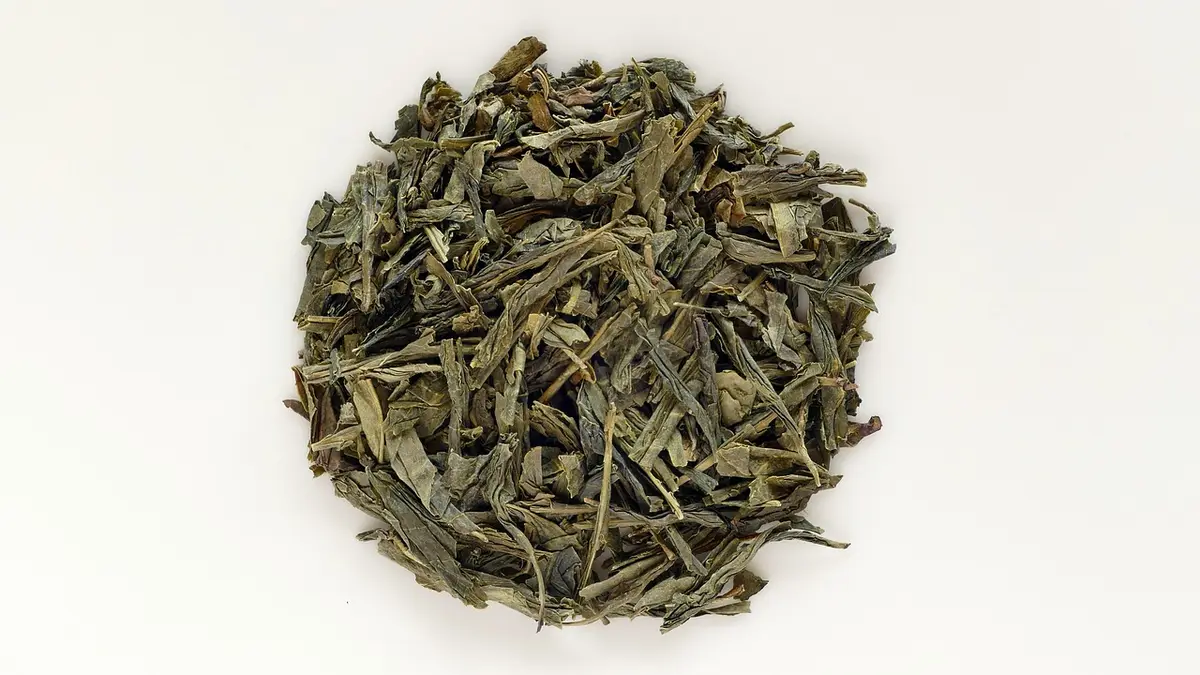
Sencha duty depends on immediate pack size
Heading 0902 covers tea, whether or not flavoured. Sencha green tea falls within the unfermented green-tea lines. The table shows unflavoured and flavoured formats under the same codes. Specify the immediate pack weight when confirming your commodity code. For wider heading context, see our gunpowder green tea guide.
Read from the UK Trade Tariff on 30 September 2026, Chinese green tea in immediate packings not exceeding 3 kg carries 2% duty under 0902 10 00 00. Other green tea carries 0% under 0902 20 00 00. The supplied tariff facts list no anti-dumping or countervailing duty and no suspension for these lines.
The tariff attaches a restriction on entry into free circulation and an organic import control. Confirm pre-notification, border control post checks and common health entry document finalisation requirements for Chinese tea with the relevant port-health authority before release. Where a CHED-D is required, submit it to the border control post through IPAFFS. Ask your broker to confirm health certificate and laboratory report requirements before dispatch. Organic imports need a valid certificate of inspection.
| Goods | Commodity code | Duty | Anti-dumping or countervailing duty on China |
|---|---|---|---|
| Unflavoured Sencha green tea, immediate packs not exceeding 3 kg | 0902 10 00 00 | 2% | None |
| Unflavoured Sencha green tea, immediate packs exceeding 3 kg | 0902 20 00 00 | 0% | None |
Specify the Sencha leaf and brewed sample
State Chinese origin, growing region, harvest, cultivar where relevant, and whether the factory uses steaming or pan firing. Agree leaf shape, colour, broken leaf and stalk content, moisture, aroma and brewed flavour against a retained sample. Specify loose leaf or tea-bag material, plain or flavoured tea, and the immediate pack weight.
Agree a repeatable tasting method with the processor and compare production samples using it. Request batch-linked pesticide and contaminant reports against Great Britain requirements. For retail packs, check the name, net quantity, best before date, storage conditions, origin and UK food business address; confirm ingredient and allergen labelling requirements for flavoured blends with the relevant food authority.
Worked duty example
Illustrative example, not a quote: Illustrative order: 100 kg of Sencha green tea in 100 g retail packs under 0902 10 00 00, invoiced at £2,000 free on board, with £1,040 of freight and insurance to the UK. The customs value is £3,040. Duty at 2% is £60.80. Import VAT at 20% is charged on the customs value plus duty, £3,100.80, so it is £620.16. Import taxes total £680.96; a VAT-registered importer can usually reclaim the VAT, so the lasting cost is the £60.80 of duty. The import duty and VAT guide explains each step. This assumes the goods are standard-rated for VAT. Most food for human consumption is zero-rated, and animal feed can be too, in which case no import VAT is due, so check the rate for your product in HMRC's VAT Notice 701/14.
Inspection checklist
Identity: compare leaf shape, colour, stalks and broken pieces with the approved Sencha sample; reconcile the batch with the supplier records.
Cup: compare aroma, liquor colour, bitterness and aftertaste using the agreed brewing method; investigate smoky, musty or packaging odours.
Safety: check that pesticide and contaminant reports identify the shipped batch and cover the agreed testing scope.
Packing: check moisture protection, seals, net contents, label artwork and batch identification on arrival. Plan sampling through our quality inspection guide.
Working out your own order? Send us the product on WhatsApp and we reply the same working day: WhatsApp us
What goes wrong
A sample can brew differently from the shipment when the processor changes the harvest, firing method or blend. Excess broken leaf changes extraction and makes cups harder to reproduce. Moisture, heat and packaging odours can leave Sencha stale or tainted. Retain the approved sample and compare the shipment before releasing stock.
Pesticide failures and missing border paperwork can prevent release. A supplier's organic claim does not replace the inspection certificate. Arrange batch testing and review documents before shipment. Confirm the VAT treatment of tea with HMRC or your customs broker; use the import duty and VAT guide when building the landed-cost calculation.
Cambridge China Bridge sources these products for UK businesses, checking the factory and the documents before shipment. See factory verification. For repeat volumes, see container programmes.
Frequently asked questions
What is the UK import duty on Sencha green tea from China?
The supplied tariff facts show 2% under 0902 10 00 00 for immediate packs not exceeding 3 kg, and 0% under 0902 20 00 00 for larger immediate packs.
Does Sencha green tea from China need border checks?
Confirm whether Chinese tea is subject to increased controls for pesticide residues with the relevant port-health authority. Confirm pre-notification and border checks, and check certificate and laboratory report requirements with your broker.
Can I import Chinese Sencha as organic?
Organic imports into Great Britain need a valid certificate of inspection. The exporter's control body issues it; check the paperwork before shipping.
What should I specify when buying Sencha?
Specify Chinese origin, harvest, processing method, leaf grade, moisture, brewed flavour and packing. Approve a retained sample and require batch-linked residue reports.