Sourcing Raw In-Shell Pistachios from China
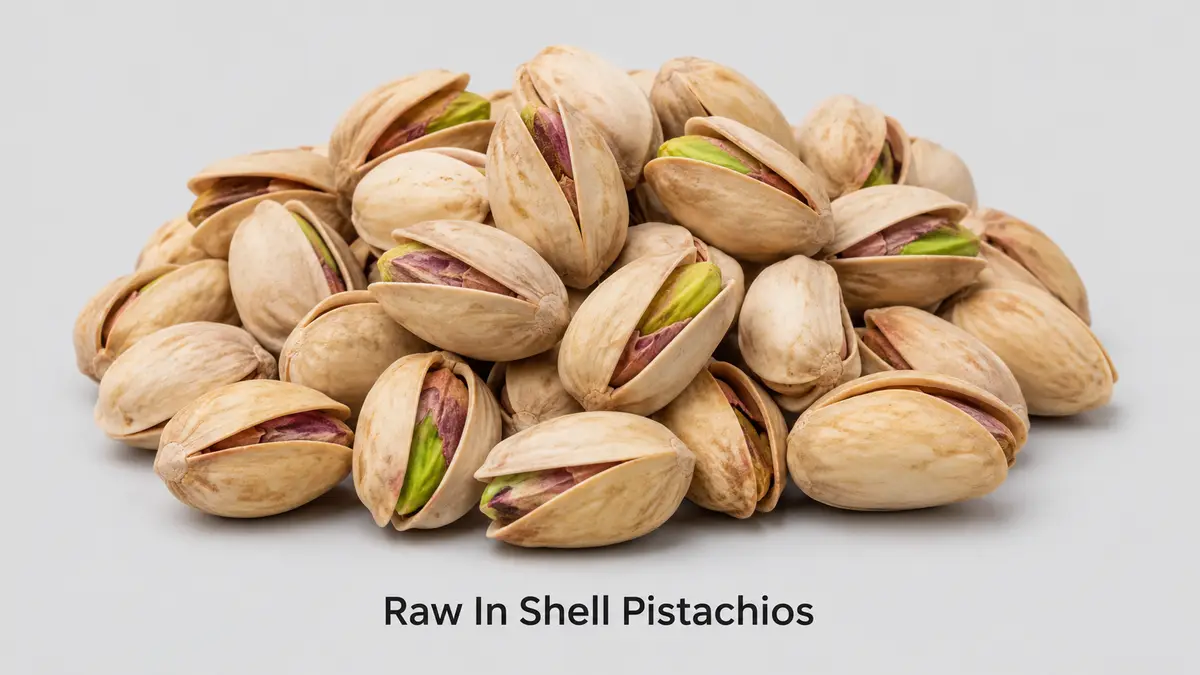
Raw in-shell pistachios from China carry 0% UK duty across this product family. Imported nuts must meet food hygiene standards and applicable aflatoxin limits; organic consignments need inspection certificates. Specify growing origin, shell opening and batch testing. Cambridge China Bridge sources raw in-shell pistachios.
Buying from China for a business? How our UK China sourcing agent service works · China sourcing agent for small orders and first imports
Duty and organic import controls
Read from the UK Trade Tariff on 1 October 2026, heading 0802 covers other nuts, fresh or dried, whether or not shelled or peeled. Raw in-shell pistachios fall under 0802 51 00 00, carrying 0% duty for goods from China. The supplied tariff record lists no anti-dumping or countervailing duty and no suspension for this line. The table shows commercial variants sharing the same code.
The tariff attaches import control of organic products. For organic consignments from China into Great Britain, obtain an inspection certificate and check the exporter’s control body and exporting country against the recognised organic registers. The exporter’s control body issues the certificate. Your business must also be certified by an approved UK organic control body.
Keep the specification explicit about raw, unroasted and unsalted goods. Roasted, salted or coated nuts require a different classification check. Confirm the commodity code before ordering. For shelled goods and related purchasing considerations, see the pistachio kernels guide.
| Goods | Commodity code | Duty | Anti-dumping or countervailing duty on China |
|---|---|---|---|
| Raw in-shell pistachios, naturally split | 0802 51 00 00 | 0% | None |
Specify the shell opening and growing origin
Record the growing country separately from the Chinese packing site. Specify variety, harvest, size grading, naturally split or mechanically opened shells, acceptable closed shells, empty shells, staining, insect damage and moisture. Agree kernel colour and flavour against a retained sample, and state whether the nuts are intended for direct consumption or further processing.
Imported nuts must meet the same food hygiene standards as food produced in Great Britain. Applicable aflatoxin limits also cover imports. Arrange representative batch sampling and laboratory testing before shipment, with acceptance criteria agreed for the intended use. Specify sealed liners, storage conditions and batch identification so the report can be matched to the delivered nuts.
Worked duty example
Illustrative example, not a quote: Illustrative order: 5 tonnes of raw in-shell pistachios under 0802 51 00 00, invoiced at £26,000 free on board, with £2,500 of freight and insurance to the UK. The customs value is £28,500. Duty at 0% is £0. Import VAT at 20% is charged on the customs value plus duty, £28,500, so it is £5,700. With no duty, the only import tax is the VAT, which a VAT-registered importer can usually reclaim. The import duty and VAT guide explains each step. This assumes the goods are standard-rated for VAT. Most food for human consumption is zero-rated, and animal feed can be too, in which case no import VAT is due, so check the rate for your product in HMRC's VAT Notice 701/14.
Inspection checklist
Shells: compare size and opening with the approved sample; count closed, empty, stained and damaged shells across the sampled cartons.
Kernels: crack sampled nuts to inspect filling, colour, shrivelling, mould and insect damage; investigate stale or rancid odours before any tasting.
Batch evidence: match laboratory reports to the actual lot and check the sampling record, aflatoxin results, moisture and agreed residue testing. Visual inspection cannot replace laboratory testing.
Packs and labels: check liners, seals, condensation and batch references on arrival. Where an ingredients list is used, name and emphasise pistachio as the allergen. For a single-ingredient product whose name clearly identifies pistachios, further allergen indication is not required.
Working out your own order? Send us the product on WhatsApp and we reply the same working day: WhatsApp us
What goes wrong
A sample dominated by naturally split nuts can be followed by cartons containing closed shells, mechanically opened nuts or empty shells. Damp storage can produce mould, while warm storage can leave kernels rancid. Draw samples across the lot and compare them with the agreed specification. Use the quality inspection guide to organise the checks.
A Chinese packing address does not establish where the nuts were grown. Official guidance identifies special aflatoxin import conditions for pistachios from Iran and Turkey, including entry through designated border control posts. Ask the broker to check the actual origin and route before shipping. For organic orders, check the inspection certificate before dispatch.
Cambridge China Bridge sources these products for UK businesses, checking the factory and the documents before shipment. See factory verification. For repeat volumes, see container programmes.
Frequently asked questions
What is the UK import duty on raw in-shell pistachios from China?
The supplied tariff reading gives 0% for 0802 51 00 00, with no anti-dumping or countervailing duty and no suspension listed.
Do organic pistachios from China need an inspection certificate?
Yes. Each organic consignment into Great Britain needs an inspection certificate. Check the recognised exporter control body and your own UK organic importer certification.
Can I judge aflatoxin safety by looking at the shells?
No. Mycotoxins can occur unevenly within a batch. Arrange representative sampling and laboratory testing; clean-looking shells do not establish compliance.
What should I specify for raw in-shell pistachios?
State growing origin, variety, harvest, size, natural or mechanical opening, acceptable closed and empty shells, moisture, kernel condition, packaging and batch testing.