Sourcing RAM modules from China
RAM modules from China under the computer electronic assemblies line carry 0% UK duty, with no trade remedy shown. Match the module to the target machine and assess hazardous-substance rules against how it will be supplied. Cambridge China Bridge sources RAM modules.
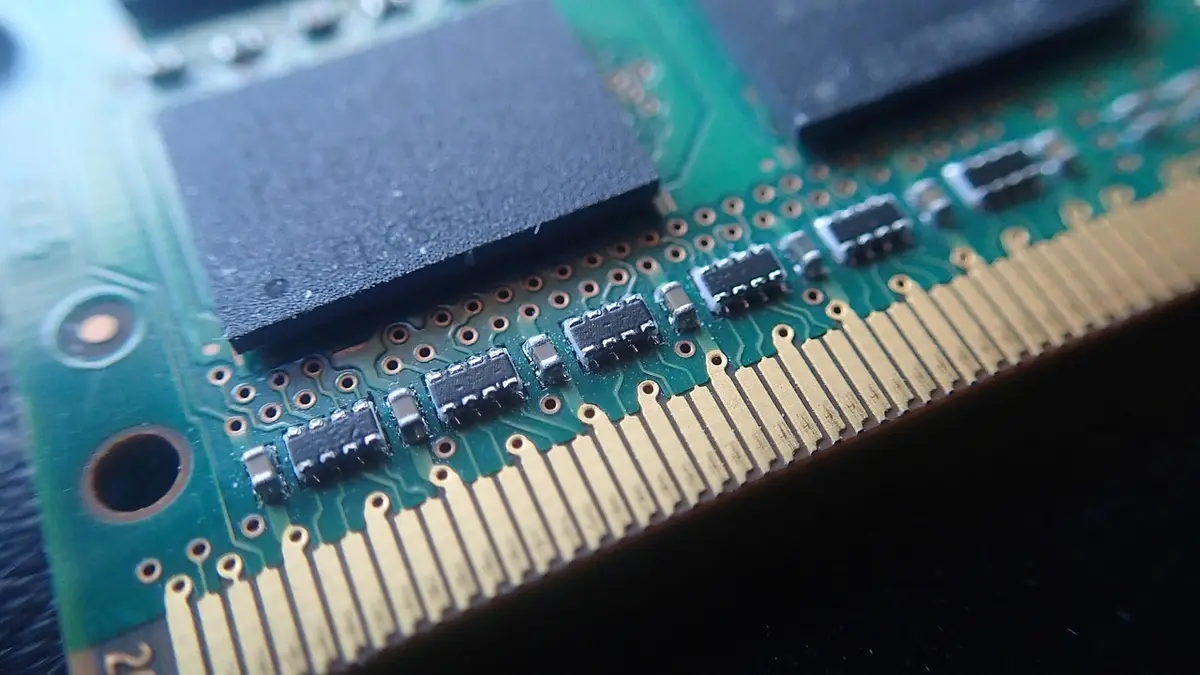
RAM modules and zero duty
Heading 8473 covers parts and accessories for computing and office machines. As computer electronic assemblies, RAM modules fall within 8473 30 20 00, subject to confirmation for the actual product. The table shows module applications sharing this code, rather than separate tariff subdivisions.
Read from the UK Trade Tariff on 9 October 2026, the computer electronic assemblies line carries 0% duty for goods from China. The supplied record shows no anti-dumping or countervailing duty, suspension or attached import control for this line. Import VAT is normally 20%; see the duty and VAT guide.
Confirm the commodity code using the module specification and intended machine. This guide concerns assembled RAM modules; the computer parts and components guide covers the wider product family. For server expansion components, see our server PCIe riser card sourcing guide. For server applications, see our server memory module sourcing guide.
| Goods | Commodity code | Duty | Anti-dumping or countervailing duty on China |
|---|---|---|---|
| Desktop RAM modules | 8473 30 20 00 | 0% | None |
Specify the memory and target machine
State the memory generation, capacity, module format, rated speed, timings, voltage, error-correction capability and registered or unbuffered construction. Name the target motherboard or computer model and the approved module part number. Specify whether modules and chips must be new or may be recovered, and agree whether chip makers or board revisions can change.
For Great Britain, official hazardous-substance guidance says component parts sold business to business are outside the regulations' scope. Waste electrical equipment guidance also says components supplied to a business for building a finished product are not electrical equipment products. Assess the actual supply route before relying on either distinction, particularly for retail upgrade modules. Request material compliance evidence for the intended use.
Worked duty example
Illustrative example, not a quote: Illustrative order: 1,500 RAM modules; FOB value and freight are illustrative under 8473 30 20 00, invoiced at £30,000 free on board, with £1,500 of freight and insurance to the UK. The customs value is £31,500. Duty at 0% is £0. Import VAT at 20% is charged on the customs value plus duty, £31,500, so it is £6,300. With no duty, the only import tax is the VAT, which a VAT-registered importer can usually reclaim. The import duty and VAT guide explains each step.
Inspection checklist
Identity: compare module labels, chip markings, board revisions and supplier traceability with the approved sample; check for resurfaced chips, altered labels and previous installation marks.
Compatibility: install sampled modules in the named machines, confirm recognised capacity and operating settings, and test the intended combination of modules.
Memory testing: run memory diagnostics and sustained workloads; record errors, boot failures and instability against the module and batch.
Packing: check shielding bags or suitable anti-static trays, protected contacts and batch identification before shipment, then inspect for damage on arrival. Agree the scope of quality inspection before production.
Working out your own order? Send us the product on WhatsApp and we reply the same working day: WhatsApp us
What goes wrong
Modules can fit the slot but fail to work with the machine's memory controller or existing memory. A supplier may change chip organisation or board construction after sample approval. Recovered chips, remarked components and altered identification data can make a module appear to match the order while its behaviour differs.
A successful boot does not establish stable memory operation. Test the approved configuration under sustained load and repeat arrival checks before distributing stock. Keep suspect batches separate and agree how the supplier will handle dead-on-arrival modules, intermittent faults and unauthorised substitutions.
Cambridge China Bridge sources these products for UK businesses, checking the factory and the documents before shipment. See factory verification. For machinery and equipment, see machinery imports.
Frequently asked questions
What is the UK import duty on RAM modules from China?
The supplied tariff record shows 0% duty under 8473 30 20 00, with no anti-dumping or countervailing duty. Confirm that the actual modules belong in this line.
How do I check that RAM will work in my computers?
Specify the target machines, memory generation, format, capacity and operating settings. Test samples in those machines with the intended combination of modules.
How can I avoid used RAM sold as new?
Write the required condition into the order. Request component traceability and inspect chip markings, labels, contacts and boards for signs of previous use or reworking.
What should I test when RAM modules arrive?
Check identity, packaging and physical condition, then verify recognised capacity and run memory diagnostics and sustained workloads in the target machines. Record results by batch.