Sourcing railway bogie bolsters from China
Railway bogie bolsters from China fall within the bogie-parts line carrying 0% UK duty, with no recorded trade remedy. Agree the operator's approval route and drawing before ordering, and check material traceability, structural inspection records and mounting geometry. Cambridge China Bridge sources railway bogie bolsters.
Buying from China for a business? How our UK China sourcing agent service works · China sourcing agent for small orders and first imports
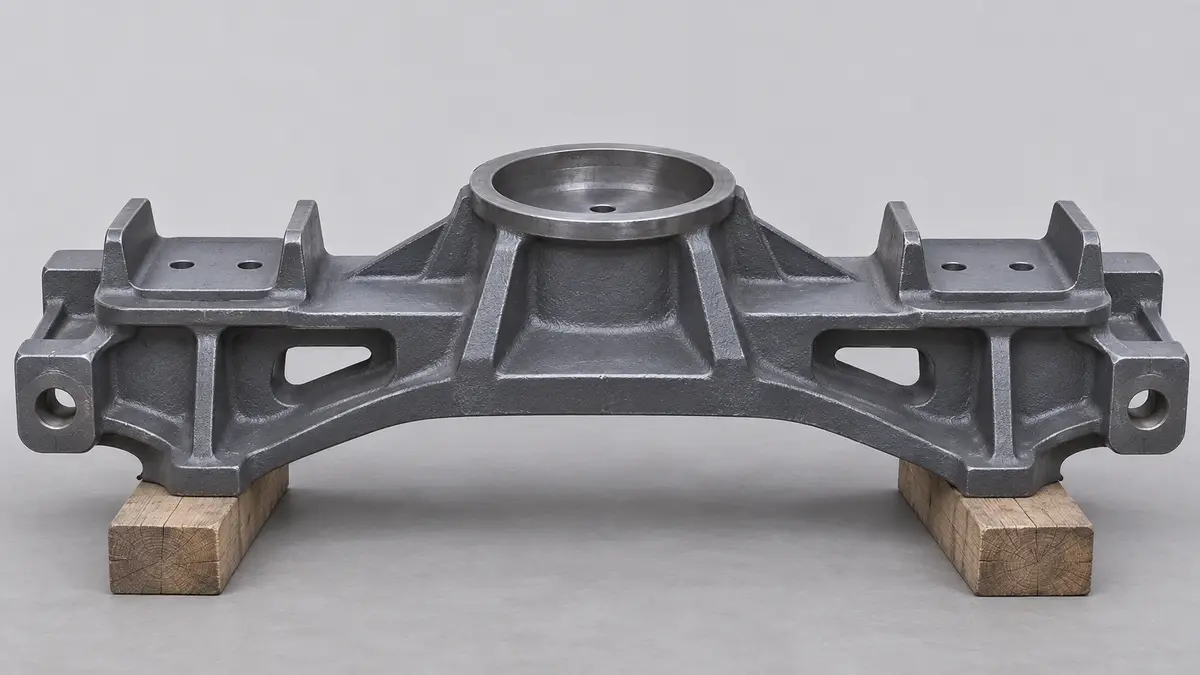
Duty on railway bogie bolsters
Read from the UK Trade Tariff on 30 September 2026, heading 8607 covers parts of railway or tramway locomotives or rolling stock. Railway bogie bolsters are candidates for 8607 19 90 00, parts of bogies and similar assemblies. The table shows bolster variants sharing that commodity line, rather than separate tariff subdivisions.
The supplied tariff records 0% duty for goods from China, no anti-dumping or countervailing measure and no suspension for this line. It attaches an ozone-depleting-substances restriction on entry into free circulation; confirm the applicable declaration with your customs broker. Imports of ozone-depleting substances themselves into Great Britain require a licence.
The tariff also lists a cultural-goods export licence control. Official guidance concerns exporting objects of cultural interest from Great Britain; ask your broker to confirm its relevance to your transaction. Confirm the commodity code using the drawing, function and condition at import. See the bogie-frame guide for related structural parts.
| Goods | Commodity code | Duty | Anti-dumping or countervailing duty on China |
|---|---|---|---|
| Cast railway bogie bolsters | 8607 19 90 00 | 0% | None |
Specify the bolster and its vehicle interfaces
Send the factory the controlled drawing and revision, vehicle and bogie identification, material grade, casting or fabrication route, heat treatment, machining tolerances and coating specification. Identify the centre bearing, side-bearing faces, spring seats and attachment holes that apply to your design. Agree inspection datums and acceptance criteria before production.
Ask the operator or maintenance customer to agree the approval route and evidence package. Ask the relevant rail authority to confirm any conformity assessment requirements for interoperability constituents, and whether that category applies to the proposed supply; use the site's rolling-stock guide as a starting point for that discussion. Approved bodies assess against national technical specification notices, while designated bodies assess against national technical rules. Agree any project-specific testing through testing and certification.
Worked duty example
Illustrative example, not a quote: 40 replacement bogie bolsters, illustrative only under 8607 19 90 00, invoiced at £160,000 free on board, with £12,000 of freight and insurance to the UK. The customs value is £172,000. Duty at 0% is £0. Import VAT at 20% is charged on the customs value plus duty, £172,000, so it is £34,400. With no duty, the only import tax is the VAT, which a VAT-registered importer can usually reclaim. The import duty and VAT guide explains each step.
Inspection checklist
Material identity: match each bolster's heat or batch marking to its material certificate, heat-treatment record and inspection report. Check that the records identify the supplied drawing revision.
Mounting geometry: measure bearing faces, spring seats, hole positions and overall geometry from the agreed datums. Check machined surfaces for damage on arrival.
Structural condition: review the agreed casting or weld inspection results and defect acceptance records. Inspect accessible surfaces for cracks, repairs and indications needing investigation.
Protection and packing: check coating coverage, protected machined faces, lifting arrangements and restraint in the crate. Photograph corrosion, impact marks or shifted supports before unpacking further.
Working out your own order? Send us the product on WhatsApp and we reply the same working day: WhatsApp us
What goes wrong
A bolster can resemble the sample yet have the wrong bearing geometry or spring-seat position. Distortion after welding or heat treatment can leave mounting faces out of alignment. Unagreed casting repairs and incomplete inspection records make acceptance difficult even when the exterior looks sound.
Traceability breaks when certificates cover a different heat or markings disappear under paint. Tie records to individual parts, agree how repairs are reviewed and inspect before dispatch. Use quality inspection guidance to turn the drawing and evidence package into a written inspection brief.
Cambridge China Bridge sources these products for UK businesses, checking the factory and the documents before shipment. See factory verification. For machinery and equipment, see machinery imports.
Frequently asked questions
What is the UK import duty on railway bogie bolsters from China?
The supplied tariff records 0% duty under 8607 19 90 00, with no anti-dumping or countervailing measure. Confirm classification for the actual bolster.
What should I send a Chinese bolster factory?
Send the controlled drawing, material and heat-treatment specifications, interface dimensions, inspection criteria and the operator's acceptance requirements.
Does a bogie bolster need rail conformity assessment?
Ask the relevant rail authority to confirm any conformity assessment requirements for interoperability constituents. Ask the operator or project assessor whether the proposed bolster supply falls within that category and agree the evidence before ordering.
What should I check when bogie bolsters arrive?
Check part identity against certificates, mounting geometry against the drawing, structural inspection records, corrosion protection and transit damage.