Sourcing poultry shears from China
Poultry shears from China under heading 8213 carry 0% UK duty, with no trade remedies listed in the supplied tariff record. Consumer shears sold in Great Britain must be safe in normal or reasonably foreseeable use. Specify the intended bone cutting and cleaning method. Cambridge China Bridge sources poultry shears.
Buying from China for a business? How our UK China sourcing agent service works · China sourcing agent for small orders and first imports
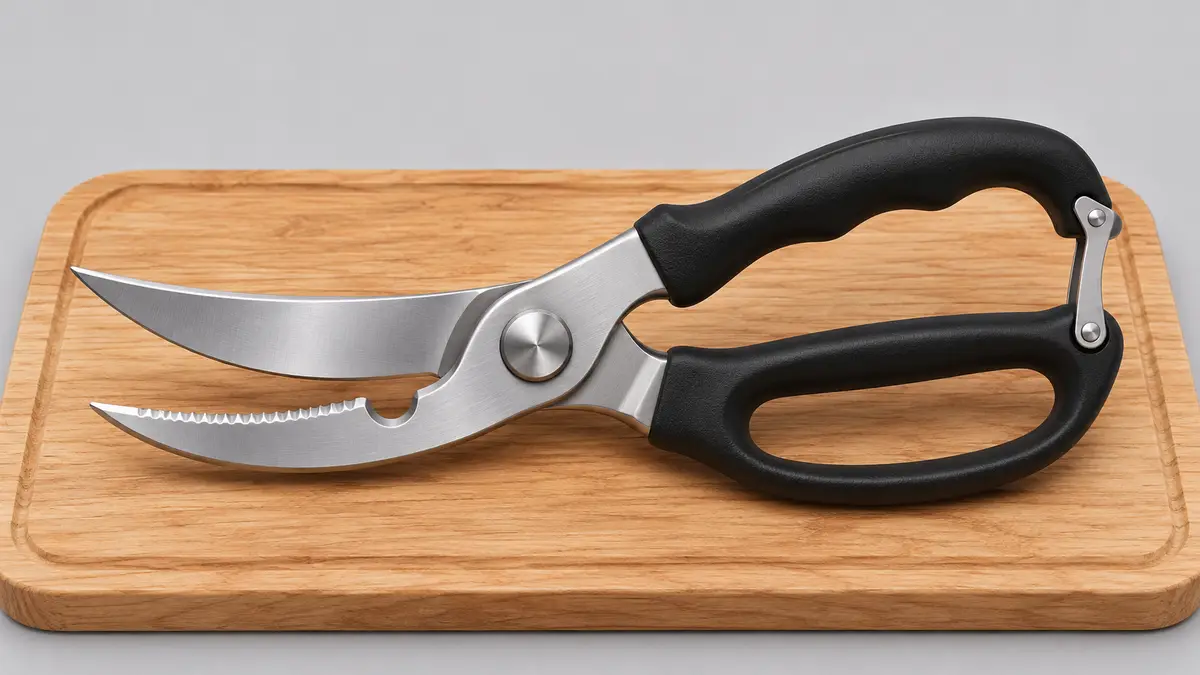
Poultry shears: 0% duty
Read from the UK Trade Tariff on 30 September 2026, commodity code 8213 00 00 00 carried 0% duty for goods from China. Heading 8213 covers scissors, tailors' shears and similar shears, and their blades. The supplied record lists no anti-dumping or countervailing measures, suspensions or attached import controls.
The table shows poultry-shear variants under the same commodity line, rather than separate tariff subdivisions. Confirm the commodity code against the actual design and any accompanying goods before ordering. For the wider heading, see tailors' shears.
| Goods | Commodity code | Duty | Anti-dumping or countervailing duty on China |
|---|---|---|---|
| Poultry shears with fixed handles | 8213 00 00 00 | 0% | None |
Specify bone cutting and cleanability
State whether the shears are intended for poultry skin, joints or bones, and agree a cutting demonstration using representative poultry. Specify blade steel, heat treatment, blade thickness, serrations, pivot construction, handle material and grip when wet. Approve the spring action and storage latch on a physical sample.
Food-contact materials must be safe for their intended use. Ask for material details and supporting food-contact test evidence matching the blades, coatings and any other surfaces expected to touch food. Agree how the pivot is cleaned, whether blades separate, and the washing method before accepting a dishwasher-safe claim.
Assess blade exposure, pinch points, spring release and accidental opening during storage. Agree packaging and handling instructions alongside the approved sample.
Worked duty example
Illustrative example, not a quote: Illustrative order: 1,500 poultry shears under 8213 00 00 00, invoiced at £15,000 free on board, with £1,200 of freight and insurance to the UK. The customs value is £16,200. Duty at 0% is £0. Import VAT at 20% is charged on the customs value plus duty, £16,200, so it is £3,240. With no duty, the only import tax is the VAT, which a VAT-registered importer can usually reclaim. The import duty and VAT guide explains each step.
Inspection checklist
Cutting: check blade alignment and cutting along the working edge on agreed poultry samples; look for slipping, crushing, chipped edges and excessive hand effort.
Pivot and latch: check sideways blade play, handle movement, spring return and secure latch engagement; repeat opening and closing after the cutting test.
Cleaning: dismantle take-apart designs, inspect food traps around the pivot, and wash and dry samples using the claimed method; check rust, retained debris and handle damage.
Arrival: compare materials, finish and branding with the approved sample; check blade protection, latch position, pack damage and carton contents. Use an agreed inspection brief.
Working out your own order? Send us the product on WhatsApp and we reply the same working day: WhatsApp us
What goes wrong
A sample may cut skin cleanly but stall at a joint or bone. Poor blade overlap pushes material aside, soft edges roll, brittle edges chip and loose pivots let the blades separate under load. Define the intended cutting task before approving the sample.
Food can lodge behind moulded grips or inside a pivot that cannot be cleaned properly. Washing can expose rust, loosen handles or weaken the spring, while an unreliable latch leaves blades open in storage. Repeat cutting and latch checks after washing, rather than judging only the unused sample.
Cambridge China Bridge sources these products for UK businesses, checking the factory and the documents before shipment. See factory verification. For repeat volumes, see container programmes.
Frequently asked questions
What is the UK import duty on poultry shears from China?
The supplied tariff record, read on 30 September 2026, gives 0% duty under 8213 00 00 00, with no listed anti-dumping or countervailing measures.
Do poultry shears need food-contact checks?
Yes. Food-contact materials must be safe for their intended use. Ask for evidence matching the actual blades, coatings and other food-contact surfaces, rather than a report for a different model.
How do I check whether poultry shears cut bones?
Agree the intended poultry and cutting task, then test representative samples. Check slipping, edge damage, blade separation and hand effort, including after washing.
Should I choose take-apart poultry shears?
They can make the pivot easier to clean. Check that blades stay connected during cutting, separate deliberately for washing and reassemble securely without excessive play.