Sourcing pickled garlic from China
Pickled garlic preserved in vinegar or acetic acid from China carries 16% UK duty, with the same rate for recipes with and without added sugar. Labels must show drained net weight as well as net quantity. Confirm the preservation method and import controls before ordering. Cambridge China Bridge sources pickled garlic.
Buying from China for a business? How our UK China sourcing agent service works · China sourcing agent for small orders and first imports
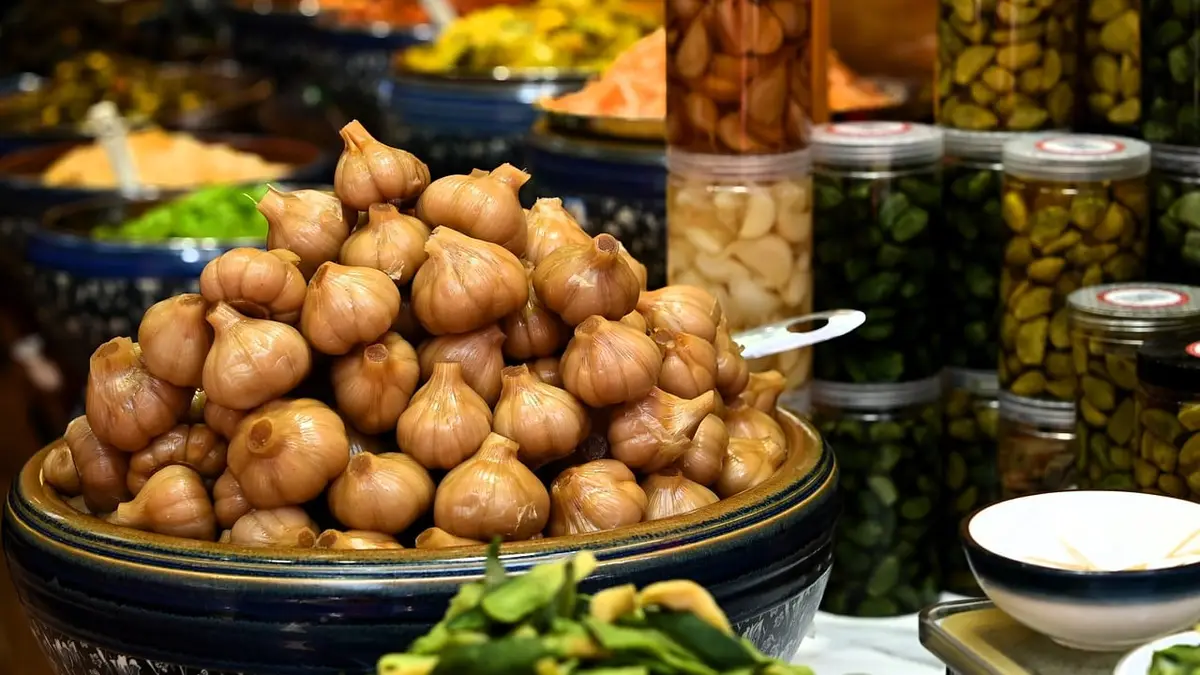
Pickled garlic duty and import controls
Read from the UK Trade Tariff on 30 September 2026, heading 2001 covers edible plant products prepared or preserved by vinegar or acetic acid. For pickled garlic, the relevant other-vegetable lines carry 16% duty, so the rate does not vary between sweetened and unsweetened recipes. The supplied tariff record shows no anti-dumping or countervailing duty and no suspension on these lines.
The UK Trade Tariff attaches veterinary control and organic import control to both lines. Official pickle guidance says a health certificate is not normally needed for products without animal ingredients. Ask your customs broker to confirm the veterinary requirement for the complete recipe. For organic garlic from China, have the broker confirm the certificate of inspection and exporter certification with your approved UK organic control body; the certificate is issued by the exporter's control body.
Confirm the commodity code using the recipe, preservation method and added-sugar status. The table repeats the relevant codes for different garlic cuts, rather than showing separate tariff lines for each cut. Garlic in brine or preserved by another method needs separate classification. See the wider vinegar-preserved vegetables guide.
| Goods | Commodity code | Duty | Anti-dumping or countervailing duty on China |
|---|---|---|---|
| Garlic cloves preserved in vinegar, no added sugar | 2001 90 97 91 | 16% | None |
| Garlic cloves preserved in vinegar, with added sugar | 2001 90 97 99 | 16% | None |
Specify the garlic, vinegar and colour
Specify whole peeled cloves or slices, clove size, trimming, permitted broken pieces, crunch and flavour. Agree whether the finished garlic should be pale or deliberately green, and approve a retained sample. Set the vinegar type, acidity, salt, added sugar, spices and preservatives in writing.
Agree drained weight, liquid fill, jar or pouch construction, closure, storage conditions and shelf life. Ask for process and stability records supporting the proposed acidity and heat treatment. Retail labels must show drained net weight; confirm with the relevant food authority the applicable requirements for the product name, ingredients, emphasised allergens, net quantity, date marking and UK business name and address. Confirm with that authority whether the proposed colours and preservatives are authorised and how they should be declared.
Worked duty example
Illustrative example, not a quote: Illustrative order: 5 tonnes of unsweetened garlic cloves in vinegar, packed in jars under 2001 90 97 91, invoiced at £15,000 free on board, with £1,200 of freight and insurance to the UK. The customs value is £16,200. Duty at 16% is £2,592. Import VAT at 20% is charged on the customs value plus duty, £18,792, so it is £3,758.40. Import taxes total £6,350.40; a VAT-registered importer can usually reclaim the VAT, so the lasting cost is the £2,592 of duty. The import duty and VAT guide explains each step. This assumes the goods are standard-rated for VAT. Most food for human consumption is zero-rated, and animal feed can be too, in which case no import VAT is due, so check the rate for your product in HMRC's VAT Notice 701/14.
Inspection checklist
Garlic: compare colour, clove size, firmness, flavour, skin remnants and broken pieces with the approved sample.
Fill: drain sampled packs and weigh the garlic against the declared drained weight; compare liquid level and headspace with the specification.
Stability and seals: check acidity and process records, closure integrity, leakage, bulging and unexpected gas; arrange laboratory checks against the agreed specification.
Labels and arrival: match ingredients, allergens and batch markings to the recipe and records; inspect cartons for vinegar leakage and jars for cracks. Use the quality inspection guide to brief the inspector.
Working out your own order? Send us the product on WhatsApp and we reply the same working day: WhatsApp us
What goes wrong
A batch can meet the sample's flavour but arrive with too little garlic, excessive broken cloves, soft texture or an unwanted green colour. Agree the colour expectation explicitly rather than treating every colour change as the same defect. Weak seals, unsuitable packing and unstable product can produce leaks, broken jars or gas.
Keep the approved recipe, sample, label artwork and batch records together. Investigate swollen or leaking packs before releasing stock. Confirm with HMRC or your customs broker whether the exact pickled vegetable product qualifies for zero-rated VAT treatment. The UK import duty and VAT guide explains the calculation.
Cambridge China Bridge sources these products for UK businesses, checking the factory and the documents before shipment. See factory verification. For repeat volumes, see container programmes.
Frequently asked questions
What is the UK import duty on pickled garlic from China?
Garlic preserved in vinegar or acetic acid carries 16% under the relevant other-vegetable lines, with or without added sugar. The supplied tariff record shows no anti-dumping or countervailing duty.
Does pickled garlic need a health certificate?
The tariff attaches veterinary control, so have your broker confirm the complete recipe's requirements.
Do pickled garlic labels need drained weight?
Yes. Garlic packed in vinegar must show drained net weight as well as net quantity. Check the actual garlic weight after draining, rather than relying on the filled jar's weight.
What should I check before buying organic pickled garlic?
Ask your broker and approved UK organic control body to confirm the certificate of inspection and exporter certification for the China shipment. The certificate is issued by the exporter's control body.