Sourcing Paper Cup Lids from China
Paper cup lids from China carry 0% UK duty across the supplied candidate lines, with no listed trade remedies. Confirm classification for the lid construction and which food-contact rules apply to its fibres, coatings and adhesives. Test production lids on the intended cups. Cambridge China Bridge sources paper cup lids.
Buying from China for a business? How our UK China sourcing agent service works · China sourcing agent for small orders and first imports
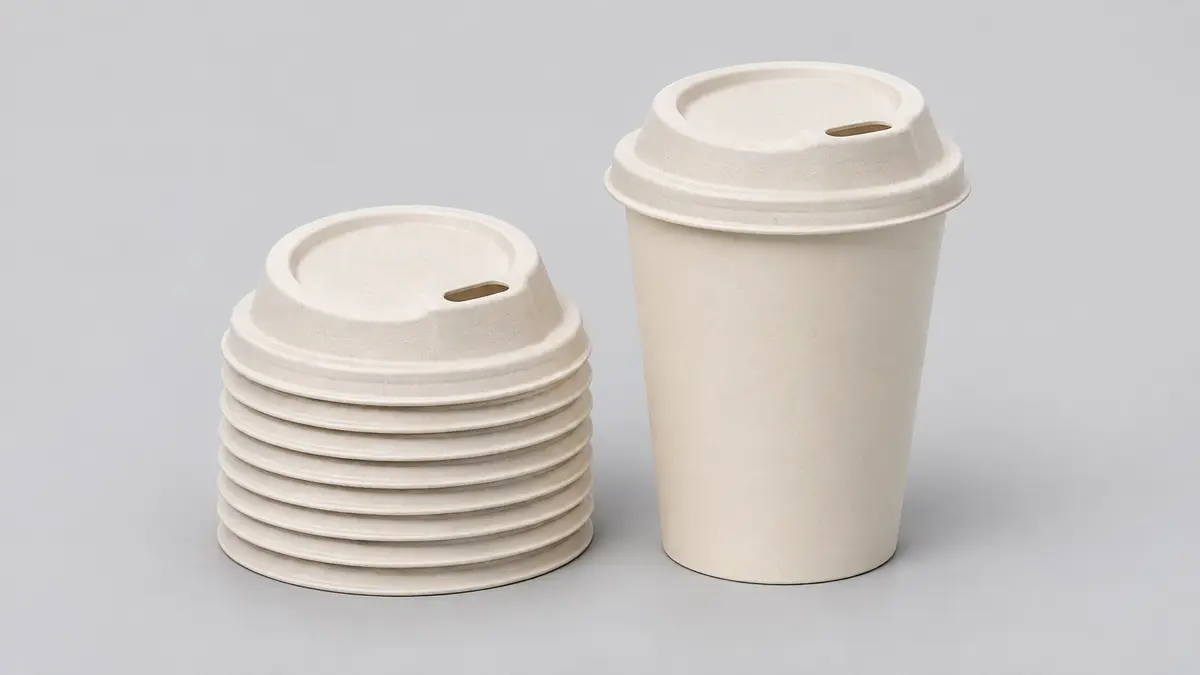
Paper cup lids: duty and classification
Heading 4823 covers shaped paper and paperboard and other paper articles. The table lists candidate categories to discuss with your customs broker, rather than interchangeable lid codes. Establish whether the lid is moulded pulp, formed paperboard or another construction. Bamboo fibre alone does not settle classification. For the wider heading, see branded paper coffee cups.
Read from the UK Trade Tariff on 15 December 2026, all supplied lines carry 0% duty for goods from China, with no listed anti-dumping or countervailing duty or suspensions. Both 4823 90 85 80 and 4823 90 85 20 carry import and export waste controls. These controls apply only to waste. For notified waste imports into England, the exporter applies for consent in the dispatch country. Confirm applicability and requirements with your customs broker.
Confirm the commodity code using a finished lid, material composition, coating details and manufacturing process. Assess separately supplied lids on their own merits. Import VAT is 20%; see UK import duty and VAT.
| Goods | Commodity code | Duty | Anti-dumping or countervailing duty on China |
|---|---|---|---|
| Other moulded or pressed paper-pulp articles | 4823 70 90 00 | 0% | None |
| Other paper articles, residual category | 4823 90 85 80 | 0% | None |
| Other paper or paperboard cups and similar articles | 4823 69 90 00 | 0% | None |
| Bamboo paper or paperboard tableware | 4823 61 00 00 | 0% | None |
Specify the lid against the actual cup rim
Specify the matching cup and rim profile, lid diameter, engagement depth, thickness and dimensional tolerances. Record fibre composition, coatings, wet-strength treatments, inks and adhesives. Define the drinking opening, vent, stacking arrangement and intended hot or cold drinks. Approve samples on cups from your actual supplier, including cups drawn from production.
If you package food yourself, you must use packaging suitable for food use. Confirm with the relevant food safety authority which food-contact rules apply to the finished lid and relevant coatings, inks and adhesives. Request material details and test evidence matching the intended drinks, temperature and contact duration. Arrange review through testing and certification.
Timber regulations cover a broad range of products, including pulp and paper. Ask the relevant timber regulator whether your lids are covered and what due diligence applies before first placing them on the Great Britain market. Obtain the fibre mix, pulp source, species and harvest country, and confirm whether any bamboo-based or recovered-material exemption applies.
Worked duty example
Illustrative example, not a quote: 50,000 moulded paper-pulp cup lids; illustrative only, classification subject to confirmation under 4823 70 90 00, invoiced at £1,000 free on board, with £1,200 of freight and insurance to the UK. The customs value is £2,200. Duty at 0% is £0. Import VAT at 20% is charged on the customs value plus duty, £2,200, so it is £440. With no duty, the only import tax is the VAT, which a VAT-registered importer can usually reclaim. The import duty and VAT guide explains each step.
Inspection checklist
Fit: compare dimensions with the approved drawing; fit production lids to the intended cups and check engagement around the entire rim.
Drink handling: use the intended drink under agreed conditions; check rim seepage, lid lifting, softening, drinking flow and vent function.
Cleanliness: inspect for unusual odour, loose fibres, foreign matter, rough drinking edges and coating damage.
Packing and records: check separation from stacks, crushed rims, damp cartons and pack counts; match material records and test evidence to the delivered batch.
Working out your own order? Send us the product on WhatsApp and we reply the same working day: WhatsApp us
What goes wrong
A lid can fit the sample cup but loosen on production cups with a different rim profile. Heat and moisture can soften the engagement area. A blocked vent can interrupt drinking flow, while a distorted drinking opening can cause drips. Test the finished cup-and-lid combination before shipment.
Tightly nested lids can deform during separation. Changes in pulp, coating or tooling can alter fit and wet strength without an obvious change in appearance. Record the approved specification, agree changes before production and retain arrival samples. A successful handling trial does not replace review of food-contact evidence.
Cambridge China Bridge sources these products for UK businesses, checking the factory and the documents before shipment. See factory verification. For repeat volumes, see container programmes.
Frequently asked questions
What is the UK import duty on paper cup lids from China?
The supplied candidate lines carry 0% duty, with no listed anti-dumping or countervailing duty or suspensions. Confirm the code for the actual lid construction. Import VAT is 20%.
Which commodity code covers moulded paper cup lids?
4823 70 90 00 is a candidate for moulded paper-pulp lids. Give your customs broker a finished sample, fibre composition, coating details and manufacturing process before confirming the code.
What food-contact evidence should I ask for?
Request fibre, coating, ink and adhesive details, plus test evidence matching the finished lid and intended drinks, temperature and contact duration. Have the evidence reviewed before ordering.
How do I check whether paper lids fit my cups?
Test production lids on production cups from your intended supplier. Check rim engagement, hot-drink handling, seepage, lid lifting, vent function and separation from stacks.